How can I tell if my sump pump is on generator power?
Start with the paperwork the installer left behind. You’re looking for a list headed something like “backed-up circuits” or “essential loads.” If your installation includes a separate panel for equipment that runs on generator power, the installer may also have left a circuit directory there. Use the paperwork or a readily visible label. There’s no need to remove a panel cover or operate the transfer switch.
The distinction matters because some installations supply only selected circuits. A refrigerator, heating controls and basement lighting might all have backup power while the sump pump receptacle stays on utility power alone. Other installations supply the main panel and manage which large appliances can run together. The generator’s make and model tell you what equipment you own. The installation record tells you how it was connected in your home.
If the list is missing, the label just says “basement,” or the pump has moved since installation, ask a licensed electrician one specific question: “Can you confirm that the outlet my primary sump pump uses is on standby power and show me where that’s documented?” If you have two pumps, identify which one you mean. Keep the confirmed circuit information with your generator records so the next person looking after the house can find it.
Does the generator have enough power to start the pump?
A sump pump motor briefly draws more power when it starts than it uses once water is flowing. That makes the other equipment running at the same time important. During an outage, for example, the refrigerator may already be running when rising water lifts the pump’s float and calls for the motor to start.
If you’re choosing a generator or replacing a pump, have the pump model number and the list of other equipment you want to keep running handy. A licensed electrician can use the manufacturer’s specifications to account for that starting demand. This is especially worth revisiting if you’ve added a second pump or installed a larger one since the generator was sized. Generac’s standby generator sizing guide explains how starting and running loads differ.
What if the generator starts but I don’t hear the sump pump?
A quiet pump can be perfectly normal. After the generator starts and the transfer switch supplies the backed-up circuits, the pump still waits for water to reach the level that activates its float.
What matters is what happens as water rises. If the high-water alarm sounds or water is spreading across the basement floor, stay out of the water and away from the pump, outlets and electrical panels. A generator can energize equipment even when the neighborhood has lost power. Leave electrical checks to a licensed electrician. If other parts of the home are also without backup power, Energo’s guide to why a standby generator starts but doesn’t power the house covers that broader problem.
How can I confirm the setup before the next storm?
The generator’s routine exercise cycle can sound reassuring from upstairs, but many systems exercise without transferring the house to backup power. At your next service visit, ask whether the test includes a transfer and whether the electrician can verify that the primary pump starts and moves water while the generator is supplying its circuit.
For a Brooklyn or Queens homeowner who bought a house with a generator already installed, that visit is also a chance to find out what changed under the previous owner. A finished basement, a new pump or a relocated outlet can make an old circuit list an unreliable guide. Energo’s backup generator maintenance checklist can help you prepare for the rest of the visit.
Frequently asked questions
Do I need a battery backup sump pump if I have a standby generator?
A separate battery-powered backup pump can be useful if your primary pump fails mechanically or water rises before the generator takes over. How much protection it provides depends on the backup pump’s capacity, the battery’s condition and how quickly water enters the pit.
Can a sump pump be added to an existing standby generator?
Often, yes. A licensed electrician can check whether the existing generator and transfer equipment can support the pump alongside your other backed-up circuits and explain what changes your installation would need.
Will my sump pump run the entire time the generator is on?
Usually it will cycle as the water level rises and falls. The generator supplies electricity to the circuit, while the pump’s float or other level control determines when the motor runs.
Will a standby generator keep my basement from flooding?
A generator can keep a working sump pump supplied with electricity. Water can still enter faster than the pump can remove it, or the pump or discharge line can fail. If your basement takes on water while the pump has power, the drainage system also needs attention.

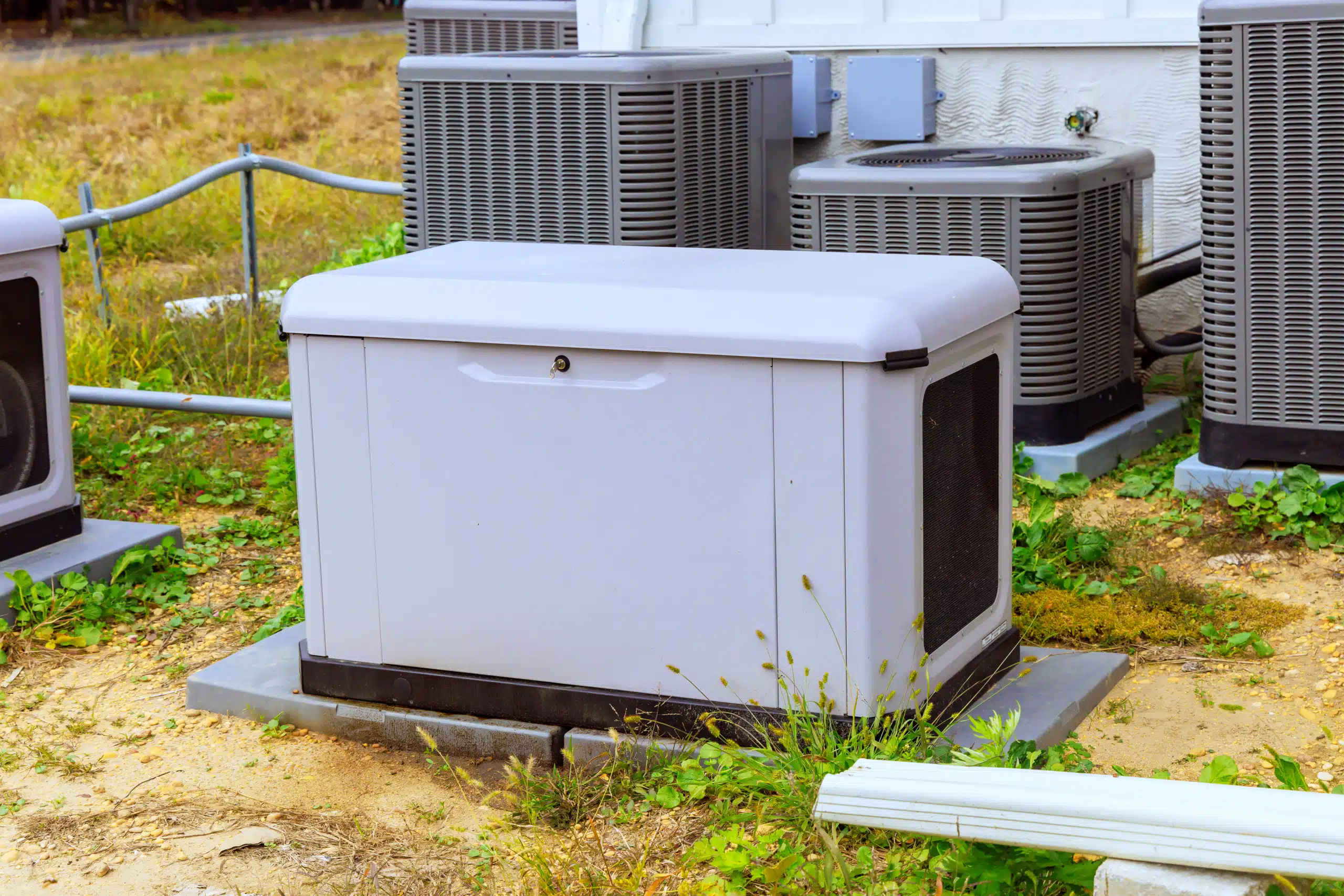






Will My Standby Generator Run My Sump Pump During a Power Outage?
Your generator may bring the lights back while the sump pump stays off. Here’s how to check which circuits have backup power and whether your system can start the pump.
Why Is My Furnace Blowing Cold Air When the Heat Is On?
A furnace that blows cold air at startup can be working normally. Here’s how to tell a brief draft from a fan, airflow or fuel problem that needs attention.