Trusted Energy, for NYC and Beyond.
Energo provides reliable heating oil, expert HVAC service, motor fuels and local law compliance—ensuring efficiency, comfort, and peace of mind.

Energo provides reliable heating oil, expert HVAC service, motor fuels and local law compliance—ensuring efficiency, comfort, and peace of mind.
No matter the need—heat, power, fuel or compliance needs—we’ve got the solutions, technology and team to make it happen.
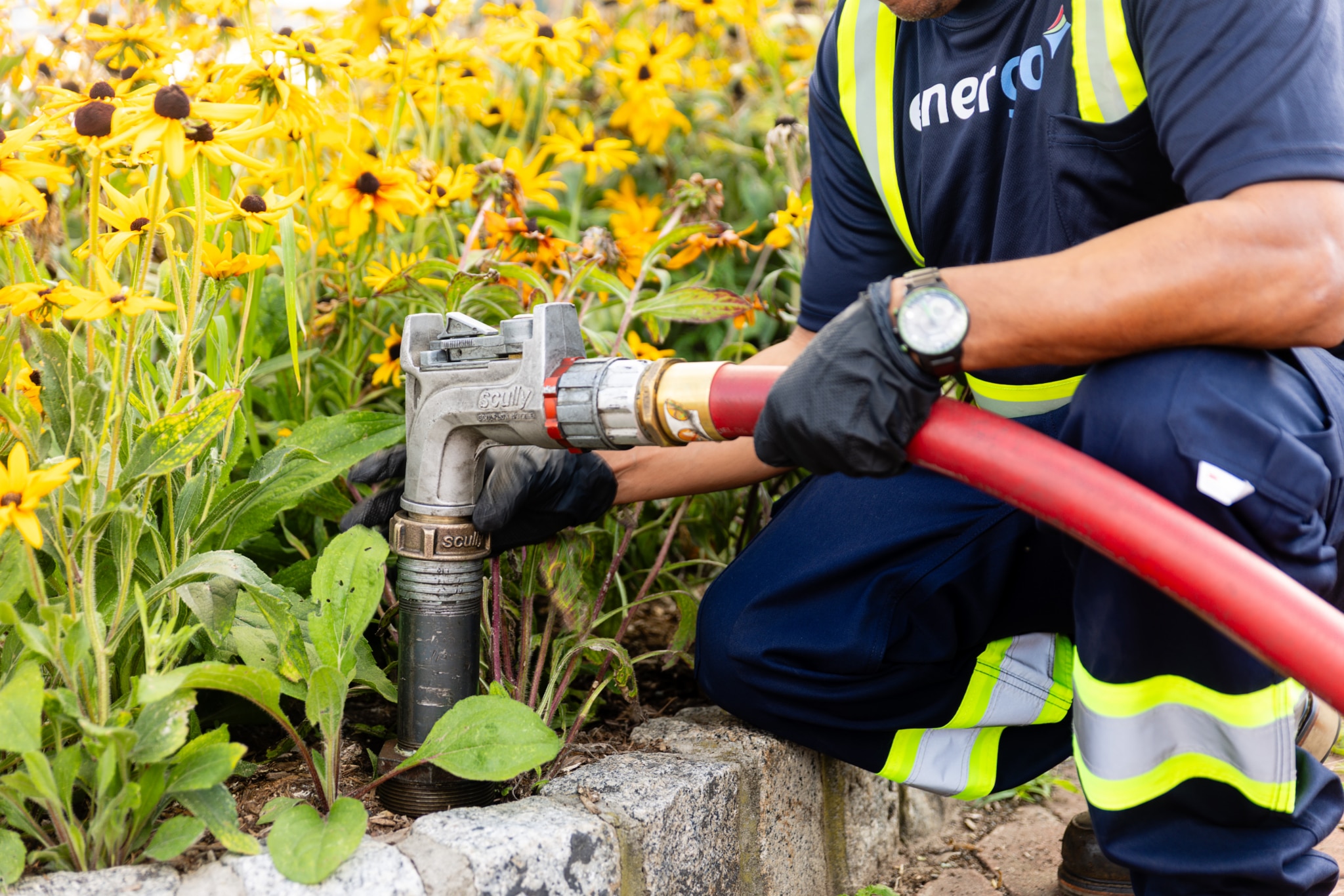
Keep your property warm and winter-ready with heating oil services trusted by homeowners and commercial property managers.
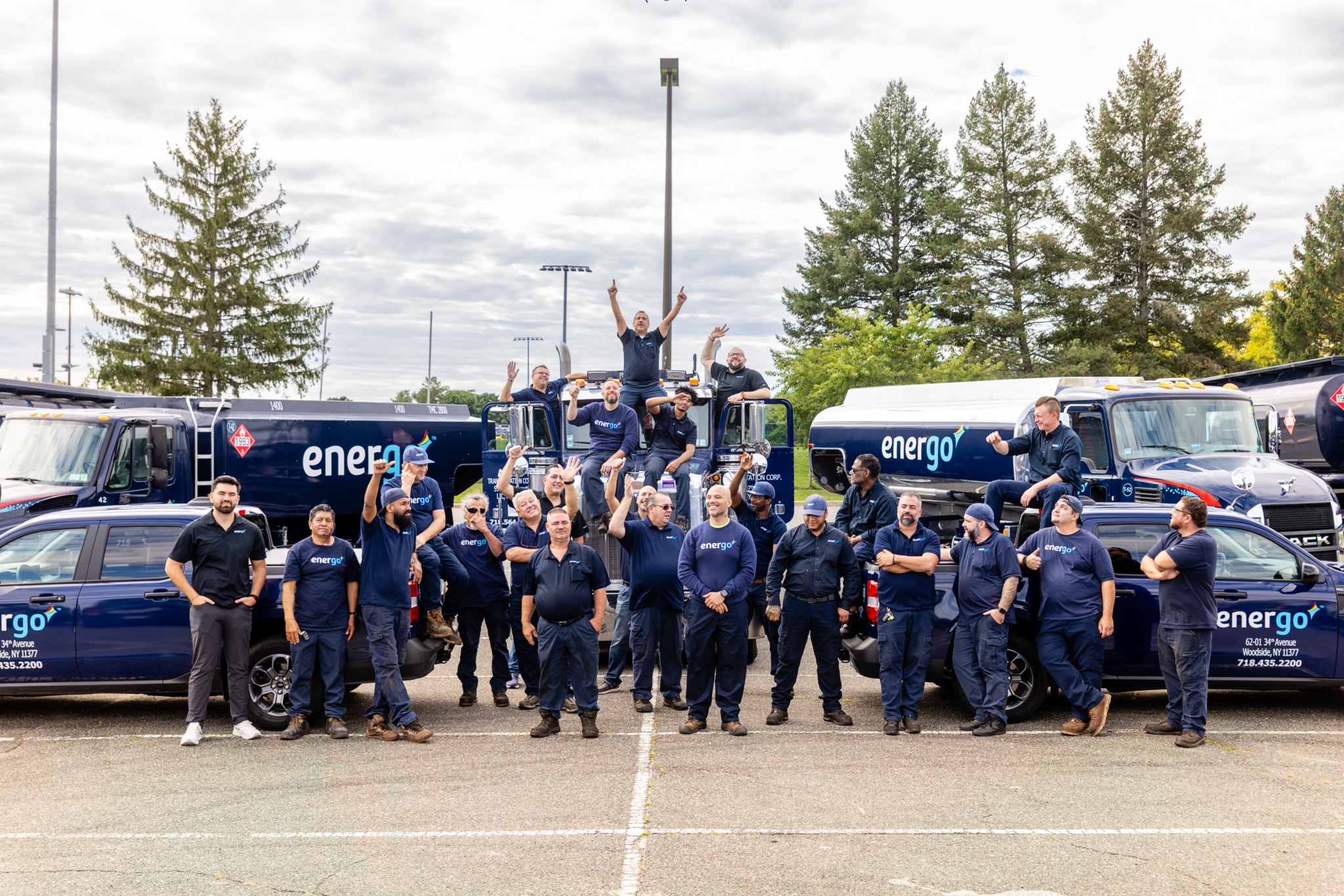
Energo is the trusted energy partner for thousands of NYC homeowners, co-op boards, and property managers. We provide heating oil delivery, HVAC repairs, emergency service, and installations with local law compliance services to keep properties running efficiently year-round.
Our team of energy experts proactively service your energy needs so your home or building stays efficient and your operations stay on track.
Owning a home or managing a building comes with enough challenges—you shouldn’t have to worry about comfort and reliability. That’s why our customers trust us to keep things simple, stress-free, and running smoothly. Don’t just take our word for it, see what our customers have to say.



From uptown to downtown, from Brooklyn’s brownstones to Staten Island warehouses, and throughout nearby service areas, Energo keeps your properties fueled, maintained, and compliant.
With energy savings tips, latest trends and helpful advice, our blog has it all.
Want energy savings tips? How about updates on the latest products and services we offer? Get in the know by signing up to our e-newsletter.




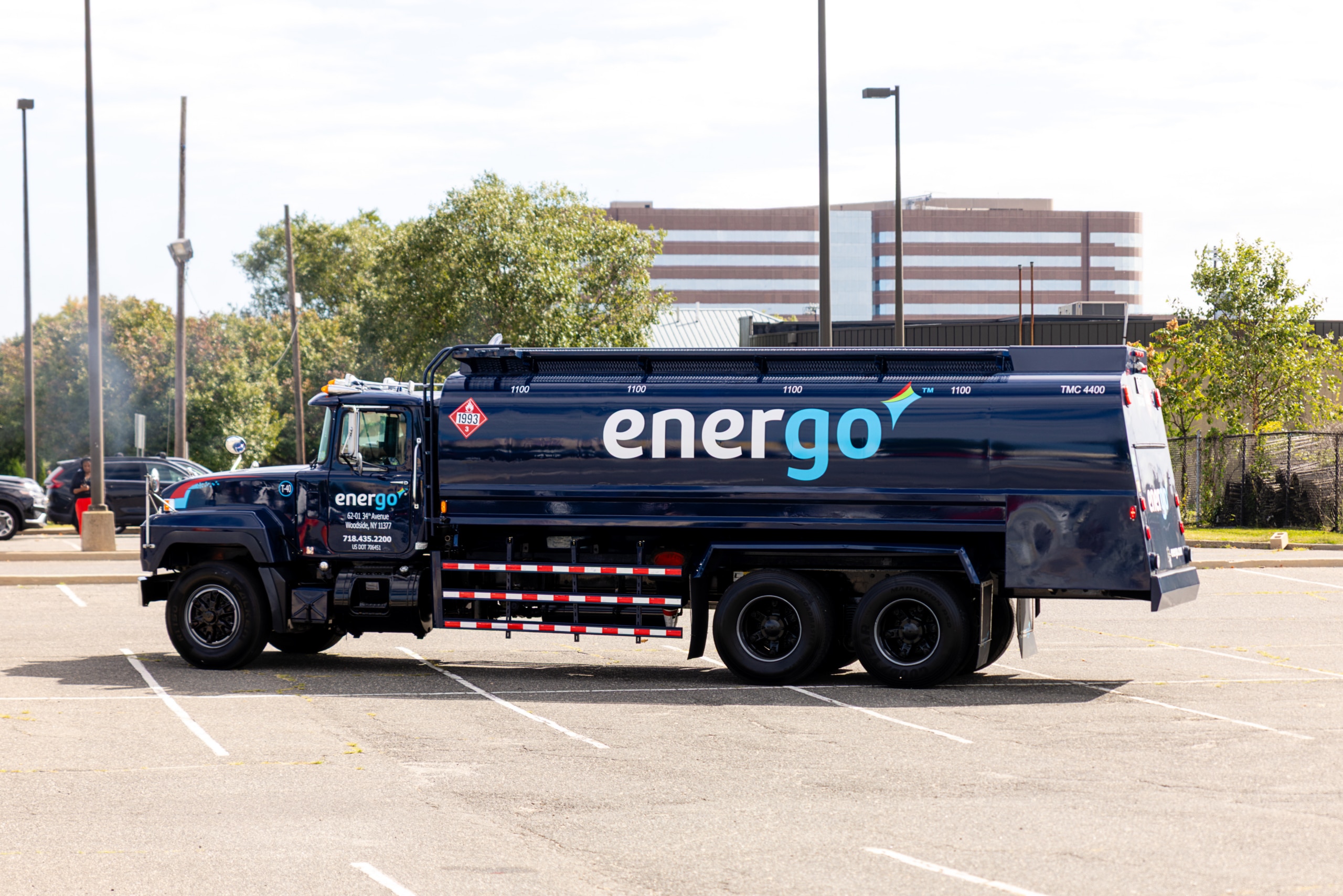



How Long Can a Home Standby Generator Run Continuously During an Outage?
How long will your standby generator keep the house running? Learn what fuel supply, electrical demand and maintenance mean for a long outage—and what to check before the next storm.
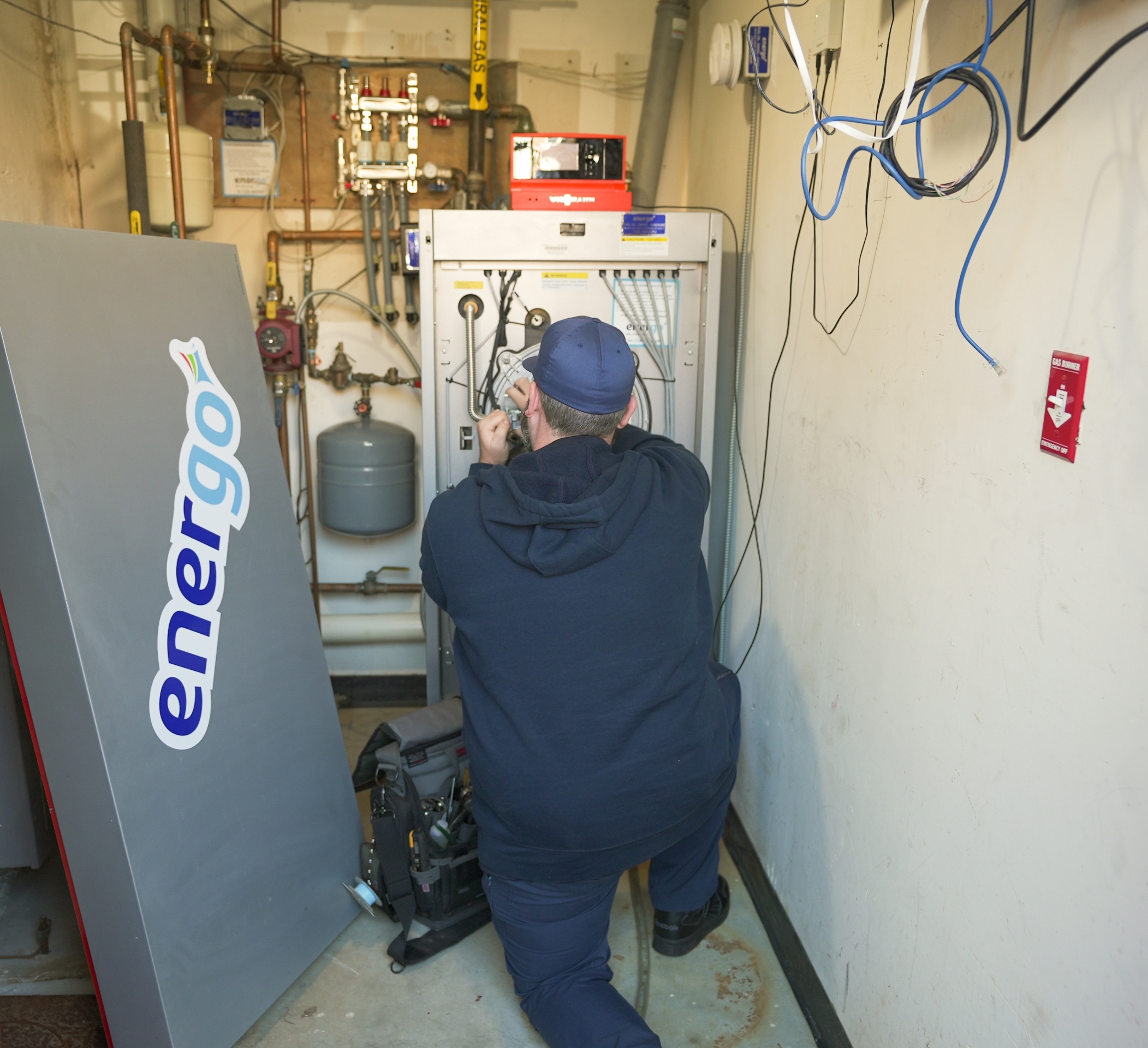
Why Does My Boiler Keep Turning On and Off? Short Cycling Explained
A boiler that repeatedly starts and stops can have several causes, from changing heating demand to thermostat, circulation or control problems. Learn what short cycling means, what you can safely observe and when to request professional help.