Building Management Systems for NYC Commercial Properties.

Energo installs customized Building Management Systems (BMS) that centralize your building’s energy and operational data. Monitor boiler and HVAC performance, lighting controls, indoor conditions, occupancy, water leaks, equipment-level energy use and Local Law 97 reporting through one login. Designed for commercial and multifamily properties across New York City, each system is tailored to your existing infrastructure for better visibility, control, occupant comfort and energy performance.

One platform for every system your building runs.

Energo smart thermostat and energy efficiency controls
Edison bulbs in front of window with city reflections

What Is a Building Management System?

A Building Management System, commonly called a BMS, is a centralized platform that brings a property’s mechanical, electrical, energy and operational data into one dashboard. A BMS can monitor building conditions, analyze equipment performance and send alerts. Depending on how it is configured, it can also automatically adjust connected systems based on real-time readings, occupancy patterns and operating schedules.

Energo configures each system around the building’s equipment and operating priorities, helping property teams identify energy waste, detect issues earlier and make more informed decisions.

What Can Energo’s BMS Monitor and Control?

Energo’s customized Building Management System brings mechanical systems, indoor conditions, energy use and operational data into one centralized dashboard. Depending on your building’s equipment and goals, it can provide continuous monitoring, automated alerts, performance insights and remote control across:

  • Boilers and heating systems: Monitors performance and helps optimize cycling, output and fuel use.
  • HVAC and refrigeration equipment: Compressor monitoring tracks performance and helps identify unusual operating patterns.
  • Lighting controls: Automate schedules and connected lighting settings based on occupancy, operating hours and building needs to reduce unnecessary electricity use.
  • Indoor conditions: Monitor temperature, humidity and indoor air quality throughout the building.
  • Occupancy and space utilization: Understand how zones are being used and adjust schedules or connected systems accordingly.
  • Water leak detection: Receive alerts when connected sensors detect water where it should not be.
  • Equipment-level energy submetering: Track consumption by system, zone, tenant or individual piece of equipment.
  • Building automation integration: Connects with existing building automation and control infrastructure rather than requiring a full system replacement.
  • Hot water systems: Monitor and automate schedules and operating settings to support efficiency.

Each system is configured around the property’s existing equipment, building controls and management priorities. Instead of buying a separate tool for heating optimization, leak detection, submetering and compliance tracking, you get all of it through one BMS. One login, one data model, and one team accountable for how it all works together.

Modern apartment interior with Energo heating and cooling service

How Does a Building Management System Save Energy?

A Building Management System can reduce energy waste by matching equipment operation to actual building demand and identifying inefficient operating patterns. Instead of relying only on fixed schedules or manual adjustments, the system uses real-time equipment, occupancy, indoor-condition and energy-use data to coordinate connected systems.

Boiler monitoring helps optimize cycling, output and fuel use. Compressor monitoring can flag unusual runtime or declining HVAC and refrigeration performance, while occupancy data helps align heating, cooling and lighting schedules with actual use. Equipment-level submetering shows where energy consumption is highest.

Bringing this information into one platform helps building teams respond earlier, prioritize maintenance and make better energy decisions without sacrificing occupant comfort. Actual savings depend on the building’s equipment, operating conditions and system configuration.

How Can a BMS Support NYC Local Law Compliance?

NYC building energy laws require owners and property managers to understand energy consumption, emissions and equipment performance. Energo’s Building Management System brings that information into one platform and can integrate it with Local Law 97 reporting and compliance workflows.

The system can help building teams identify inefficient operating patterns, track the impact of improvements and organize performance data over time. It can also support annual energy and water benchmarking under Local Laws 84 and 133, as well as provide historical operating data for Local Law 87 energy audits and retro-commissioning.

A Building Management System can support compliance, but it does not replace the analysis, filings or corrective work a covered property may require. That is why Energo combines building data with Local Law expertise, HVAC services and energy-efficiency improvements to help owners and property managers identify next steps and develop a coordinated compliance strategy.

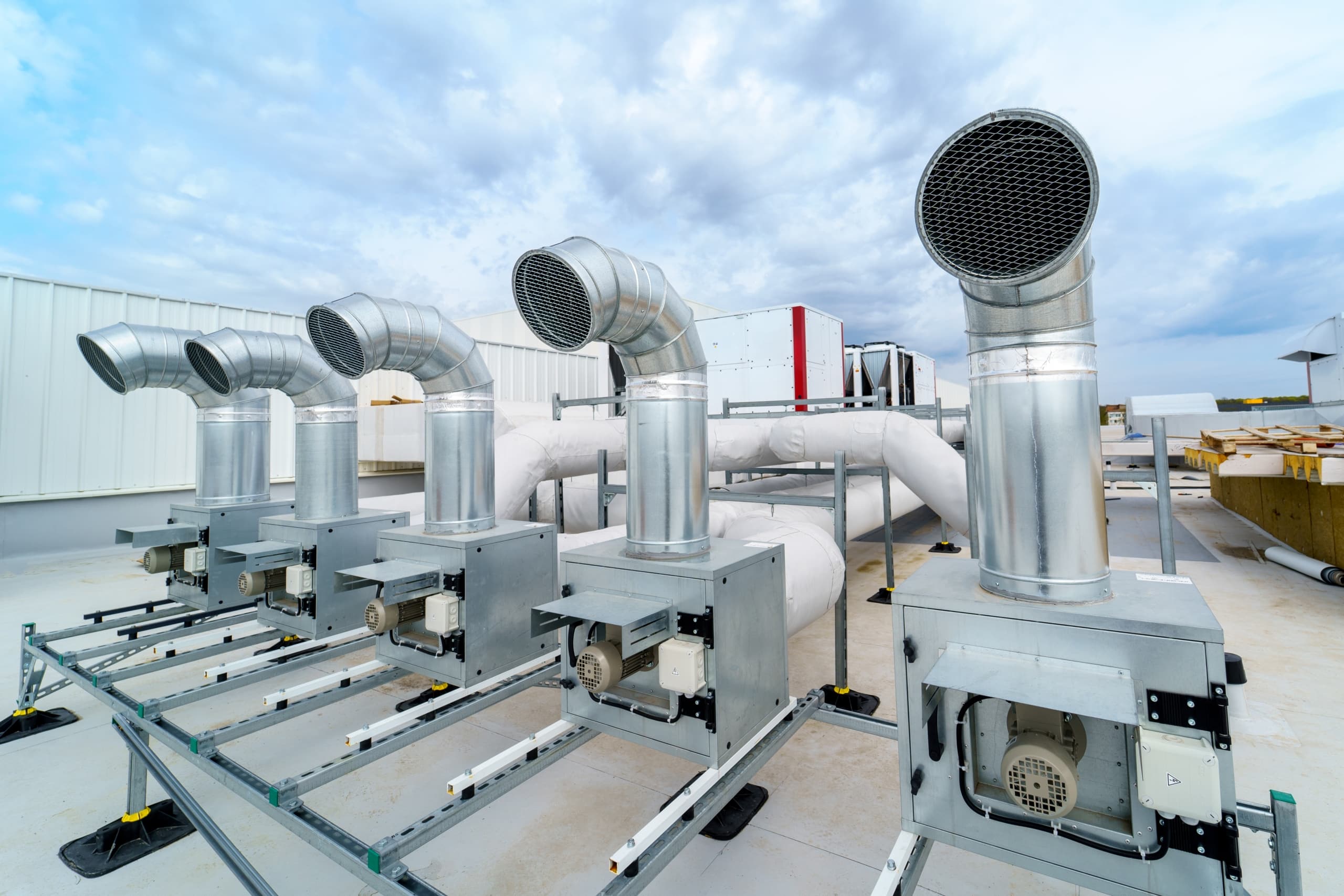
Energo rooftop HVAC system installation in NYC

Why Choose Energo for Building Management Systems?

Many building technology vendors focus only on software and controls. Energo takes a whole-building approach, considering how the platform connects with your mechanical equipment, energy use, existing infrastructure and compliance needs.

Our team includes in-house mechanical engineers, NORA-certified technicians, licensed NYC master plumbers and licensed electricians. Because we understand the equipment behind the data, we can configure the system around how the property actually operates and integrate with existing BMS infrastructure where appropriate.

Energo can also support HVAC and mechanical services, energy-efficiency improvements, energy supply and NYC Local Law compliance. This gives owners and property managers fewer disconnected vendors, clearer accountability and one coordinated operating relationship.

Young couple cooking in modern kitchen with laptop open

Common Questions About Building Management Systems in NYC

What is a Building Management System?

A Building Management System, commonly called a BMS, is a centralized platform that monitors, analyzes and controls connected building equipment and operational data. It can bring heating, cooling, lighting, indoor conditions, water monitoring, occupancy and energy-use information into one interface.

What is the difference between a BMS and a BAS?

The terms Building Management System and Building Automation System are often used interchangeably. A BAS generally emphasizes automated equipment controls, while BMS may be used more broadly to include monitoring, analytics, alerts, energy management and reporting. Energo’s customized systems combine both automated controls and broader building-performance visibility.

What can Energo’s Building Management System monitor?

Depending on the property’s equipment and configuration, the system can monitor boilers, heating systems, HVAC and refrigeration compressors, temperature, humidity, indoor air quality, occupancy, space utilization, water leaks and equipment-level energy consumption. It can also bring Local Law 97 reporting and compliance information into the same platform.

Can a BMS integrate with existing building equipment and controls?

Yes. Energo evaluates the property’s existing boilers, HVAC systems, meters, sensors and building automation infrastructure to determine the best integration approach. In many cases, the platform can connect with existing equipment and controls rather than requiring a complete replacement.

Can building teams manage everything through one login?

Connected building systems and data can be brought into one centralized interface, with one login and a consistent data model across heating, cooling, leak detection, indoor conditions, energy submetering and compliance information.

Does the system provide continuous monitoring and alerts?

Yes. The platform can continuously monitor connected equipment and sensors and generate alerts when operating conditions move outside configured parameters. This can help building teams identify unusual performance, water leaks or indoor-condition issues earlier. Continuous platform monitoring should not be confused with 24/7 field service.

How does a BMS support NYC Local Law 97?

A BMS can help track energy consumption, equipment performance and operating patterns that affect a building’s greenhouse gas emissions. Energo’s system can integrate this information with Local Law 97 reporting and compliance workflows, helping property teams identify inefficiencies, document progress and plan improvements. A BMS is an important compliance tool, but it does not guarantee compliance by itself.

Is a Building Management System only for large buildings?

No. BMS technology is commonly used in large commercial and multifamily properties, but it may also make sense for smaller buildings with significant energy costs, complex equipment or limited on-site management. Energo evaluates each property individually to determine whether the investment is practical.

How long does BMS installation take?

Installation timelines depend on the size of the property, the systems being connected, the number of sensors and meters required, and the condition of the existing controls infrastructure. Energo completes an assessment before installation and develops a project scope based on the building’s specific needs.

Does Energo provide support after installation?

Yes. Energo provides ongoing support for the systems it installs. Continued system review and maintenance help preserve data accuracy, confirm that connected equipment is communicating properly and keep the platform aligned with changing building operations.


Ready to Take Control of Your Building’s Energy?

Energo installs customized Building Management Systems for commercial properties across New York City and Westchester. Contact us to discuss what a BMS could do for your property.