While oil and gas heating systems respond differently during power outages, this article focuses on the practical “what do I do now?” steps NYC-area homeowners and property managers can take to prepare—especially when heating oil systems and generators are involved. We’ll cover heating oil, common heating systems, and realistic reliable generator options—without hype, and without unsafe DIY advice.
Modern Heating Systems: The Key Parts That Stop Without Power
In most NYC homes, losing electricity means losing heat—regardless of whether you burn oil or natural gas. The reason is simple: the equipment that makes heating systems safe and controllable is electric.
Here’s what typically needs power:
-
Thermostat + control board (the “brain” of the system)
-
Ignition system (electronic igniter on many units)
-
Burner motor / blower (oil burners use motors to atomize oil and provide combustion air)
-
Circulator pump (hot water/baseboard systems)
-
Safety controls (low-water cutoff, flame sensor, pressure controls)
Bottom line: If the power goes out, most oil furnaces/boilers and gas furnaces/boilers shut down—even if you have a full tank of No. 2 heating oil or steady gas supply from the street.
Step 1: Know Your System Type (Because Prep Is Different)
Before you plan backup power, identify what you have. In NYC and nearby suburbs like Westchester and Nassau, the most common setups are:
Oil-fired boiler (hot water/baseboard)
-
Needs electricity for burner, controls, and usually the circulator pump
-
Without power: no ignition + no circulation
Oil-fired steam boiler (radiators)
-
Still needs electricity for burner and safety controls
-
Steam distribution can be passive, but you still need the boiler firing
-
Without power: no heat
Gas furnace (forced air)
Gas boiler (hot water/steam)
This is why storm prep is less about “oil vs gas” and more about how to supply safe, limited electricity to critical components.
Step 2: Keep Heating Oil Reliability in Mind Before the Storm
If you heat with oil, you have one major advantage during winter storms: fuel availability at your property. That doesn’t replace electricity—but it does reduce one major risk: supply disruption.
Before a storm:
-
Check your tank gauge early (don’t wait until the day before)
-
If you’re low, schedule heating oil delivery ahead of the weather
-
If you’re on automatic delivery, confirm you’re set up properly (auto-delivery is built to reduce “runout” risk during peak winter demand)
-
If you use Bioheat fuel (a biodiesel blend), reliability is generally comparable for typical NYC winter conditions—but any fuel can become sluggish in extreme cold, especially with outdoor tanks
If you want to be extra practical: aim to avoid heading into a storm with a near-empty tank. A power outage is bad. A power outage + low fuel is worse.
Step 3: Understand What a Generator Can (and Can’t) Do for Heat
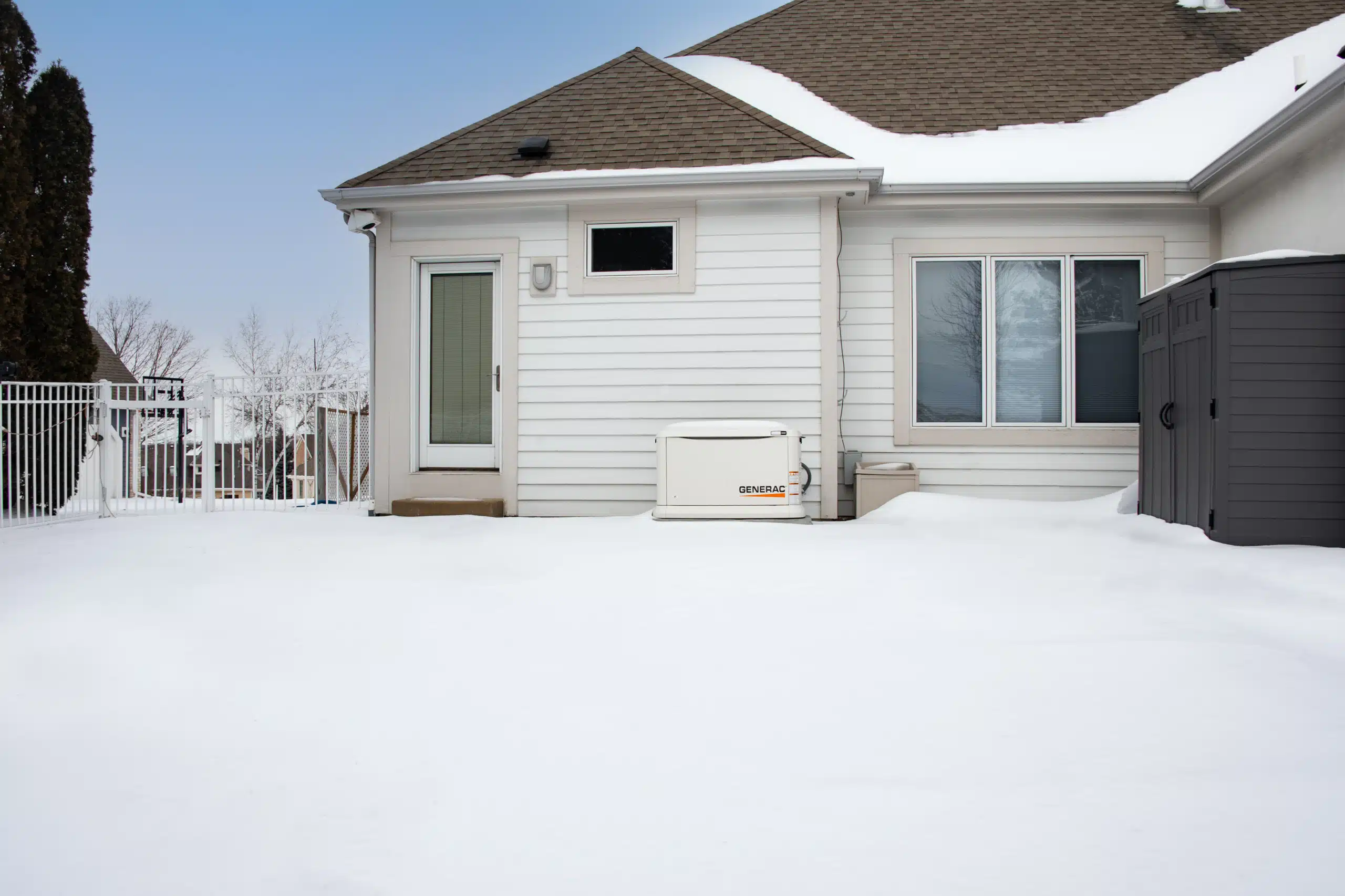
A reliable generator doesn’t need to power your entire home to be useful. In many cases, the goal is simply to provide enough electricity to run:
Portable generator vs standby generator
Portable generator
Standby generator
-
Installed permanently
-
Can turn on automatically (depending on model/setup)
-
Higher cost, but more seamless for longer outages
The most important rule: safe connection
If you want your heating system powered during an outage, the safe way is typically through:
This is not optional. Unsafe backfeeding can endanger utility workers and damage your home’s electrical system. If you’re preparing for storm season, plan ahead with a licensed electrician to evaluate the right approach for your heating equipment.
Step 4: Quick Checklist for NYC Winter Power Outage Prep
Use this as a practical pre-storm checklist—especially if you’re in Brooklyn, Queens, Manhattan, the Bronx, Staten Island, Westchester, or Nassau.
24–48 hours before the storm
-
Confirm your heating oil level and schedule delivery if needed
-
Test your thermostat and confirm the system is cycling normally
-
If you have a generator:
-
Stock essentials that protect the home:
During an outage
-
Keep interior doors closed to retain heat
-
Avoid opening exterior doors frequently
-
If you have backup power, run only the essentials needed for heat
-
If you lose heat for an extended period, focus on freeze prevention:
-
open sink cabinets on exterior walls
-
allow a small drip at vulnerable fixtures if recommended by a professional for your situation
-
know where your main water shutoff is (last-resort damage prevention)
“Can I Run My Oil Boiler/Furnace on a Generator?”
Answer: Often, yes—but only if it’s sized appropriately and connected safely.
Oil heating systems generally don’t require massive wattage compared to entire-home loads, but they do have startup surges and must run safely with controls and pumps. The right setup depends on your system type (hot water vs steam, boiler vs furnace), how it’s wired, and what else you want to power.
If your goal is “keep heat on during outages,” the best next step is an electrical evaluation for:
Safety Notes: What NOT to Use for Heat in a Power Outage
Storm stress leads to risky decisions. A few reminders that matter:
-
Do not use an oven or gas stove to heat your home. Carbon monoxide risk is real.
-
Avoid running portable generators indoors or near open windows/doors.
-
Use only properly rated space heaters and keep them clear of curtains/furniture.
-
If you suspect a gas issue, leave the area and contact your utility provider.
Summing Up: The Smart Way to Stay Warm During Storm Season
Here’s what homeowners should keep in mind when preparing for winter power outages:
-
Heating oil gives you on-site fuel reliability, but not automatic heat without power.
-
Most heating systems stop in an outage because controls, ignition, and pumps/blowers are electric.
-
Generators can keep heat running—but only with the right sizing and a safe, code-compliant connection.
-
The best time to plan is before an upcoming storm, not during it.







How to Read a Heating Oil Tank Gauge: What Full, 3/4, 1/2 and 1/4 Mean
Most traditional heating oil tank gauges show your fuel level as a fraction, usually Full, 3/4, 1/2, 1/4 and Empty. The indicator inside the gauge moves down as your heating oil level falls.
Capped vs. Fixed Heating Oil Pricing: Which Should You Choose?
Capped heating oil pricing sets a maximum price per gallon while allowing you to pay a lower price when the plan’s pricing formula falls below that ceiling. Fixed heating oil pricing locks in one per-gallon rate for the agreed term, even if market prices rise or fall.