A 15- or 20-year-old generator that starts reliably, has been properly maintained and still has readily available replacement parts may have useful life left. A younger system with repeated faults, heavy run time or neglected maintenance may need attention much sooner.
If your generator is getting older, understanding the difference between routine service, a worthwhile repair and eventual replacement can help you make the right decision before you need backup power.
How Long Does a Home Standby Generator Typically Last?
There is no single expiration date for a standby generator.
According to Generac, a well-maintained home standby generator can last 20 years or more, depending on usage, operating conditions and routine maintenance.
That makes 20 years a useful planning benchmark, not an automatic replacement deadline.
Two generators installed in the same year can age very differently. One may run primarily during brief exercise cycles and occasional outages, while another may accumulate substantial run time during frequent or extended power failures.
Maintenance history can create another major difference.
If you are considering a new system, our guide to choosing the right whole-home backup generator in NYC explains how sizing, fuel and installation considerations affect the decision.
Is Generator Lifespan Measured in Years or Running Hours?
Both matter.
Calendar age tells you how long components have been exposed to outdoor conditions, temperature changes, moisture and normal material aging.
Running hours tell you how much actual work the generator’s engine has performed.
Think of it somewhat like a car. Two cars may both be 15 years old, but the one with substantially more mileage has experienced more mechanical use.
A standby generator is similar, although it typically spends much more time waiting than operating.
When evaluating the lifespan of an older generator, consider:
- Generator age
- Total run hours
- Maintenance history
- Frequency and length of outages
- Current operating condition
There is no universal number of operating hours at which every residential standby generator needs to be replaced.
That is why years and run hours should be considered together rather than relying on one number alone.
What Can Shorten the Life of a Standby Generator?
A generator’s lifespan depends heavily on how it has been used, maintained and exposed to the elements throughout its life.
Skipped Maintenance
Routine maintenance is one of the factors homeowners can control.
Oil, filters, batteries and other components require attention according to the schedule for your specific generator. Small issues that go unaddressed can eventually lead to harder starting, increased wear or larger repairs.
If you want a detailed maintenance guide, read How Often Does a Standby Generator Need Service?
Heavy Run Time
A generator that runs through frequent or extended outages accumulates mechanical wear faster than one that rarely needs to provide backup power.
That does not mean running the generator is harmful. It is designed to provide backup electricity.
It simply means two generators of the same age may have experienced very different amounts of actual use.
Harsh Outdoor Conditions
Standby generators spend their lives outdoors, so their environment matters even when they are not running.
Heat, freezing temperatures, moisture, snow, debris and other outdoor conditions can affect components over time.
For homeowners throughout New York City, Westchester and Nassau County, seasonal weather makes regular inspection of an aging generator particularly important.
Corrosion and Physical Deterioration
Some signs of aging are visible.
Rust, corrosion, damaged wiring, deteriorating connections or enclosure damage should not automatically be dismissed as cosmetic, particularly if they begin affecting components involved in starting or safely producing power.
Visible deterioration is a good reason to have an older generator evaluated rather than assuming it is fine because it completed its most recent exercise cycle.
Incorrect Sizing or Changing Electrical Needs
The generator itself is only one part of the backup power system.
A generator that was properly sized when it was installed may no longer be the best fit if the home’s electrical needs have changed significantly.
Energo provides residential generator installation and service, including system sizing and installation for homeowners throughout the NYC area, Westchester and Nassau.
Does Regular Maintenance Make a Standby Generator Last Longer?
Regular maintenance can help protect the generator from unnecessary wear and identify developing issues before they become more serious.
Just as importantly, maintenance provides a history of the generator’s condition.
If a system has been consistently serviced over 15 or 20 years, there is more information available when determining whether it still makes sense to maintain or whether replacement should be considered.
Maintenance does not make a generator last forever.
It gives the equipment the best chance of remaining dependable throughout its useful service life.
For specific service intervals, see our guide to standby generator maintenance.
How Do I Know If My Standby Generator Is Getting Too Old?
Age is a clue. Performance is more important.
One isolated repair does not necessarily mean a generator needs replacement. As a system gets older, however, a pattern of problems may indicate that continuing to repair it is becoming less practical.
Watch for increasingly frequent repairs, repeated failure to complete exercise cycles, difficulty starting, recurring warning lights or fault codes, unusual noise or vibration, significant corrosion, difficulty sourcing replacement parts or inconsistent performance during outages.
If your generator is struggling to start, read Why Won’t My Standby Generator Start? for common causes.
The bigger concern is a pattern of declining reliability.
The purpose of a standby generator is to be ready when utility power is unavailable. If you are increasingly unsure whether the generator will work when needed, that reliability issue deserves attention regardless of its exact age.
Should I Service, Repair or Replace My Standby Generator?
The right answer depends on the condition of the generator and what is actually wrong with it.
| What You’re Seeing |
What to Consider |
| Generator works reliably but is due for maintenance |
Service it |
| One repair is needed and parts are readily available |
Repair may make sense |
| Generator repeatedly fails or needs frequent repairs |
Evaluate replacement |
| Major components are deteriorating or parts are difficult to obtain |
Replacement may be more practical |
| Your home’s power needs have changed substantially |
Reevaluate generator size and capacity |
| Older generator is well maintained and performing properly |
Age alone may not justify replacement |
There is no responsible universal rule such as “replace every standby generator at 15 years.”
A professional evaluation should consider the generator’s condition, age, run hours, maintenance history, repair needs and ability to continue supporting the home reliably.
Does a 15-Year-Old Standby Generator Need to Be Replaced?
Not necessarily.
If a 15-year-old generator has been properly maintained, starts consistently, operates normally during testing and has no significant mechanical or electrical problems, replacing it simply because of its age may be premature.
Fifteen years is, however, a reasonable point to pay closer attention to the overall condition of the system.
Consider whether repairs are becoming more frequent, replacement parts are still readily available, corrosion is becoming significant and the generator still handles everything you expect it to power.
Your home may also have changed since the generator was installed.
If you have added new heating or cooling equipment, major appliances or other high-demand electrical systems, the original generator may no longer match your current backup power needs.
Does a 20-Year-Old Generator Need to Be Replaced?
Again, not automatically.
Generac says a properly maintained home standby generator can last 20 years or more.
Once a generator reaches that age, though, it makes sense to evaluate the whole system rather than asking only whether the engine still starts.
Consider its reliability, maintenance history, repair frequency, availability of replacement parts, physical condition and ability to support your current electrical needs.
A generator that performs well in each of those areas may continue serving the home.
A system that is increasingly unreliable, difficult to repair or no longer properly sized may be approaching the point where replacement makes more sense.
Is It Better to Replace a Generator Before It Completely Fails?
Sometimes.
Waiting until complete failure may seem economical because you are getting every possible year from the equipment.
The downside is that generator failure matters most when the utility power is already unavailable.
If an older generator is showing repeated warning signs, planning its replacement ahead of time gives you more control over the process.
You can evaluate your current power needs, determine what you want the next system to support and plan the installation without an outage forcing the decision.
If the generator remains reliable and there are no significant concerns, there may be little reason to replace it simply because of age.
The goal is not to replace a generator early. It is to avoid discovering too late that an aging generator can no longer be trusted.
Should I Replace My Generator If My Home’s Power Needs Have Changed?
Possibly.
A standby generator is sized around the electrical loads it is expected to support.
If your home has changed substantially since the generator was originally installed, the existing system may no longer be the right fit even if it is mechanically healthy.
Changes might include new central air conditioning, additional heating or cooling equipment, major appliances, pumps, renovated living areas or other higher-demand electrical systems.
Do not automatically assume that a replacement generator should be the same size as the existing one.
If replacement becomes necessary, a new load assessment gives you an opportunity to determine what you actually want backed up today.
For more information, read our guide to choosing the right whole-home backup generator.
What Should NYC-Area Homeowners Watch for as Their Generator Ages?
For homeowners in Brooklyn, Queens, Manhattan, the Bronx, Staten Island, Westchester and Nassau County, the fundamentals are the same: maintenance, condition and reliability matter more than the age printed on the equipment.
New York’s changing seasons make it especially useful to check an older generator before periods when you may depend on it most.
Pay attention to whether the generator completes its regular exercise cycle, watch for warning indicators or visible deterioration and keep manufacturer-recommended maintenance current.
Before severe weather, you can also use our backup generator checklist for New York homeowners.
An older generator does not automatically mean an unreliable generator.
An older generator that has stopped being predictable is a different story.
How Long Do Generac Standby Generators Last?
Generac says a well-maintained home standby generator can last 20 years or more, depending on usage, operating conditions and routine maintenance.
That is more useful than assuming every system will reach the same exact lifespan.
Actual run time, service history and outdoor conditions can produce very different results from one generator to another.
Energo provides residential generator sales, installation and service for homeowners throughout New York City, Westchester and Nassau County.
Frequently Asked Questions About Standby Generator Lifespan
How long does a standby generator last?
A well-maintained home standby generator can last 20 years or more. Actual lifespan depends on run hours, maintenance history, operating conditions and the condition of the generator as it ages.
How many hours does a standby generator last?
There is no single operating-hour limit that applies to every home standby generator. The specific model, maintenance history, usage and operating conditions all affect its useful life.
Is 20 years old for a standby generator?
Twenty years is a meaningful age for a standby generator, but it is not an automatic expiration date. A well-maintained 20-year-old system may still be reliable. Its condition, repair history, run hours, parts availability and ability to meet your home’s needs should guide the decision.
When should I replace my standby generator?
Consider having replacement evaluated when repairs become frequent, reliability declines, important parts become difficult to source, corrosion or physical deterioration is significant, or the generator can no longer support your home’s backup power needs.
Can maintenance extend the life of a generator?
Routine maintenance can reduce unnecessary wear, identify developing problems and give a standby generator the best chance of reaching its expected service life. Follow the maintenance schedule for your specific model.
Should I repair or replace an older generator?
A single repair on an otherwise dependable generator may make sense. Replacement deserves stronger consideration when problems become recurring, major repairs are needed, parts are difficult to obtain or the system no longer reliably serves the home.
How often should a standby generator be serviced?
Service intervals depend on the specific generator and its operating hours. Follow the manufacturer’s schedule for your model. For a detailed homeowner guide, read How Often Does a Standby Generator Need Service?
Keep Your Home’s Backup Power Dependable
A standby generator does not need to be replaced simply because it reaches a certain birthday.
What matters is whether it is still prepared to do its job.
If your generator is aging, needs repeated repairs or no longer gives you confidence before an outage, Energo can evaluate the system and help determine whether service, repair or replacement makes the most sense.
Energo sells, installs and services residential standby generators for homeowners throughout New York City, Westchester and Nassau County.
Call Energo at 888-378-9898 to discuss generator service or replacement.

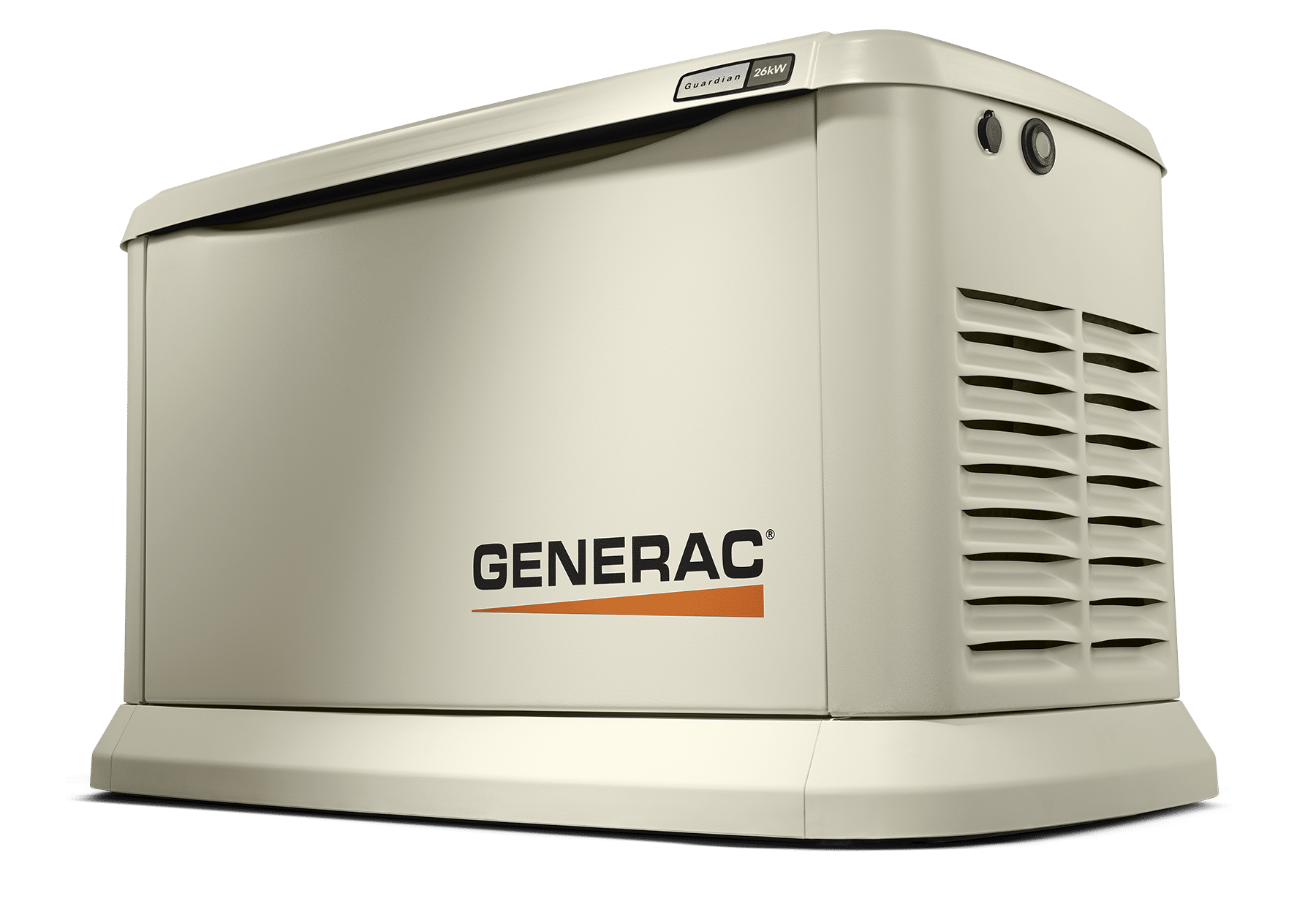




How Long Does a Standby Generator Last? When to Service or Replace It
Quick answer: A well-maintained home standby generator can last 20 years or more, but age alone does not determine when it should be replaced. Run hours, maintenance history, operating conditions, corrosion, repair frequency and whether the generator still meets your home’s backup power needs all matter.
What Does Non-Firm Gas Non-Compliance Actually Cost?
If your building runs on natural gas in New York City, you may be on a non-firm (interruptible) service agreement — and if so, October 1 is a hard compliance deadline you cannot afford to miss.