Can One Apartment Install Its Own Rooftop Solar Panels?
Usually not on a shared apartment-building roof. The roof is commonly owned or controlled by the building, condominium association or cooperative corporation rather than an individual resident.
There can be exceptions. A condominium declaration may assign particular roof rights, or a small multifamily property may be owned by one person who can initiate a building-level project. Even then, structural, electrical, permitting, fire-access and utility requirements still apply. Building documents and qualified legal or design professionals should be consulted before assuming that a resident has the right to use a particular roof area.
If You Rent Your Apartment
A renter generally needs the property owner’s written approval for anything attached to the roof, facade, balcony or building electrical system. A tenant should not mount panels or connect solar equipment to building wiring without permission and a professional review.
If You Own a Condo
A condominium roof is often a common element governed by the condo association. The declaration, bylaws and any alteration rules determine the approval process. A project that affects a common roof, building structure or shared electrical equipment will ordinarily require board involvement even if one owner hopes to use the electricity.
If You Live in a Co-op
In a cooperative, the corporation owns the building. A shareholder generally cannot authorize a rooftop solar installation independently. The co-op board would need to evaluate the project, determine how it benefits the building and approve the required design, contracting and filing work.
Can an NYC Condo or Co-op Install a Building-Wide Solar System?
Yes. A condominium association or co-op can pursue solar on a suitable shared roof. A building-level system may be designed to serve common-area electricity needs such as hallway lighting, elevators, laundry rooms, pumps or mechanical equipment. The proposed design and meter configuration determine how the electricity can be used.
Boards and property managers considering a shared project can review Energo’s commercial solar for NYC buildings. Owners of smaller residential properties can also explore Energo’s residential solar services.
A board should establish who will own the system, which meter it will serve, how contracts will be approved and who will manage the equipment over time. Tax, accounting and incentive questions should be reviewed with the building’s financial and legal advisers rather than assumed during the initial feasibility discussion.
What Must Be Checked Before Apartment-Building Solar Can Move Forward?
A solar assessment should start with the building rather than a predetermined number of panels. The following issues can determine whether the project is practical.
1. Roof Control and Building Approval
The owner or board must confirm who controls the roof and which approval procedures apply. Condo declarations, co-op governing documents, leases, alteration agreements and existing roof contracts may all be relevant.
2. Roof Condition and Remaining Service Life
Installing an array on a roof that may soon need major work can create avoidable removal and reinstallation costs. The roof should be checked for leaks, damaged materials, drainage problems and other conditions before the solar layout is finalized.
Building owners with an older roof can learn more about whether it is possible to install solar on an older NYC roof.
3. Structural Capacity
The evaluation must account for the panels, racking or ballast, wind and snow loads, and the way those forces are transferred to the building. A qualified design professional may need to review the existing structure before the project proceeds.
4. Usable Roof Area
Mechanical equipment, bulkheads, parapets, shading and required access routes can reduce the area available for panels. NYC fire and building requirements may also affect clear paths, rooftop access and equipment placement.
5. Electrical Infrastructure and Metering
The building’s electrical service, panels, wiring and meter configuration must be reviewed. The best connection for a one-family home may not be appropriate for a condo, co-op or rental building with common-area and individual-unit meters.
Solar electrical work must be included in the project’s permit and inspection process. NYC DOB states that solar filings require an associated electrical filing by a licensed electrician.
6. Permits and Utility Interconnection
Solar equipment connected to a building requires more than board approval. The project may involve a registered design professional, NYC Department of Buildings filings, electrical permits, inspections and utility interconnection review. The system should not be operated until the applicable approvals are complete.
The NYC Department of Buildings provides current solar project requirements for design professionals.
Do Local Laws 92 and 94 Require Solar on Every NYC Apartment Building?
No. Local Laws 92 and 94 do not require every existing apartment building to add solar simply because it has a flat roof.
NYC’s sustainable-roofing requirements apply to specified project types, including new buildings, new roofs created through building enlargement, and existing buildings where the entire existing roof deck or roof assembly is being replaced. The sustainable roofing zone may use solar, a green roof or an eligible combination, subject to applicable exclusions and project requirements.
A limited repair is not automatically the same as complete replacement of the roof deck or assembly. Owners planning major roof work should determine the actual construction scope early. Energo’s guide explains whether Local Law 92/94 applies to your roof project.
What About Solar Panels for an Apartment Window or Balcony?
Small products marketed for windows or balconies are not the same as a permitted rooftop photovoltaic system designed for a building. Attaching equipment to a facade, railing, fire escape, window or balcony may conflict with a lease, condo or co-op rules, exterior-appearance restrictions, structural limitations or safety requirements.
Equipment that connects to a building’s electrical system also raises electrical-code and interconnection questions. Apartment residents should not mount or connect this equipment without written building approval and an evaluation by appropriately qualified professionals.
Is Community Solar an Alternative for Apartment Residents?
It can be. A resident who pays an electric bill may be able to participate in a community solar project without installing panels on the apartment building. Availability, subscription terms, bill-credit arrangements and cancellation provisions vary by project.
NYSERDA provides information about community solar in New York. Residents should review the provider, contract, expected credits, fees and cancellation terms before enrolling.
Community solar is different from installing a building-owned system. A condo or co-op interested in using its own roof still needs a property-specific feasibility, approval and design process.
Does Battery Storage Change the Approval Process?
Battery storage should be evaluated as a separate part of the project. The system’s location, capacity, ventilation, fire-safety requirements, electrical configuration and intended loads all matter. Solar panels alone do not automatically provide backup electricity during a utility outage.
If backup power is a goal, the project team should identify the circuits that need to operate and determine whether the proposed battery and controls are designed to support them.
What Should a Condo, Co-op or Building Owner Do First?
Start with a building-level feasibility discussion before seeking resident votes or committing to equipment. A practical first review should:
- Confirm roof ownership and the required approval process.
- Gather recent roof, structural and electrical records.
- Review common-area electric usage and meter information.
- Assess roof condition, shading, usable space and required access routes.
- Identify design, permitting and utility-interconnection requirements.
- Develop a project scope that the board or owner can evaluate.
These steps apply across Manhattan, Brooklyn, Queens, the Bronx and Staten Island. Similar ownership, roof and electrical questions also arise in Westchester and Nassau County, although NYC-specific local laws and DOB procedures do not automatically apply outside the five boroughs.
Talk to Energo About Solar for Your Building
A shared roof does not automatically rule out solar, but it usually turns the project into a building decision rather than an individual apartment upgrade.
Energo can help homeowners, building owners, property managers, condo associations and co-op boards evaluate roof conditions, electrical requirements, system design, permitting and utility coordination. Solar services are available through Aegean Energy, a licensed subsidiary of Energo.
Contact Energo or call 888-378-9898 to discuss your property and the next steps.
Frequently Asked Questions
Can I put solar panels on my NYC apartment?
An individual resident usually cannot install rooftop panels independently when the roof is shared. The building owner, condo association or co-op board generally needs to approve and lead the project. Roof rights, building rules, permits and electrical requirements must also be reviewed.
Can a condo owner install solar panels on a shared roof?
Possibly, but the condo declaration and bylaws determine who controls the roof. A project affecting a common roof, structure or electrical equipment normally requires association approval and a building-level design and permitting process.
Can a co-op building install rooftop solar?
Yes, if the roof and building systems are suitable and the co-op approves the project. The system may be designed to serve common-area electricity needs, depending on its electrical connection and meter configuration.
Do solar panels require an NYC permit?
Building-connected solar installations generally require NYC Department of Buildings filings, an associated electrical filing, inspections and utility interconnection approval. The project requirements depend on the building and proposed design.
Does Local Law 92/94 require solar on every apartment building?
No. The requirements apply to specified project types, including new buildings, roofs created through enlargement and existing buildings replacing an entire roof deck or roof assembly. Applicable projects may use solar, a green roof or an eligible combination.
Can a renter use balcony or window solar panels?
A renter should not attach or connect solar equipment without written permission from the property owner. Building rules, structural conditions, exterior restrictions, electrical requirements and safety considerations may affect whether a product can be used.

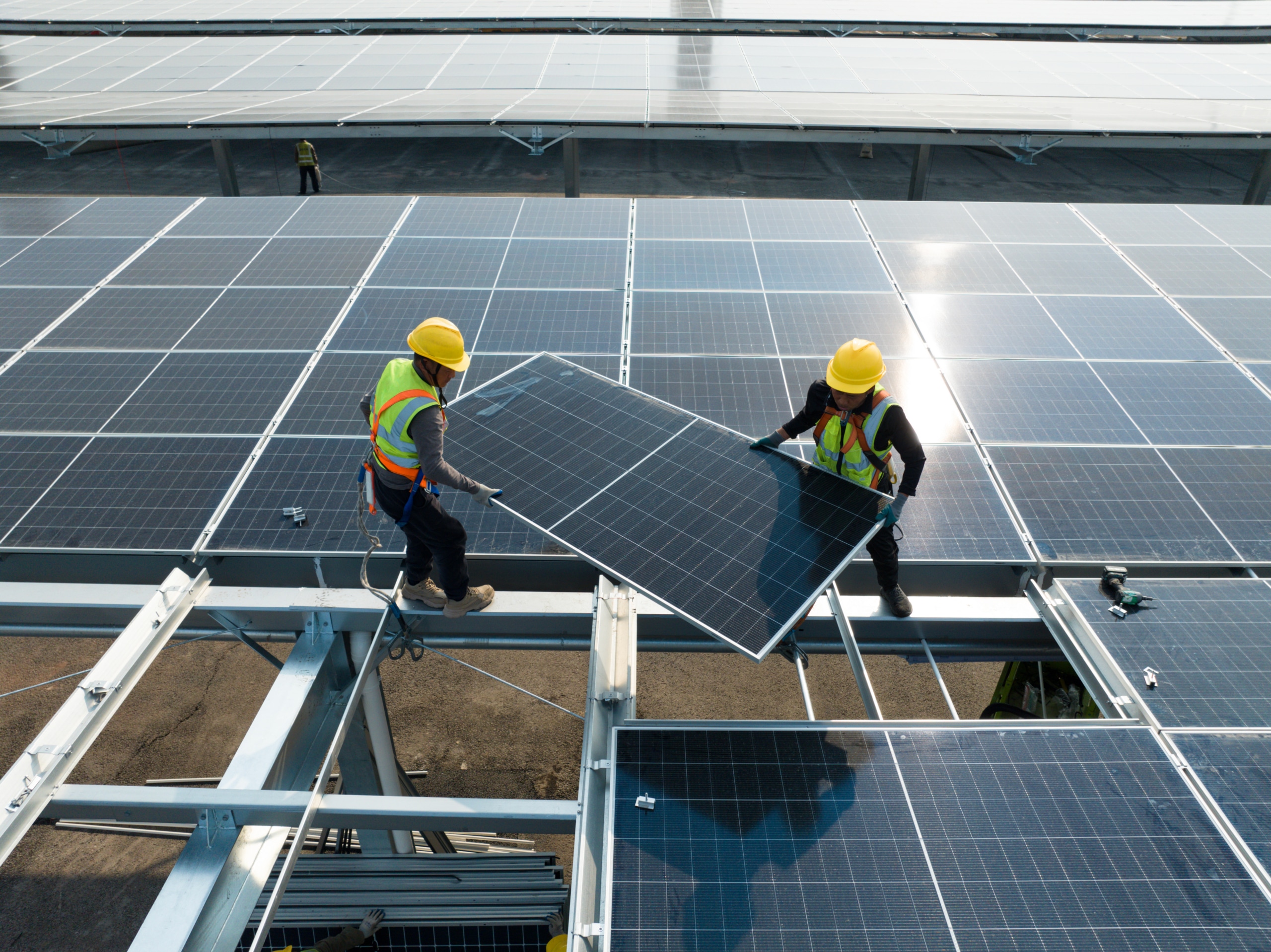






Can You Install Solar Panels on an NYC Apartment or Condo?
Solar panels may be possible for an NYC apartment, condo or co-op, but an individual resident usually cannot claim part of a shared roof and install a system independently. The building owner, condo association or co-op board generally needs to approve and lead the project.
How to Read a Heating Oil Tank Gauge: What Full, 3/4, 1/2 and 1/4 Mean
Most traditional heating oil tank gauges show your fuel level as a fraction, usually Full, 3/4, 1/2, 1/4 and Empty. The indicator inside the gauge moves down as your heating oil level falls.