Safety first: If you smell gas, leave immediately without operating electrical switches or appliances or using a phone indoors. Call 911 from a safe location. If a carbon monoxide alarm sounds, get everyone outside and call 911. Do not stay inside to investigate the boiler.
What Is Boiler Short Cycling?
Short cycling describes repeated, brief burner runs rather than sustained operation that suits the heating demand. Some cycling is expected. A burner can stop when the thermostat is satisfied or a boiler control reaches its operating limit, then restart when conditions call for heat again.
There is no single number of minutes that defines a normal cycle for every boiler. Equipment design, outdoor temperature, system controls and the amount of heat being used all matter. A new pattern of frequent starts, especially with uneven heat or failure to reach the thermostat setting, deserves attention.
Also distinguish the boiler from its burner. On a hot-water system, a circulator pump may keep moving water after the burner stops. Pump noise does not necessarily mean the burner is firing.
Why Does My Boiler Keep Turning On and Off?
The Thermostat Is Ending the Call for Heat
A thermostat near a heat source or draft may not reflect conditions throughout the home. An unsuitable thermostat configuration can also affect cycling. Weil-McLain’s homeowner guidance identifies thermostat location and adjustment among possible causes of rapid cycling.
Note whether the behavior began after a thermostat replacement or schedule change. Check the displayed room temperature and target setting, but leave installer settings and wiring to a qualified professional.
The Boiler Produces More Heat Than the System Currently Needs
A hot-water boiler sized for very cold weather may have much less work to do on a mild fall day. An oversized boiler can reach its operating target quickly and shut off. In a zoned hot-water system, a similar mismatch can occur when only a small zone needs heat.
The relationship between capacity and demand matters more than the boiler’s age alone. On compatible hot-water systems, professionally configured outdoor reset control can adjust supply-water temperature as outdoor conditions change. It is not a universal fix or a homeowner adjustment.
Hot Water Is Not Moving Through the System Properly
In a hot-water heating system, restricted flow can keep heat from moving away from the boiler effectively. Possible causes include a circulator problem, trapped air, a malfunctioning zone valve or a blockage. The boiler may reach its temperature limit while rooms still need heat.
Hydronic-equipment manufacturer Caleffi lists insufficient flow and inadequate heat dissipation among short-cycling causes. If the burner runs but rooms stay cold, our guide to a boiler running with cold radiators covers that related symptom. Do not assume a pump or valve needs replacement without diagnosis.
Operating Controls Need to Be Checked
Boiler controls determine when the burner starts and stops. On hot-water systems, a temperature-control setting or an overly narrow difference between stop and restart temperatures can contribute to frequent cycling. A technician needs to assess those settings against the equipment and system, rather than simply raising the limit to force a longer run.
The Burner Is Stopping Because of a Fault
A burner that attempts to start, loses its flame or displays a lockout is not necessarily experiencing the same problem as a boiler with excess capacity. Safety controls may be interrupting operation.
Record the exact visible message or light pattern and request service. Do not repeatedly press reset to keep the system running.
Is Short Cycling Different on a Steam Boiler?
Yes. Steam and hot-water systems should not be diagnosed interchangeably. A steam boiler uses pressure controls and a low-water cutoff, so a burner shutdown can involve a different control sequence from a hot-water boiler.
Pressure controls can stop and restart the burner as pressure changes. That does not establish whether repeated cycling is appropriate for your system. A qualified technician should determine which control is stopping the burner and evaluate the steam system accordingly. Do not change pressure settings, bypass a safety control or apply hot-water circulation advice to a steam system.
What Can I Check Without Opening the Boiler?
If there are no emergency warning signs, collect a few observations for the service call:
- Check the thermostat’s displayed mode, schedule, room temperature and target temperature.
- Note when the starts and stops happen and whether the rooms are getting warmer. If an external display identifies burner status, record it without removing a cover.
- Write down whether the problem affects the whole home or one heating zone.
- Photograph an accessible error code or status display. Do not reach near hot surfaces.
- Mention recent thermostat changes, heating work and when the problem first appeared.
You do not need to determine the cause yourself. Avoid opening panels, bleeding lines, adjusting fuel or pressure settings, adding water or changing safety controls as a short-cycling experiment.
When Should I Call for Boiler Service?
Request a professional assessment when frequent cycling is new, persistent or accompanied by poor heat, repeated lockouts, leaking water or unfamiliar noises. Do not wait for a routine maintenance appointment if the system is failing to heat your home.
Gas odor, a carbon monoxide alarm, smoke or fire requires an emergency response, not a normal service request. Leave the area and call 911 from safety. Do not return to investigate or restart equipment until emergency responders say it is safe.
Does Short Cycling Mean I Need a New Boiler?
Not necessarily. The cause may involve a thermostat, circulation or controls rather than a failed boiler. Ask the technician what is ending each firing cycle and whether the proposed repair addresses that cause.
If replacement is recommended, the discussion should include equipment condition, repair history and appropriate sizing for the system. Energo’s residential heating systems page explains replacement and installation options. Frequent cycling alone is not enough to choose a new boiler.
Get Help With a Boiler That Keeps Cycling
Energo provides residential heating repair and maintenance across NYC, Westchester and Nassau County. If your boiler keeps turning on and off, request service and share the symptoms you have observed. Call 1-888-378-9898 or contact Energo online.
Frequently Asked Questions
How Often Should a Boiler Turn On and Off?
There is no universal cycle time. Boiler design, controls, weather and heating demand affect the pattern. A change from your system’s usual behavior, especially with poor heating or fault messages, warrants professional evaluation.
Can a Thermostat Cause Boiler Short Cycling?
Yes. Thermostat location and configuration can contribute to frequent cycling. Note recent thermostat changes and the displayed temperatures, but have a professional check wiring and installer settings.
Is My Boiler Short Cycling if I Can Still Hear the Pump?
Not necessarily. In a hot-water system, the circulator may operate after the burner stops. Pump noise alone does not establish whether the burner is cycling.
Should I Keep Resetting a Boiler That Shuts Off?
No. Repeated resets can conceal a fault and create risk. Record the visible error or lockout indication and contact a qualified heating professional.
Can Short Cycling Happen With Both Oil and Gas Boilers?
Yes. Both oil- and gas-fired systems can cycle too frequently, although their burner equipment and fault conditions differ. The cause should be diagnosed for the specific boiler and system.

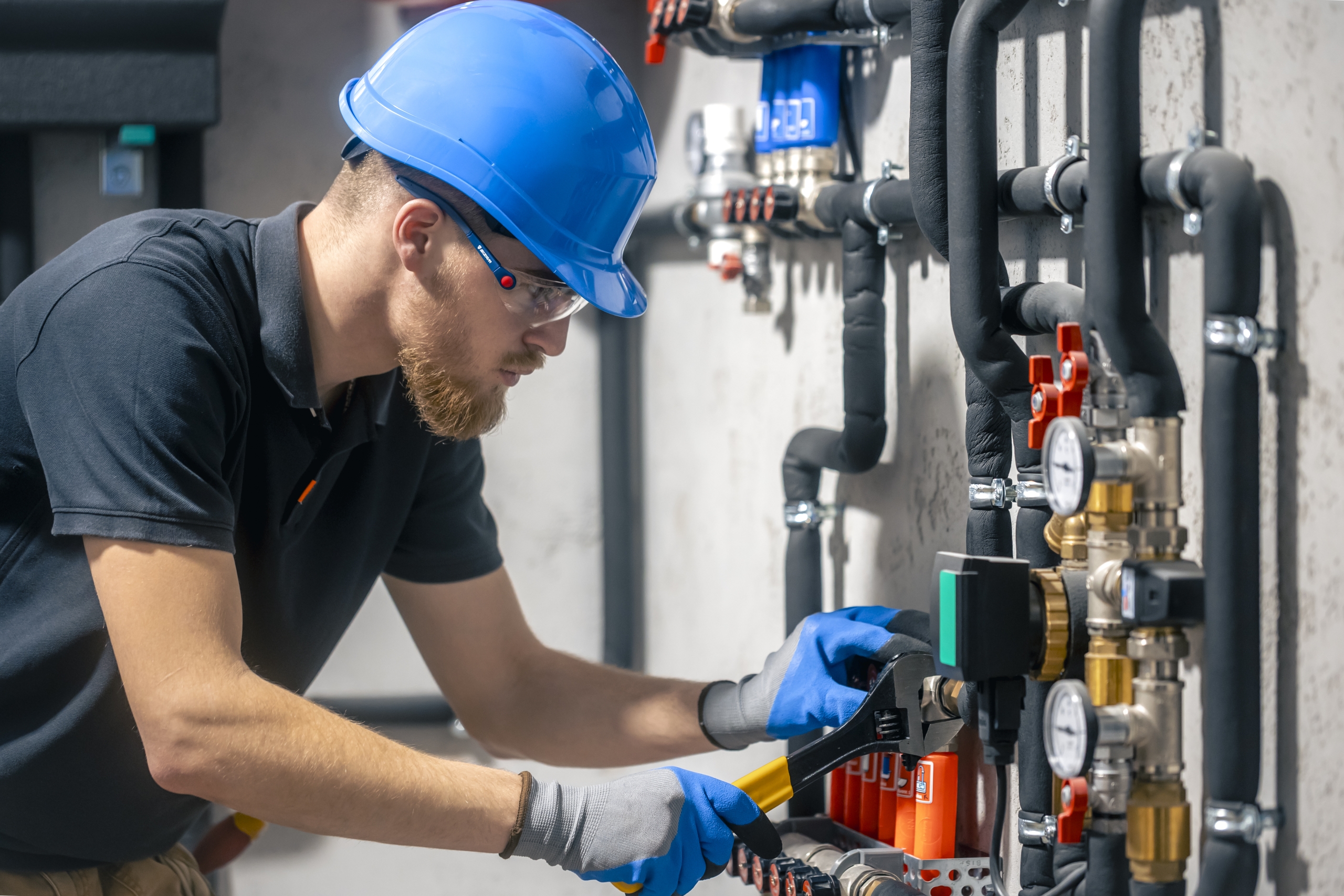





Why Does My Boiler Keep Turning On and Off? Short Cycling Explained
A boiler that repeatedly starts and stops can have several causes, from changing heating demand to thermostat, circulation or control problems. Learn what short cycling means, what you can safely observe and when to request professional help.
Can You Install Solar Panels on an NYC Apartment or Condo?
Solar panels may be possible for an NYC apartment, condo or co-op, but an individual resident usually cannot claim part of a shared roof and install a system independently. The building owner, condo association or co-op board generally needs to approve and lead the project.