Backup Generators 101: The Oil Connection
Many commercial generators in buildings – whether in a high-rise residential building, a hospital, or a data center – are commonly diesel-engine generators. Diesel is favored because it’s energy-dense, relatively safe to store on-site (not as volatile as gasoline or propane), and diesel engines are robust and reliable for heavy loads.
The fuel used is typically ultra-low sulfur diesel, which is essentially interchangeable with No.2 heating oil. This means that the same fuel that heats your building can also power your emergency generator.
In many buildings, the generator is fed from the heating oil tank or an auxiliary tank that is filled with the same fuel delivered by your oil provider. For example, a building might have a 10,000-gallon tank for heating; they might set aside 1,000 gallons in reserve for the generator or have a separate 500-gallon day tank for it, refilled from the main tank.
When the grid goes down, these generators automatically start and provide electricity to essential circuits: elevators, water pumps, emergency lighting, boilers, and life-safety systems. Heating oil (diesel) is literally the lifeblood keeping that generator running and keeping the building habitable and safe when utility power is off.
Advantages of On-Site Fuel in Emergencies
Having on-site heating oil storage for your generator is a major resilience booster:
- Independence from the grid: If the power grid is down, a generator with a full fuel tank can run independently for hours or days. No electricity is required; the fuel’s chemical energy becomes your emergency electricity.
- No immediate reliance on external refueling: During city-wide outages, gas stations may not pump fuel and deliveries can be delayed. On-site fuel buys you critical time.
- High energy content: Diesel and heating oil store a large amount of energy in a relatively small volume, allowing for multi-day runtime that batteries cannot yet match for whole buildings.
- Reliable starting: Diesel generators are known for dependable starts when properly maintained, making them ideal for emergency applications.
In major outages, buildings with oil-fueled generators often become islands of power. After Superstorm Sandy, some high-rises ran generators for days, keeping lights on, water flowing, and residents safe while surrounding buildings without generators had to evacuate.
Heating Systems and Generators: A Symbiotic Relationship
During winter outages, buildings don’t just need power for lighting and elevators — they need heat. Modern oil-fired boilers require electricity for controls, ignition, and pumps. A backup generator ensures the boiler can keep running during a blackout.
Having one common fuel source simplifies emergency planning:
- The building stockpiles one fuel for both heat and power.
- The generator powers the boiler.
- The boiler keeps the building warm during outages.
This creates a loop of resilience that all-electric buildings or buildings without generators simply do not have.
Delivery and Refueling During Outages
For extended outages, fuel eventually needs replenishing. Fuel providers in NYC play a critical role during emergencies by prioritizing generator refueling for hospitals, data centers, and multi-family buildings.
That said, fuel deliveries may not arrive immediately during the first hours of a blackout due to road conditions or prioritization. Buildings with only a few hours of fuel risk losing power before refueling arrives. Best practice is maintaining enough on-site fuel for at least 24 hours of generator runtime at all times.
Use Cases: More Than Whole-Building Backup
- Emergency heat: Generators power boilers or auxiliary heating systems to maintain minimum indoor temperatures.
- Lifesafety systems: Fire alarms, sprinklers, smoke evacuation, and emergency lighting rely on generator power.
- Elevators and water pumps: Generators allow at least one elevator and essential water systems to function in tall buildings.
- Community resilience hubs: Schools and community centers with diesel generators can operate as shelters during widespread outages.
Maintenance of Fuel and Systems
Stored heating oil requires heating system maintenance. Over time, condensation or microbial growth can develop if fuel is left untreated. Regular testing, fuel polishing, and the use of additives help ensure reliability.
Generators themselves are tested regularly under load, which also helps cycle fuel and prevent stagnation. Preparation only works if systems are maintained.
Oil vs Other Backup Fuel Options
Natural gas generators: Depend on utility supply, which may be disrupted or shut off during major disasters.
Batteries: Useful for short-term bridging but not practical for multi-day, whole-building power.
Propane: Less energy-dense than diesel and more restricted in dense urban environments.
For now, heating oil remains the most practical and proven solution for large-scale backup power in NYC.
Real-World Examples
During the 2003 NYC blackout and Superstorm Sandy, buildings with diesel generators maintained essential services while others went dark. Hospitals, co-ops, and large residential complexes relied on stored heating oil to keep systems running and occupants safe.
These examples show how fuel stored in a basement can translate directly into safety and habitability during a crisis.
The Future of Backup Power
As cleaner fuels gain traction, biodiesel blends and renewable diesel are increasingly used in generators. While new technologies may emerge, heating oil remains the backbone of emergency power systems today and in the near future.
Conclusion
Heating oil doesn’t just keep buildings warm — it keeps lights on, elevators moving, water flowing, and people safe when the grid fails. Those large tanks in the basement act like giant batteries, storing energy that can be converted to electricity when it matters most.
Building owners who maintain adequate fuel reserves and properly serviced generators give their occupants peace of mind and real resilience during outages.
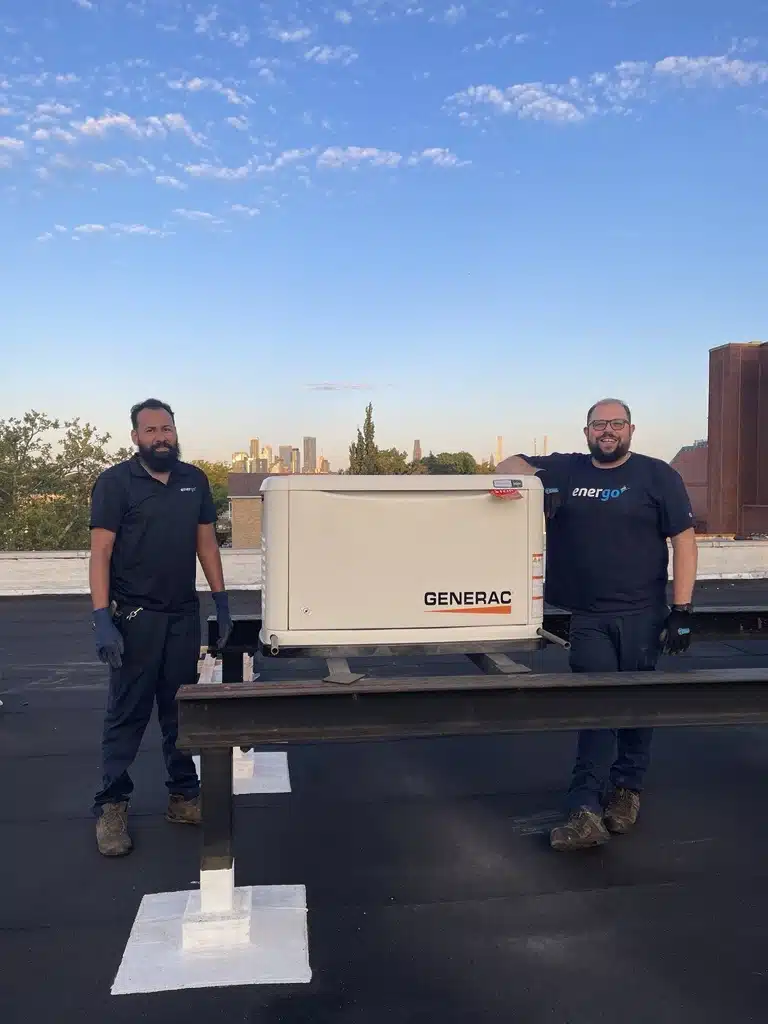
It’s also important to note that backup generators themselves are not one-size-fits-all. Depending on the building and application, generators may run on diesel, natural gas, or other fuel sources, and can range from portable units to permanently installed standby systems. Energo now offers Generac generators designed to meet the needs of commercial and residential buildings.





Why Waiting Until April for Local Law 84 Can Cost NYC Buildings More
If you own or manage a covered building in New York City, Local Law 84 is easy to push down the list until spring. The deadline is May 1. April can feel close enough.
That is exactly where many buildings get into trouble.
Why Commercial Boiler Efficiency Drops in March and What Building Teams Should Check
By March, many building owners and property managers assume they have made it through winter. That assumption is where costs start to climb. January gets most of the attention because cold-weather complaints are loud and immediate. February still feels like peak heating season.