That question is coming up more often in New York City for a few different reasons. Local Law 154 phases fossil-fuel combustion out of many new buildings and specifically affects heating, service hot water, cooking ranges, and clothes dryers in new construction. Local Law 97 also pushes many large existing buildings over 25,000 square feet to reduce emissions. But for most existing houses, duplexes, and small homes, switching from gas to electric is still usually a planning decision, not a blanket citywide legal requirement.
Some homeowners are also looking at indoor air quality. EPA guidance identifies gas stoves as an indoor source of nitrogen dioxide, and recent peer-reviewed reviews continue to link gas stove combustion with elevated indoor pollutant exposure. That does not mean every homeowner needs to change tomorrow, but it does help explain why gas to electric stove conversion NYC is becoming a more common search.
What Does Gas to Electric Conversion Actually Mean?
In practical terms, a gas-to-electric conversion means replacing each gas-powered system on its own timeline. Many NYC homes use gas for the boiler or furnace, the water heater, and the stove. You do not have to replace all three at once. Most owners start with the system that is failing, aging, underperforming, or easiest to upgrade first.
What makes it a real project instead of a simple appliance purchase is the trade work behind it. In NYC, plumbing permits govern gas piping work, and those permits are issued only to a Licensed Master Plumber or supervised employees. Electrical permits are required for most electrical work in a home, and that work must be performed by electrical contractors licensed by the Department of Buildings. In plain language, that usually means a licensed plumber handles the gas side and a licensed electrician handles the new circuit, outlet, service upgrade, or panel work.
Converting Your Heating System from Gas to Electric
For most homeowners looking to replace gas heat with an electric system, the main path is a heat pump. ENERGY STAR describes air-source heat pumps as electric systems that provide both heating and cooling, and notes that ductless mini-splits are often a good fit for older homes without ductwork. That matters in NYC, where many homes and apartments were never built around central air. In other words, if you are asking, “What replaces a gas furnace or boiler?” the most common answer is not another combustion system. It is usually some type of heat pump solution sized to the home.
The installation side depends on what you have now. Some homes only need new equipment and dedicated electrical work. Others need capacity analysis first. ENERGY STAR notes that homes already set up for central AC may not need a major electrical upgrade for a heat pump, while other homes may need more service capacity before new electric loads are added. If you own a building covered by Local Law 97, reducing or replacing fossil-fuel heating can also be one path toward lower reported emissions, but that is mainly a large-building compliance issue, not a typical one-family-home rule.
Gas to Electric Water Heater Conversion
Here, the two most realistic homeowner conversations are usually a standard electric tank versus a heat pump water heater. NYSERDA describes heat pump water heaters as electric systems that move heat from surrounding air into the tank rather than generating heat the old-fashioned way, and notes that they can save energy but still need the right installation conditions. That includes enough surrounding air volume, appropriate temperature conditions, and a way to manage condensation. NYSERDA also notes that many heat pump water heaters have historically required 240 volts, although newer 120-volt models are emerging, which is why electrical planning matters before you buy equipment.
Gas to Electric Stove Conversion in NYC
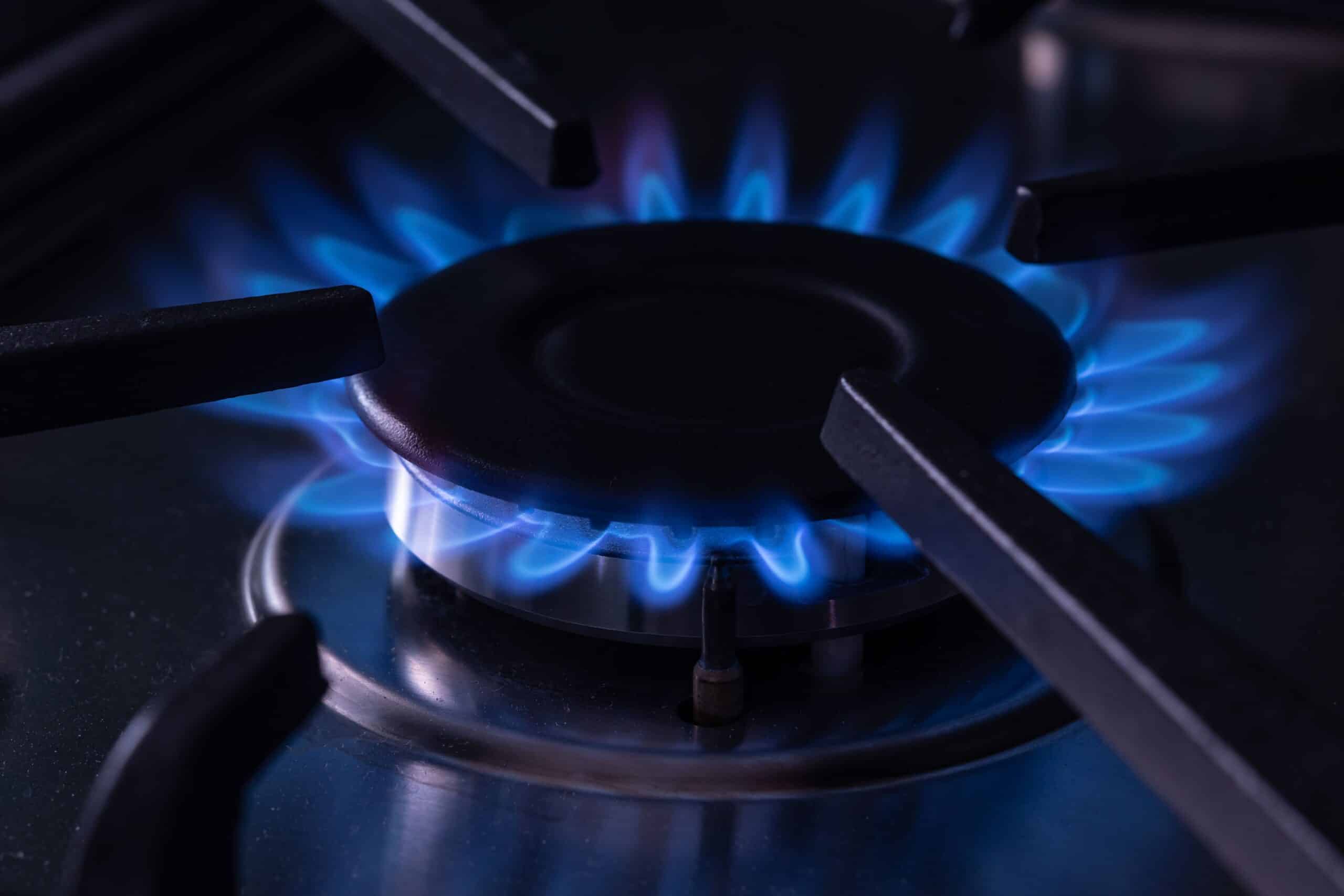
Yes, you can convert a gas stove to electric in NYC. In most cases, the job starts with safely capping or removing the gas connection and then adding the correct electrical connection for the new range. Con Edison’s current Energy Exchange specifically identifies gas stoves as eligible non-space-heating appliances within that program and says incentives can also help cover electrical panel work and gas equipment or piping removal for eligible customers. NYSERDA’s induction guidance adds that induction typically requires a 240-volt outlet, which is why some kitchens need new wiring even when the conversion itself is smaller than a heating-system replacement.
If you are comparing standard electric with induction, the difference is worth explaining clearly. Standard electric ranges use resistance heat. Induction uses electromagnetic technology to heat the cookware itself. NYSERDA says induction generally offers faster response, strong efficiency, and requires compatible magnetic cookware. Their rule of thumb is simple: if a magnet sticks to the pan, induction will usually work.
Do You Need to Convert Everything at Once?
No. Most homeowners do not electrify the whole home at once. They phase it in. A stove might be the first step because it is smaller in scope. A water heater might be next when the old one is near the end of its life. Heating is often the biggest decision because it touches comfort, equipment sizing, and sometimes the electrical service.
The reason to think ahead anyway is the panel. Even if you only plan a gas appliance conversion NYC project one appliance at a time, it is smart to ask whether the panel or service should be sized for the next step too. ENERGY STAR’s electric-ready guidance is built around exactly that idea: prepare the wiring and capacity for future electric heat, water heating, and cooking so you do not solve one problem today and create a second project tomorrow.
What Does Gas to Electric Conversion Cost in NYC and Who Should Do the Work?
The cost of a gas to electric conversion NYC project depends on scope more than anything else. A stove conversion is not priced like a heating conversion. A water heater swap may be straightforward in one home and more involved in another if new wiring, service upgrades, drainage, or space corrections are needed. The biggest variables are usually which systems you are converting, whether you need new circuits or a larger panel, which equipment you choose, and what incentives actually apply to your address and installation date.
For incentives, the careful answer matters more than the optimistic one. Under current IRS guidance, the federal home-improvement credits many people associate with electrification were limited to property placed in service through December 31, 2025. Today, the more relevant place to look is current state and utility support. NYSERDA continues to point homeowners to state heat-pump programs and financing, and Con Edison’s Energy Exchange can help some eligible customers with stove, water-heater, panel, and gas-piping work tied to service-line replacement. That is why the right advice is not “there is a rebate.” It is “check what is active and what your address actually qualifies for.”
This is also where coordination matters. Energo handles heating and cooling installation, water heater work, and has licensed NYC master plumbers and licensed NYC electricians in-house. For a homeowner, that matters because a gas-to-electric conversion usually crosses both plumbing and electrical trades, and the process gets simpler when the heating, water heater, plumbing, and electrical sides are coordinated through one point of contact. If you are trying to understand what your home can support now, what needs to happen first, and whether a stove, water heater, or heat-pump conversion makes the most sense, contacting us is the right place to start.







Can You Install Solar Panels on an NYC Apartment or Condo?
Solar panels may be possible for an NYC apartment, condo or co-op, but an individual resident usually cannot claim part of a shared roof and install a system independently. The building owner, condo association or co-op board generally needs to approve and lead the project.
How to Read a Heating Oil Tank Gauge: What Full, 3/4, 1/2 and 1/4 Mean
Most traditional heating oil tank gauges show your fuel level as a fraction, usually Full, 3/4, 1/2, 1/4 and Empty. The indicator inside the gauge moves down as your heating oil level falls.