Does the Age of a Commercial Roof Determine Whether It Can Support Solar?
Not by itself. An older roof may still be suitable for commercial solar if it is in good condition and can support the proposed system. Conversely, a newer roof may have leaks, drainage problems, installation defects or structural limitations that must be addressed first.
The roof’s condition and remaining service life are generally more useful than its age alone. Building age and roof age may also be very different. A century-old NYC building, for example, may have had its roof replaced or substantially updated much more recently.
The more useful question is not simply, “How old is the roof?” It is, “Will this roof remain sound and serviceable for a meaningful portion of the solar system’s operating life?”
There is no universal age at which a commercial roof becomes too old for solar. The answer depends on the roofing system, its condition, repair history, structural characteristics and the proposed solar design.
What Should Be Checked Before Installing Solar on an Older Commercial Roof?
A commercial solar roof assessment involves more than looking for visible damage. The roof, structure, rooftop layout and installation requirements all affect whether the project can move forward as planned.
Roof Condition and Remaining Service Life
Before solar panels are installed, the assessment should look for active leaks, worn roofing materials, damaged flashing, cracking, blistering, separation and signs of previous water intrusion. The building owner should also consider prior repairs and whether the roof is already scheduled for replacement.
This matters because commercial solar systems are long-term investments. Installing an array over a roof that may need replacement in the near future could mean paying to remove, store and reinstall the equipment later.
An older roof does not necessarily need to be replaced. Limited repairs may be sufficient if the underlying roofing system remains sound. The decision should be based on the roof’s actual condition rather than its age alone.
Structural Capacity
Solar panels are only one part of a rooftop system. Mounting equipment, racking, ballast and other components also add weight. Wind, snow and the way those forces are transferred to the building must be considered as well.
The roof deck and supporting structure need to be able to accommodate the proposed system. Depending on the building and installation, a qualified professional may need to evaluate existing structural conditions before the array is finalized.
If the initial design creates concerns, that does not always mean the building cannot use solar. The system may be redesigned, reduced in size or installed using a different mounting approach. Some buildings may require structural work before installation.
Drainage, Leaks and Ponding Water
Existing drainage problems should be corrected before solar equipment is added. Panels and mounting equipment should not block roof drains, worsen ponding water or make it unnecessarily difficult to inspect and maintain the roof.
Active leaks should also be diagnosed before installation. Adding equipment over an unresolved leak can make future troubleshooting and roof access more complicated.
The mounting method matters too. Roof penetrations, flashing and waterproofing details should be planned carefully to protect the roof and reduce the chance of future water intrusion.
Usable Roof Area and Rooftop Obstructions
A commercial building’s total roof area is not necessarily its usable solar area. NYC roofs frequently contain:
- HVAC equipment
- Vents and exhaust systems
- Bulkheads and stair access
- Skylights
- Water towers
- Parapets
- Roof drains
- Required access paths and clearances
Shading from nearby buildings or rooftop structures can also affect the size and placement of the array. A solar assessment should identify the areas that receive adequate sunlight while preserving required access to equipment, drainage and safety features.
Should You Repair or Replace the Roof Before Installing Solar?
Whether roof work should happen before solar installation depends on the condition of the roof and how soon more substantial work is likely to be needed.
If the roof is in good condition with meaningful service life remaining, the solar project may be able to proceed without substantial roofing work. Any minor issues identified during the assessment should still be corrected before installation.
If the roof needs limited repairs, those repairs should generally be completed first. This may include addressing leaks, damaged flashing, drainage problems or deteriorated sections of roofing material.
If the roof is approaching replacement, coordinating the roofing and solar projects may be more practical. Replacing the roof first can help avoid installing a new solar array only to remove it several years later.
A roof with major structural or condition problems may require a more extensive plan. Depending on the findings, the building owner may need to consider reinforcement, roof replacement, a modified array or another solar solution.
The important point is that an “older roof” should not automatically be placed in any one of these categories. A project-specific assessment is necessary.
What Happens If the Roof Needs Replacement After Solar Is Installed?
Solar panels can generally be removed and reinstalled when roof work is necessary. However, the process creates additional expense and coordination.
The solar equipment must be safely disconnected and removed before roofing work begins. It may need to be stored during construction and then reinstalled, reconnected and tested. The system will also stop producing electricity while it is out of service.
Building owners should review how removal and reinstallation could affect equipment, roofing and workmanship warranties. The roofing contractor, solar provider and other project professionals may need to coordinate their scopes carefully.
This does not mean solar should only be installed on a brand-new roof. It means anticipated roof work should be considered before the array is designed. Thoughtful sequencing can help reduce avoidable costs and disruption later.
Do NYC Local Laws 92 and 94 Affect an Older Commercial Roof?
Local Laws 92 and 94 generally require certain new buildings and projects involving replacement of an entire existing roof deck or roof assembly to provide a sustainable roofing zone using solar photovoltaic systems, a green roof or an eligible combination.
Ordinary roof maintenance and limited repairs are not necessarily treated the same as a complete roof replacement. Applicability depends on the building and the scope of the planned construction work.
Installing solar voluntarily does not mean the building is subject to Local Laws 92 and 94 solely because the roof is old. However, if substantial roof work is being considered alongside the solar project, the owner should determine whether the construction scope triggers additional requirements.
The NYC Department of Buildings provides official guidance on Local Laws 92 and 94, including sustainable roofing-zone requirements and permitted exclusions.
Energo also explains the distinction in more detail in our guide to whether Local Laws 92 and 94 apply to roof repairs or full roof replacements.
Can Older NYC Buildings Be Good Candidates for Commercial Solar?
Yes. Many commercial, industrial, mixed-use and multifamily properties in New York City are housed in older buildings. Their age does not automatically prevent them from supporting a productive solar installation.
Flat commercial roofs can provide valuable installation space, but each property has its own constraints. Roof condition, structural capacity, shading, rooftop equipment, access and electricity usage all affect what can reasonably be installed.
Repairs, reinforcement or an upcoming roof replacement do not necessarily end the project. They may change its design, timing or economics. Identifying those considerations early gives the building owner a clearer picture of what is practical before committing to an installation.
These considerations apply to commercial properties throughout Manhattan, Brooklyn, Queens, the Bronx and Staten Island, as well as buildings in Westchester and Nassau County.
What Does a Commercial Solar Roof Assessment Include?
A commercial solar assessment should establish whether the roof can accommodate an array, how much usable space is available and what work may be needed first. Depending on the property, the process may consider:
- The roof’s current condition and repair history
- Its estimated remaining service life
- Structural and load considerations
- Active leaks, drainage and ponding water
- Available unshaded roof area
- Rooftop equipment, access routes and required clearances
- The building’s current and projected electricity usage
- Permitting, utility and construction considerations
- Whether roofing and solar work should be coordinated
The assessment should help the owner understand whether solar can proceed now, what preparatory work may be required and whether the proposed system makes financial and operational sense for the property.
How Much Does Commercial Solar Cost If the Roof Needs Work?
Necessary roof repairs, structural reinforcement, equipment relocation or roof replacement can affect the overall project budget. Those expenses should be identified as early as possible so the owner can evaluate the complete project rather than the solar equipment alone.
Where possible, the proposal should distinguish the cost of the solar system from related roofing or building work. This gives the owner a clearer understanding of what is required for solar and what work the property may already need regardless of the installation.
The complete analysis may also include available incentives, financing options, projected electricity production and expected savings.
For a broader look at system pricing and return on investment, review Energo’s guide to commercial solar costs in New York. Building owners exploring financing can also learn whether commercial solar is available with no money down.
Talk to Energo About Commercial Solar for Your NYC Building
An older roof does not automatically rule out commercial solar. Energo can help evaluate your building’s electricity use, available roof area, project goals and overall solar feasibility. Identifying roofing, structural, permitting and compliance considerations early can help create a more practical project plan.
Find out whether your building is a good candidate for commercial solar.
Frequently Asked Questions
Can solar panels be installed on an old commercial roof?
Yes. An older commercial roof may support solar if it is in suitable condition, has adequate structural capacity and is not approaching replacement. The building and roof should be evaluated before the solar system is designed.
Should a commercial roof be replaced before solar panels are installed?
A roof may be worth replacing first if it is nearing the end of its useful life or requires substantial repairs. Coordinating roof replacement and solar installation can help avoid removing and reinstalling the panels later.
Does the age of a building affect solar installation?
Building age alone does not determine solar suitability. Roof condition, structural capacity, usable space, shading, electrical requirements and the proposed system design are more important factors.
Can solar panels be removed if the commercial roof needs replacement?
Yes. Solar panels can generally be removed and reinstalled, but the process creates additional costs, coordination and temporary loss of solar production. Considering the roof’s expected service life before installation can help avoid unnecessary disruption.
Do Local Laws 92 and 94 apply when an NYC commercial roof is repaired?
Limited repairs do not necessarily trigger the same requirements as replacement of an entire roof deck or roof assembly. Applicability depends on the scope of work and the building, so owners should review the project against current NYC Department of Buildings requirements.
How do I know if my commercial roof can support solar panels?
A solar feasibility assessment should examine roof condition, remaining service life, structural capacity, drainage, available roof area, rooftop obstructions, shading and the building’s energy needs.

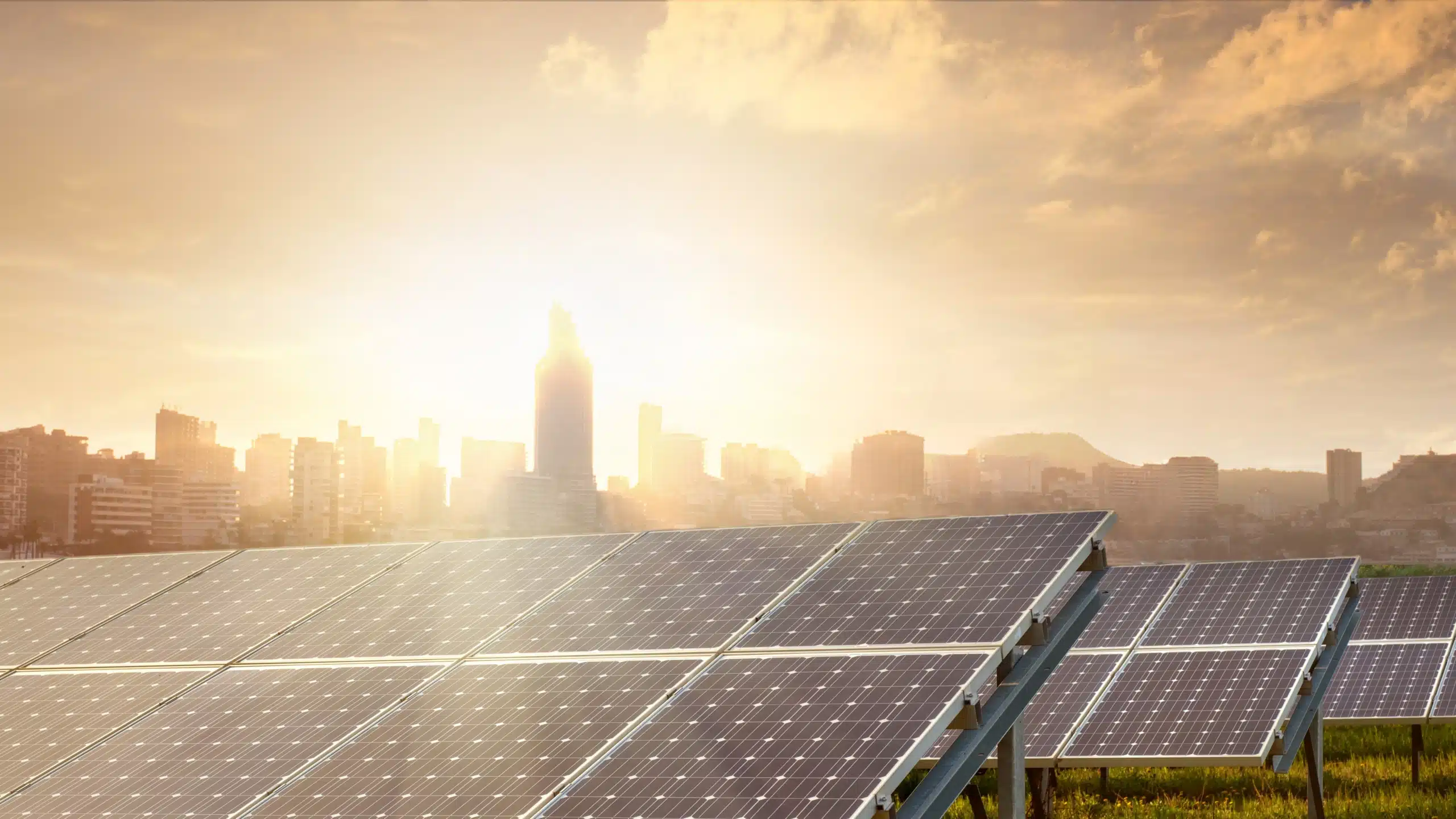




Can You Install Commercial Solar on an Older NYC Roof?
Yes, commercial solar can often be installed on an older NYC roof. The age of the building or roof does not automatically disqualify it. What matters is the roof’s current condition, remaining service life, structural capacity, drainage, usable space and whether repairs or replacement should be completed before installation.
Does a Boiler Tune-Up Count as a Local Law 62 Boiler Inspection in NYC?
A routine boiler tune-up does not automatically count as the annual boiler inspection required under NYC Local Law 62. The two services can be completed during the same visit, but they serve different purposes.