EV Charging Solutions for Commercial Properties.

Energo delivers end-to-end EV charging solutions for commercial properties — from site assessment and installation to ongoing service and repairs. Our team of licensed electricians and energy experts handle every step, so your property attracts tenants, generates revenue, and stays ahead of compliance deadlines.

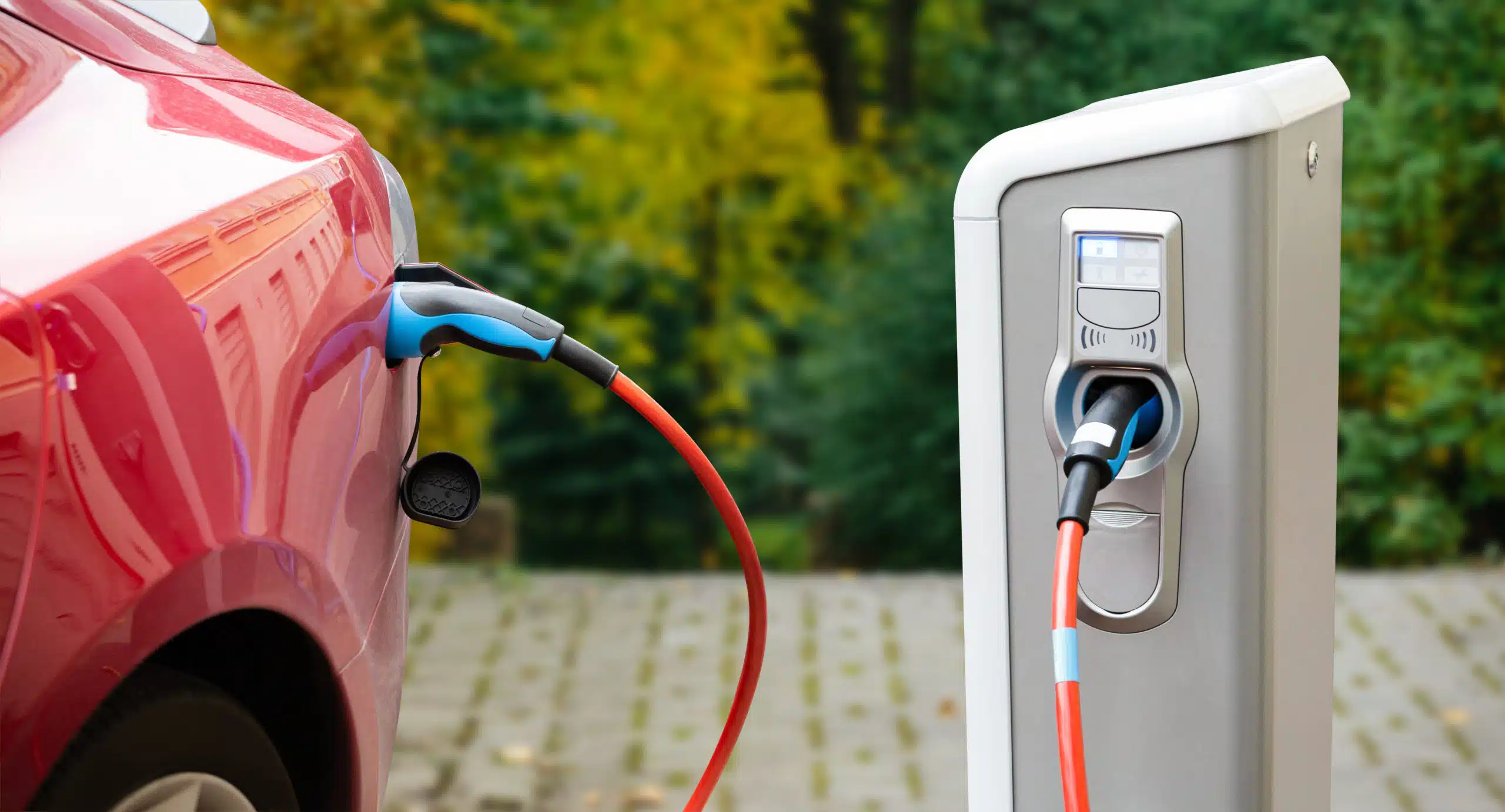
Electric vehicle charging station as part of NYC energy transition

Our Commercial EV Charging Installation Services.

Installing an EV charging system on your commercial property requires the management and coordination of an expert. From determining the ideal location and the required electrical needs to managing the installation and completion of the project, Energo’s team of highly trained electricians and energy experts will help guide you through the entire process.

The Benefits of EV Charging.

Commercial EV charging can help property owners create new revenue, attract and retain tenants, increase customer dwell time and support long-term sustainability goals. For multifamily, office, retail, hospitality and mixed-use properties, EV chargers are quickly becoming a practical amenity that can improve both the tenant experience and the value of the property.

Financial Incentives & Rebates.

The financial case for EV charging is stronger than most property owners realize —state and local programs currently combine to cover a substantial share of installation costs for qualifying commercial properties.


INCENTIVE DETAILS
New York State Tax Credit New York businesses can claim a state tax credit of up to $5,000 per charging station, or 50% of the total property cost, whichever is less.
Charge Ready NY 2.0 (NYSERDA) This NYSERDA program offers rebates of $3,000 per charging port for organizations installing Level 2 EV stations at workplaces, multi-unit dwellings, or hotels/motels. Sites in disadvantaged communities are eligible for an additional $1,000 bonus per port.
EV Make-Ready Program Utility providers like Con Edison offer programs that can cover up to 90% (or 100% in eligible disadvantaged communities) of the utility-side infrastructure costs required to prepare your property for EV chargers.
SmartCharge Commercial Program Con Edison provides ongoing cash rewards to commercial operators for off-peak EV charging and energy-saving load management technologies.

Revenue, Property Value & Tenant Appeal.

EV charging can create a direct income stream when owners set custom charging fees. It can also make a property more attractive to tenants, residents, employees, visitors and future buyers.

For retail and hospitality properties, EV chargers can encourage longer visits while drivers charge. For multifamily and office buildings, they can help retain tenants who increasingly expect convenient charging where they live or work.

Sustainability & Compliance Planning.

EV charging can also support broader sustainability planning, especially when paired with solar, electrical upgrades, building automation or other energy efficiency improvements. For NYC property owners, planning ahead can make it easier to prepare for future EV infrastructure requirements and changing tenant expectations.

Which Charging Level Is Right for Your Property?

Not all EV charging is the same — and the right choice depends on how long people typically stay at your property.

Most commercial properties — offices, retail, restaurants, multifamily, even most campus parking — get the best return from Level 2 charging. Level 3 makes sense for high-turnover, high-traffic locations like stadiums, event venues, or fleet-heavy operations where dwell time is naturally short.

We help you determine the right mix for your specific property during the site assessment.

Level 1 — Standard Outlet Charging

The slowest option, using a standard 120-volt outlet found in most U.S. buildings. Adds roughly 3 to 5 miles of range per hour. Minimal installation cost, but generally too slow to be a meaningful commercial amenity — it’s typically only practical for very low daily mileage or as a backup option, not for attracting tenants or customers.

Level 2 — The Commercial Standard

The most common choice for workplaces, retail, multifamily, and parking facilities. Runs on 240-volt power and delivers roughly 7 to 11 kW, adding 10 to 60 miles of range per hour depending on the vehicle. Most EVs reach a full charge in about 4 to 10 hours — ideal for spaces where people are already parked for a while: a workday, a shopping trip, a multifamily resident’s overnight stay. This is the level most NY State and NYSERDA incentive programs are built around, and the right fit for the large majority of commercial properties.

Level 3 — DC Fast Charging

The fastest option, using direct current rather than alternating current to take most EVs from roughly 10% to 80% charge in 20 minutes to an hour. Built for high-turnover locations where drivers need a fast top-up and leave — think stadium event parking, retail corridors, or fleet operations. It delivers serious speed, but installation is more complex, often requiring utility coordination, trenching, and switchgear — so it’s typically reserved for high-traffic or high-visibility sites where speed matters more than cost-efficiency.

EV Charging + Solar = Better Together.

When paired with rooftop or canopy solar, your EV charging infrastructure can run on clean, self-generated electricity instead of drawing entirely from the grid. For commercial property owners, that combination is one of the most compelling sustainability investments available today.

The Case for Solar-Powered EV Charging.

Pairing the two systems does more than shrink your carbon footprint — it strengthens the financial case for each. Here’s what commercial owners gain by combining commercial solar and EV charging under one plan:

  • Lower operating costs — Solar offsets the electricity cost of running your chargers, protecting you from utility rate increases and reducing your cost per charge over time.
  • Two incentives, not one — Solar projects qualify for the Federal Investment Tax Credit, and EV charging equipment qualifies for separate state and local incentives. Combining both under one property improvement plan means significantly more capital offset than either investment alone.
  • Energy independence — With the right battery storage configuration, your chargers can continue running during grid outages or peak demand periods — reducing exposure to demand charges and utility disruptions.

One partner for both.

Energo can evaluate your property for both EV charging and solar — so you get a unified assessment and a clear picture of the combined return, rather than managing two separate vendor conversations.

Interested in the combined solution? Let’s start with a site assessment and show you what’s possible for your property.

Need Financing?

Energo offers flexible financing so you can add EV charging without a large upfront investment. Through our trusted partners, you can spread the cost of equipment and installation over time and preserve capital for other priorities. Paired with state and utility incentives, financing makes it easier to act on Local Law 55 compliance now. We’ll walk you through the options during your site assessment.

Energo customer service representative assisting NYC client

Frequently Asked Questions About Commercial EV Charging in NYC

Answers to the questions building owners and property managers ask most before adding EV charging.

Does my NYC parking garage or lot have to install EV chargers?

Yes, if it has 10 or more spaces. Under NYC Local Law 55 of 2024, existing parking garages and open lots must equip at least 20% of spaces with Level 2 EV chargers, and make another 40% of spaces “EV-ready,” by January 1, 2035. New and substantially renovated facilities face a higher ready-space requirement of roughly 60%. One DC fast charger can count toward up to half of the Level 2 requirement. Energo’s licensed electricians handle the electrical work, permitting, and Con Edison coordination needed to bring a property into compliance ahead of the deadline.

Do EV chargers count toward my building’s Local Law 97 emissions?

No, energy used by unidirectional EV chargers is excluded from your building’s Local Law 97 emissions calculation. The NYC Department of Buildings treats that electricity as transportation-sector use, so it can be deducted from your building’s total metered consumption (a 2021 DOB bulletin established this). The exclusion applies only to chargers used solely for vehicle charging; bidirectional chargers and battery-storage systems are not currently eligible. In practice, this means adding EV charging will not push a building closer to its LL97 emissions cap or penalty threshold. Energo can factor this into a broader compliance plan alongside solar and HVAC upgrades.

What EV charging incentives can NYC commercial properties get?

NYC commercial properties can usually stack several programs to cover a substantial share of EV charging costs. These include a New York State tax credit of up to $5,000 per charging station, NYSERDA’s Charge Ready NY rebates for each Level 2 port (with bonuses for sites in disadvantaged communities), Con Edison’s EV Make-Ready program which can cover up to 90%, or 100% in eligible disadvantaged communities, of utility-side infrastructure costs — and Con Edison’s SmartCharge rewards for off-peak charging. Most properties qualify for more than one. Program amounts change over time, so Energo helps confirm which incentives currently apply to your property.

What level of EV charger should my commercial property install?

For the large majority of commercial properties — offices, retail, multifamily, and parking facilities — Level 2 is the right choice. It runs on 240-volt power, adds roughly 10 to 60 miles of range per hour, and is the level most New York State and NYSERDA incentive programs are built around. Level 1 standard-outlet charging is generally too slow for commercial use except as a backup option, while Level 3 DC fast charging suits high-turnover sites like event parking, retail corridors, and fleet operations. Energo evaluates your property’s usage and electrical capacity to recommend the right mix.

Does installing commercial EV charging require an electrical upgrade?

Often, yes. Adding EV chargers — especially multiple Level 2 ports or any DC fast charger — can require upgrades to your building’s electrical service, panel, or wiring to handle the added load. The exact scope depends on your existing capacity and how many ports you install. Because EV charging is electrical work, it is best handled by a licensed electrician who can also coordinate any service upgrade with Con Edison. Energo’s licensed electricians evaluate your building’s capacity during the site assessment and complete the upgrades and installation under one roof, rather than coordinating separate contractors.

Can EV charging generate revenue for my property?

Yes. Commercial owners can set custom session fees and monetize each charge, turning EV charging into an ongoing revenue stream rather than just an amenity. Beyond direct income, charging stations help attract and retain tenants, increase a property’s asset value, and — for retail and hospitality properties — extend dwell time as drivers stay longer while their vehicles charge. Combined with available incentives, these returns let EV charging pay for itself across multiple dimensions of a property’s performance.

Can I install EV charging and solar at the same time?

Yes, and pairing them is one of the strongest moves a commercial property can make. When EV chargers run on rooftop or canopy solar, they draw on clean, self-generated electricity instead of the grid — lowering operating cost per charge and protecting against utility rate increases. The two systems also qualify for separate incentives, with solar eligible for the federal Investment Tax Credit and EV charging eligible for its own state and utility programs, so combining them under one plan stacks more savings than either investment alone. Energo evaluates a property for both in a single assessment, so you get one partner and one clear picture of the combined return.

Who installs commercial EV charging in NYC, Westchester, and Nassau?

Energo designs and installs commercial EV charging for buildings across New York State. Because EV charging is electrical work, Energo’s licensed electricians handle the full project — evaluating your building’s electrical capacity, completing any service or panel upgrades, installing the chargers, and coordinating permitting and Con Edison interconnection. Energo also helps property owners identify the incentives they qualify for and can pair charging with solar and battery storage, so the entire energy project is managed under one roof instead of across multiple vendors.

Ready to Get Started?

EV charging is becoming a deciding factor for tenants, employees, and customers choosing where to park, work, shop, and live in NYC. Energo designs, installs, and services on-site charging — so your property stays ahead instead of catching up.


*Solar Services are available through Aegean Energy, a licensed subsidiary of Energo.

© 2026 Energo. All rights reserved. NYC Licensed Master Plumber #1608   ·   NYC Licensed Master Electrician #12165   ·    NYS Backflow Prevention License #14080
NYC Home Improvement License #2136369
Privacy Policy | Terms & Conditions