Building Management Systems for NYC Commercial Properties.

Energo installs customized Building Management Systems (BMS) for commercial properties across the New York City area. If your building’s energy use feels difficult to control or expensive to manage, this page explains what a BMS is, what Energo’s system covers and how it fits into your building’s energy strategy.

Energo smart thermostat and energy efficiency controls
Edison bulbs in front of window with city reflections

What Is a Building Management System?

A Building Management System, commonly called a BMS, is a centralized control platform that monitors and manages a building’s mechanical and electrical systems from one place. Rather than relying on manual adjustments or disconnected equipment, a BMS automatically regulates temperature, lighting, ventilation and other systems based on real-time conditions, occupancy patterns and preset operating schedules.

For commercial building owners and property managers in NYC, a BMS provides direct visibility into how a building is consuming energy — and the controls to act on what you see.

What Does Energo’s BMS Control?

Energo’s customized Building Management System is designed around the specific systems in your building. Depending on your property’s setup, a BMS can monitor and automate:

  • Temperature and HVAC systems: boilers, furnaces, commercial cooling equipment, heat pumps and ventilation
  • Lighting controls: adjusting lighting based on occupancy and time of day
  • Hot water systems: monitoring and scheduling to reduce standby energy loss
  • Other connected building systems: tailored to what your property actually runs

Every BMS Energo installs is customized to the building. The system is built around how your property operates, which equipment it uses and what your management goals are.

Modern apartment interior with Energo heating and cooling service

How Does a Building Management System Save Energy?

A BMS reduces energy waste by replacing reactive, manual building management with automated, data-driven control. Here is how that works in practice:

Heating and cooling systems are among the largest energy expenses in commercial buildings. When those systems run at full capacity during unoccupied hours, or maintain the same settings across zones with different heat loads, energy is wasted and costs climb. A BMS addresses this by automatically adjusting output based on occupancy schedules, outdoor conditions and real-time sensor data.

Lighting systems follow the same logic. Spaces that remain lit when unoccupied contribute to unnecessary energy consumption. Automated lighting controls tied to occupancy eliminate that waste without requiring anyone to remember to flip a switch.

The result is a building that uses energy when and where it is needed — not continuously, indiscriminately.

BMS and NYC Local Law Compliance.

NYC’s building energy laws are creating new pressure on commercial property owners to reduce energy consumption and document performance. A Building Management System does not fulfill these requirements on its own, but it directly supports the kind of energy management they demand.

Local Law 97 requires buildings over 25,000 square feet to meet greenhouse gas emission limits starting in 2024, with stricter caps in 2030. Buildings that exceed their limits face significant annual penalties. Reducing energy waste through automated controls can be a meaningful part of a Local Law 97 compliance strategy.

Local Laws 84 and Local Law 133 require annual benchmarking of energy and water use. A BMS makes it easier to track and document consumption data throughout the year.

Local Law 87 requires energy audits and retro-commissioning for large buildings every ten years. The data a BMS generates can provide useful baseline and performance information for that process.

Energo works with NYC commercial properties on Local Law compliance across all of these requirements. If you are managing toward compliance deadlines, we can help you understand where building management fits into your broader energy strategy.

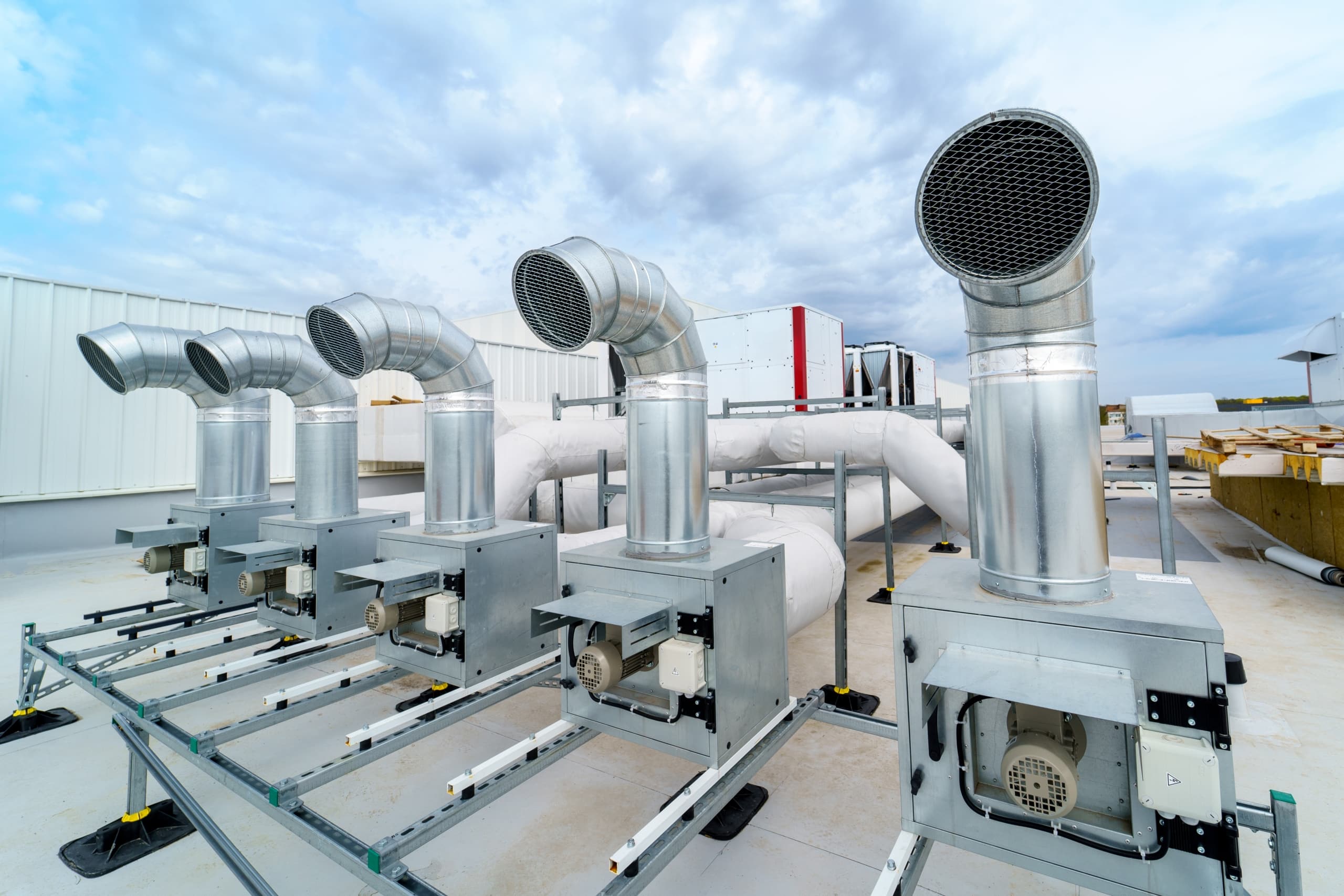
Energo rooftop HVAC system installation in NYC

Why Choose Energo for Building Management Systems?

Most technology vendors sell a product and move on. Energo approaches building management differently because we understand what sits behind it: the heating plant, the HVAC systems, the energy supply and the compliance obligations that come with owning or managing a commercial building in New York City.

That matters for BMS installation. A system installed without understanding how a building actually operates — how the boiler cycles, how tenants use the space, where heat loads concentrate — will underperform. Energo’s team includes in-house mechanical engineers, NORA-certified technicians, licensed NYC master plumbers and licensed electricians. We evaluate the building as a whole, not just the controls layer.

When you work with Energo, building management becomes part of a larger picture: energy supply, HVAC service, efficiency upgrades and local law support, all through one company that knows your property.

Young couple cooking in modern kitchen with laptop open

Common Questions About Building Management Systems in NYC

What is a Building Management System (BMS)?

A Building Management System is a centralized platform that monitors and controls a commercial building’s mechanical and electrical systems — including heating, cooling, lighting and ventilation — from one interface. It automates adjustments based on real-time data, reducing the need for manual management and minimizing energy waste.

What is the difference between a BMS and a building management system (BMS)?

The terms are often used interchangeably. Both refer to centralized systems that monitor and control building equipment. BMS is more common in the context of automation and controls; BMS is sometimes used more broadly to include energy management and reporting functions. Energo’s system covers both monitoring and automated control.

Does a Building Management System work with existing HVAC equipment?

In most cases, yes. Energo evaluates your existing equipment during the assessment process to determine compatibility and identify the best integration approach. A BMS can typically be connected to boilers, commercial HVAC systems, heat pumps, cooling towers and other existing equipment.

How does a BMS help with NYC Local Law 97?

Local Law 97 requires large buildings to meet greenhouse gas emission limits. A BMS reduces energy consumption — and therefore emissions — by automating heating, cooling and lighting controls to eliminate waste. While a BMS alone does not guarantee compliance, it is a meaningful tool in a broader Local Law 97 strategy.

Is a Building Management System only for large buildings?

BMS technology is most commonly applied in mid-size to large commercial buildings, but it can be appropriate for any property where energy costs are significant and manual management is inefficient. Energo evaluates each building individually to determine whether a BMS makes practical sense.

How long does BMS installation take?

Installation timelines vary depending on the size of the building, the number of systems being integrated and the complexity of existing equipment. Energo provides a detailed assessment before installation begins so you have a clear picture of scope and timeline.

Does Energo service and maintain BMS after installation?

Yes. Energo provides ongoing support for systems we install. Proper maintenance ensures your BMS continues to perform accurately and that the data it provides remains reliable.


Ready to Take Control of Your Building’s Energy?

Energo installs customized Building Management Systems for commercial properties across New York City and Westchester. Contact us to discuss what a BMS could do for your property.

© 2026 Energo. All rights reserved. NYC Licensed Master Plumber #1608   ·   NYC Licensed Master Electrician #12165 Privacy Policy | Terms & Conditions