Why does commercial boiler efficiency drop in late winter?
March sits in an awkward zone for boiler systems.
The coldest days may be less frequent, but heating demand does not disappear. Boilers still have to respond to chilly mornings, shifting afternoon temperatures, wind exposure, changing occupancy, and domestic hot water demand. That kind of stop-start demand is not always easier on a system. In many buildings, it is harder.
A boiler plant that struggled during January cold snaps may continue to underperform in March. Instead of a dramatic shutdown, you may see longer run times, more cycling, uneven heat, delayed recovery, rising fuel consumption, and recurring comfort complaints. Because the system is still operating, these issues often get pushed down the priority list.
That is what makes March expensive. You are still paying for heat, but not getting the level of efficiency, control, or reliability you should.
What are the warning signs your boiler system is wasting fuel?
The better question is not just “Why do boilers struggle?” It is “What should building teams actually look for?”
Here are some of the most common late-winter warning signs:
- The boiler is running, but tenants still complain – If parts of the building feel cold while other areas overheat, the issue may not be boiler capacity alone. It can point to control drift, circulation problems, balancing issues, or sequencing problems in a multi-boiler setup.
- Fuel use remains high for the weather – If March weather is milder than January but fuel consumption is not falling the way you would expect, efficiency may be slipping. That can happen when boilers short cycle, controls are poorly tuned, pumps are underperforming, or the system is compensating for hidden problems.
- The system cycles more frequently – Short cycling is expensive. It increases wear, reduces efficiency, and often points to control issues, flow problems, oversizing at partial load, or sensors that are not reading conditions correctly.
- Recovery takes longer than it should – If the building takes longer to warm up in the morning or domestic hot water recovery feels inconsistent, the problem may be tied to output, scheduling, pump performance, or priority settings.
- Pressure problems keep returning – A one-time pressure issue is one thing. Ongoing pressure loss is another. If staff are repeatedly noticing pressure fluctuations or topping up the system, the problem needs a real diagnosis, not just a reset.
- The same boiler keeps carrying the load – In multi-boiler plants, one lead boiler can end up doing too much work if sequencing is off. That drives uneven wear, higher operating costs, and more avoidable service issues.
Why late-winter boiler inefficiency often gets overlooked
Late-winter boiler problems often get overlooked because they rarely announce themselves as urgent failures at first.
By March, building teams are tired of winter issues. Occupants may be less vocal on milder days. And if the boiler is still producing heat, inefficiency can hide in the background. That creates a false sense of stability.
But a system that is limping through late winter is usually costing you in one or more of these ways:
- Higher fuel consumption
- Longer equipment run times
- More frequent resets or nuisance issues
- More wear on pumps, burners, and controls
- Lower comfort across zones
- A rougher transition into shoulder season maintenance
In other words, March is often when deferred attention gets most expensive.
What can building staff check before calling for service?
Not every issue starts with a major repair visit. There are a few practical checks facilities teams can make before escalating the problem.
- Check the schedule and control settings – March often exposes settings that no longer match actual occupancy. Holiday overrides, manual changes, and old start-stop schedules can all reduce efficiency.
- Review recent complaint patterns – Are complaints coming from one stack, one floor, one wing, or one time of day? That pattern matters. It can help separate plant-wide issues from zone-level problems.
- Watch for repeated resets – If staff are resetting the same fault more than once, that is not a fix. It is a sign the underlying cause has not been addressed.
- Look at pressure behavior over time – Pressure that drops and gets topped off repeatedly should not be treated as normal late-winter behavior.
- Note lead-lag performance – In a multi-boiler room, check whether the same unit is repeatedly carrying the load while others remain underused.
These checks will not replace a technical evaluation, but they help move the conversation from “the heat feels off” to “here is what keeps happening.”
What should a proper late-winter boiler assessment include?
A proper commercial boiler performance review should typically include:
- Control and scheduling review
- Lead-lag and sequencing evaluation for multi-boiler systems
- Circulation and flow assessment
- Pressure and expansion-related review
- Combustion-related performance review
- Domestic hot water prioritization check, where relevant
- Visual review of recurring wear points and fault history
- Identification of issues that can be corrected now versus scheduled for shoulder season
That matters because not every March issue requires the same response. Some boiler problems need immediate service. Others can be stabilized now and addressed more fully in a planned maintenance window. The key is knowing which problem is which.
When should boiler inefficiency stop being monitored and start being addressed?
If the system is showing one minor symptom once, monitoring may be reasonable.
If you are seeing repeated lockouts, uneven heating, pressure loss, short cycling, poor recovery, or recurring tenant complaints, you are past the point of casual monitoring. At that stage, waiting usually does not save money. It just shifts cost into wasted fuel, more wear, and a bigger repair risk later.
Why this matters for NYC commercial properties
Commercial buildings in New York that use boilers do not have much room for heating inconsistency. Occupant expectations are high, building systems are often complex, and small inefficiencies can add up quickly across a property portfolio.
That is why late-winter boiler performance deserves attention even when the weather starts to soften. March is not the end of the heating season. In many buildings, it is the month when inefficiency becomes easiest to ignore and hardest to justify.
The bottom line
January may be the loudest month for commercial boiler problems. March is often the most expensive month to ignore them.
If your building is seeing uneven heat, repeated resets, higher-than-expected fuel use, pressure issues, or slow recovery, the question is not whether the boiler is still running. The question is whether it is still running efficiently.
Energo supports commercial properties across the New York City metro area and Westchester with heating, commercial HVAC, and boiler system support. If your building is still operating but showing signs of inefficiency, now is the time to address the issue before higher fuel use, added wear, and avoidable service problems carry into the next maintenance cycle.

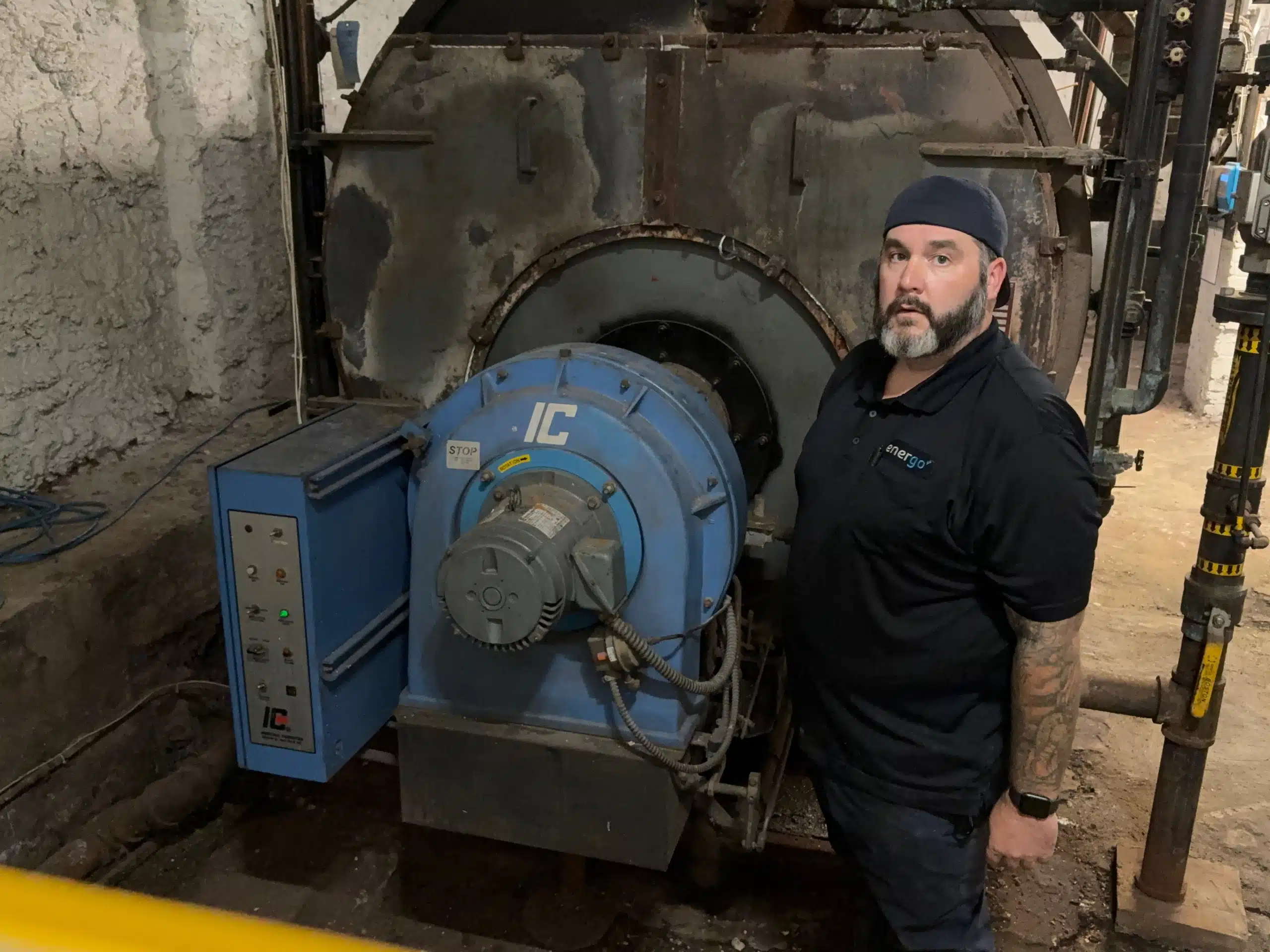




Why Commercial Boiler Efficiency Drops in March and What Building Teams Should Check
By March, many building owners and property managers assume they have made it through winter. That assumption is where costs start to climb. January gets most of the attention because cold-weather complaints are loud and immediate. February still feels like peak heating season.
How Smart Tank Monitoring Makes Automatic Heating Oil Delivery More Accurate
If you’ve ever searched something like “how long will 1/4 tank of heating oil last?” or “does oil heat work without electricity?” you’re not alone. Those “how long” and “will it still work” questions are some of the most common reasons homeowners and property managers end up on Energo’s blog in the first place.