This guide explains what commercial HVAC service in Manhattan typically includes, what preventive maintenance should cover, the most common repair issues we see in NYC buildings, and how boiler and burner support fits into the picture when heating systems in NYC are part of your scope.
What Counts as “Commercial HVAC” in Manhattan Buildings?
In Manhattan, commercial HVAC can mean a wide range of systems, often stacked together in one property. Common setups include:
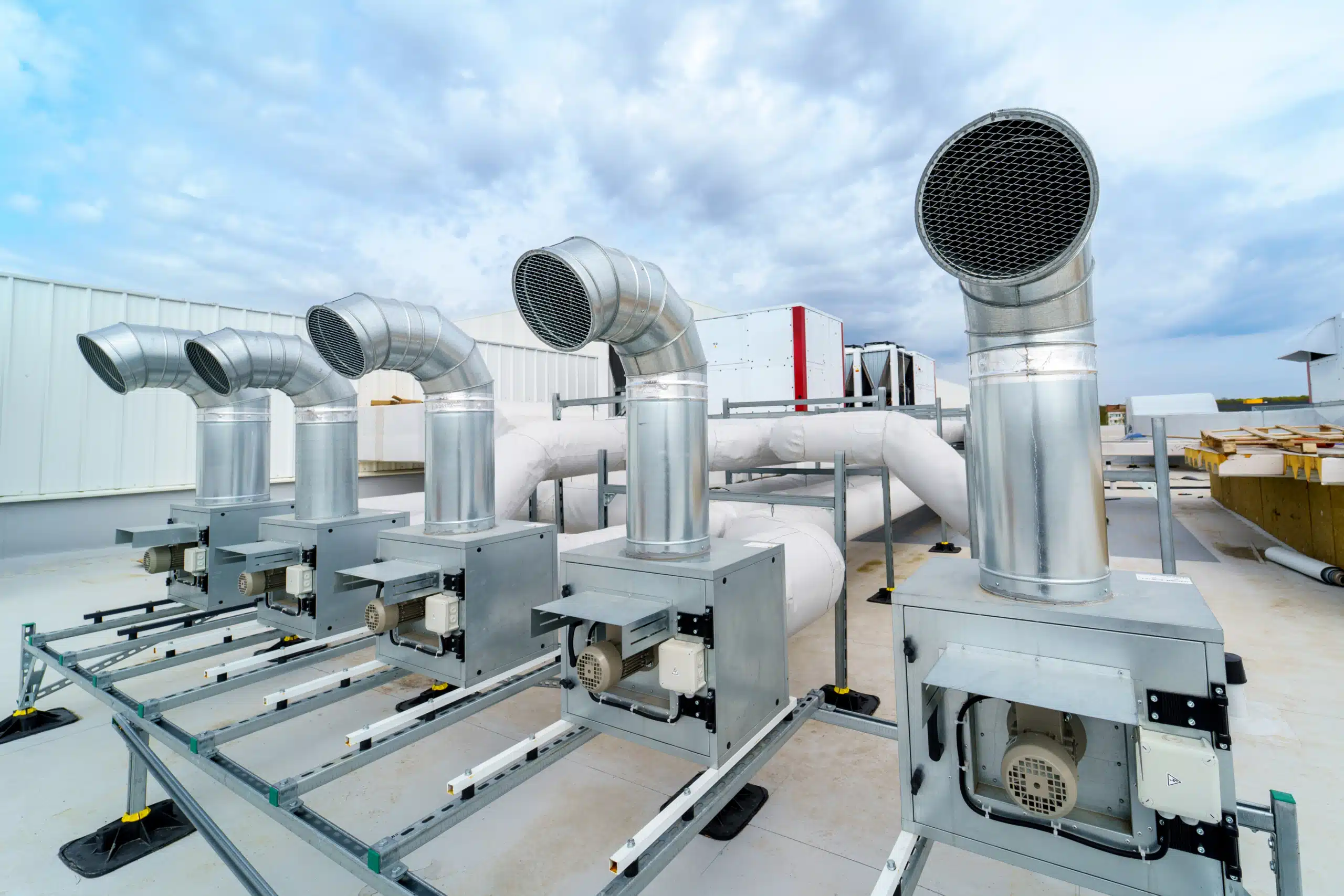
- Rooftop units (RTUs) serving retail, offices, or amenity areas
- Split systems and condenser-based cooling for offices and mixed-use
- Hydronic heating (hot water) distributed through risers and zones
- Boiler and burner systems supporting heat and, in some buildings, domestic hot water
- Ventilation and make-up air systems that affect comfort and indoor air quality
- Controls and sensors that can cause major issues when misconfigured
Because these systems interact, a “simple” complaint like “it’s too hot on the 12th floor” can be caused by zoning, airflow imbalance, controls drift, or a mechanical issue upstream.
The Most Common Commercial HVAC Problems in Manhattan
Manhattan buildings tend to share a few recurring HVAC pain points. If you are seeing these patterns, you are not alone.
- Uneven temperatures by floor or exposure: South-facing zones can overheat while north-facing zones lag, especially in prewar and mid-century buildings.
- Seasonal switchover issues: Shoulder season is brutal in NYC. Buildings swing between heating and cooling demands, and controls can struggle if schedules and setpoints are not tuned.
- Short cycling and nuisance shutdowns: Often tied to sensors, airflow restrictions, condensate issues, safety switches, or control logic that is not calibrated for real conditions.
- Airflow and ventilation complaints: Dirty filters, belt issues, duct restrictions, or make-up air imbalances can show up as comfort issues and odor complaints.
- Boiler and burner efficiency drift: Over time, tuning can slip. That can raise fuel use, increase soot risk, and create reliability issues.
In most cases, the fastest path to fewer complaints is not “more repairs.” It is better maintenance and better documentation so the system can be diagnosed quickly and kept stable through seasonal change.
What Preventive Maintenance Should Include (and Why It Matters)
Preventive HVAC maintenance is not just a checkbox. In commercial buildings, it is how you reduce breakdown risk, protect equipment life, and keep tenants comfortable.
A strong commercial HVAC maintenance visit typically includes:
- Filter inspection and replacement planning (not just “looks fine”)
- Coil and drain evaluation to prevent condensate backups and humidity issues
- Fan, belt, and motor checks to catch wear before it becomes downtime
- Electrical and control review (connections, safeties, abnormal cycling)
- Refrigerant performance checks where applicable
- Operational testing under real load conditions when possible
- Notes that actually help the next technician, including readings and observed trends
For Manhattan properties, preventive maintenance also needs to account for service access (roof rules, freight elevator windows, tenant scheduling) and seasonal timing (spring commissioning, summer peak readiness, fall heating prep).
Commercial HVAC Repairs: What Property Managers Should Expect
When a commercial HVAC repair is needed, speed matters, but so does precision. The goal is not to “reset it and leave.” The goal is to identify root cause so the issue does not recur next week.
Common commercial repair categories in Manhattan include:
- Controls and sensors: bad readings, misconfigured schedules, failed thermostats, or drifting setpoints
- Airflow problems: belt failures, fan issues, dirty coils, blocked returns, damper faults
- Condensate and drainage issues: clogs, pump failures, humidity-related shutdowns
- Electrical faults: contactors, relays, safety switches, loose connections
- Component failures: motors, compressors, valves, actuators
Best practice for faster diagnostics: keep equipment model/serial information, last service notes, and building access instructions in one shared place. It saves time and reduces repeat visits.
Boiler Support in Manhattan: When Heating Is Part of the HVAC Scope
Many Manhattan buildings rely on boiler and burner systems for heat, and in some cases domestic hot water. Boiler issues tend to show up as comfort complaints, fuel use spikes, or nuisance shutdowns, but they often start with smaller warning signs.
Boiler and burner support commonly includes:
- Operational checks and troubleshooting for lockouts and cycling issues
- Combustion-related service and tuning to support efficient operation
- Safety control verification and system performance assessment
- Coordination when licensed plumbing or electrical work is required (Energo has licensed plumbers and electricians)
Important note: for technicians, you can expect fully trained technicians (and where applicable, NORA-certified). When a job requires licensed trades, Energo provides licensed plumbers and electricians in NYC.
Repairs vs Upgrades: How to Decide in a NYC Building
In Manhattan, the “right” answer depends on building age, equipment condition, tenant demands, and budget cycles. A good rule of thumb:
- Repair when the failure is isolated, the unit is otherwise stable, and parts availability is reasonable.
- Upgrade when you are seeing repeat failures, chronic comfort complaints, or controls that cannot maintain stable zones.
- Plan a phased approach when capital is limited but downtime and complaints are rising.
Often, the highest ROI improvements are not the flashiest. Controls optimization, balancing, ventilation tuning, and a consistent maintenance plan can reduce complaints and service calls without a full replacement.
Service Logistics in Manhattan (What to Expect)
Manhattan properties have unique constraints: roof access rules, elevator scheduling, street parking limits, and tenant coordination. Good service planning is part of the value.
- Expect a clear plan for building access and work windows
- Expect documentation of findings and next-step recommendations
- Do not accept vague “we’ll keep an eye on it” notes when performance is unstable
Energo provides service seven days a week, with responsive scheduling and clear communication so building teams can plan confidently around service windows.
FAQs: Commercial HVAC Service in Manhattan
Do commercial HVAC systems in Manhattan have compliance requirements?
Yes. In New York City, many commercial buildings must meet ongoing inspection, registration, and reporting requirements depending on system type and fuel source.
For buildings with boiler systems, this often includes triennial boiler registration requirements, which require renewal filings with the NYC Department of Environmental Protection (DEP). In some cases, coordination with DOB requirements may also apply depending on system classification. Missing registration deadlines can delay permits, complicate inspections, or result in violations.
Property managers should confirm that their boiler registration status is current and aligned with inspection cycles. HVAC service and boiler maintenance planning should account for these regulatory timelines to avoid rush compliance filing mistakes.
How often should commercial HVAC systems be serviced in NYC?
Most commercial systems benefit from seasonal preventive maintenance at minimum (cooling prep before summer, heating prep before winter). Higher-usage buildings and mixed-use properties often need more frequent checks to stay stable.
What is typically included in commercial HVAC maintenance?
A proper maintenance visit includes filter and coil evaluation, airflow and belt checks, condensate drainage review, electrical and control checks, and performance testing. The output should be documented, not just “completed.”
Why do Manhattan buildings have uneven heating or cooling?
Uneven conditions are often caused by zoning and airflow imbalance, exposure differences by facade, control schedules, or distribution issues in hydronic systems. The fix is usually a combination of targeted diagnostics and tuning, not guessing.
Do boiler issues always mean the boiler needs replacement?
No. Many boiler problems come from tuning drift, safety controls, distribution issues, or maintenance gaps. Replacement decisions should be based on condition, repeat failure patterns, efficiency, and long-term reliability needs.
What information should I have ready before scheduling service?
Have equipment location, model/serial info (if available), a brief description of the issue, when it started, any error codes, and building access rules (roof/elevator). It can significantly reduce time to diagnosis.





How to Read a Heating Oil Tank Gauge: What Full, 3/4, 1/2 and 1/4 Mean
Most traditional heating oil tank gauges show your fuel level as a fraction, usually Full, 3/4, 1/2, 1/4 and Empty. The indicator inside the gauge moves down as your heating oil level falls.
Capped vs. Fixed Heating Oil Pricing: Which Should You Choose?
Capped heating oil pricing sets a maximum price per gallon while allowing you to pay a lower price when the plan’s pricing formula falls below that ceiling. Fixed heating oil pricing locks in one per-gallon rate for the agreed term, even if market prices rise or fall.