Commercial AC Systems: 7 Signs It’s Time for Service.
When your commercial air conditioning system starts to struggle, small warning signs can quickly turn into costly breakdowns. Knowing what to look for can save you time, money, and stress.
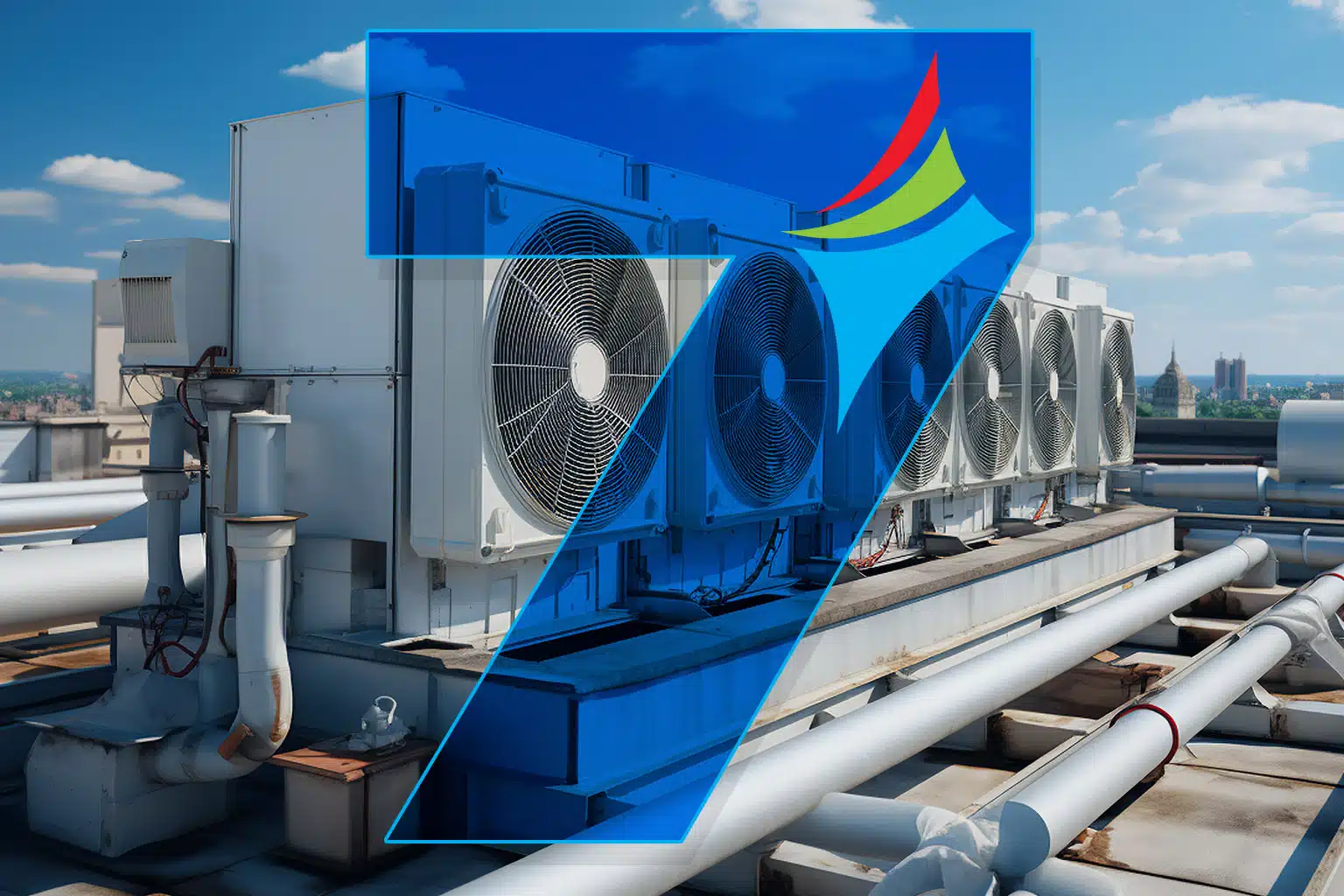

When your commercial air conditioning system starts to struggle, small warning signs can quickly turn into costly breakdowns. Knowing what to look for can save you time, money, and stress.
Here are 7 key signs your commercial AC system might be due for repair—or even replacement—so you can take action before it’s too late:
Staying ahead of AC problems is the best way to avoid emergency calls, rising energy costs, and unhappy occupants. If you’ve noticed any of these warning signs in your building, it’s time to schedule a professional inspection.
At Energo, our team specializes in keeping commercial cooling systems maintenance at peak performance. Whether you need a quick repair, routine maintenance, or guidance on replacement options, we’re here to help.
Contact us today to request service or schedule a consultation—and keep your building cool, efficient, and reliable.
Need a new A/C system or urgent HVAC repair? We’ll build a custom solution around your building, budget and goals. Fast, accurate quotes from experts who know NYC buildings inside and out.
Call: 888-378-9898



Should I Switch From Will-Call to Automatic Heating Oil Delivery?
Quick answer: If you would rather have your heating oil provider manage your refill schedule instead of checking the tank and placing each order yourself, switching from will-call to automatic heating oil delivery may make sense.
Can You Get a Local Law 87 Extension? NYC’s October 1 Deadline Explained
If your New York City building is due for Local Law 87 compliance this year and the energy audit or retro-commissioning work is not going to be finished by December 31, you may have another option.