When Is a Gas Pipe Inspection Required in NYC?
In NYC, there are two big buckets that drive “required” gas piping inspections:
- Periodic gas piping inspections (Local Law 152 / DOB).
Most buildings that are not one- or two-family homes (and not otherwise exempt) must complete periodic inspections of their gas piping system on a set cycle, using a qualified professional (typically a Licensed Master Plumber or qualified inspector working under one).
- Project- or condition-driven inspections tied to work, safety, or restoration.
When gas piping is installed, altered, repaired, or when gas service has been shut off and needs to be restored, the City and/or the utility may require tests and inspections (often including pressure tests) before gas is authorized again.
A key point that gets owners in trouble: “required” isn’t always announced in advance. You often discover it when you hit a checkpoint—DOB sign-off, utility restoration, or a compliance deadline.
Common Events That Trigger a Gas Pipe Inspection in NYC
Below are the triggers that most frequently force an inspection in real life—often mid-project, mid-lease, or mid-emergency.
- Gas service shutoff → restoration required
If your building’s gas is turned off (planned or emergency), restoration typically requires coordination between your plumber and DOB, including a pressure test witnessed by DOB before service can be restored.
- Gas piping work (installation, replacement, repair, or extensions)
If any work touches the gas piping system, you’re often dealing with a chain of requirements: inspection/testing, DOB sign-off, and then utility procedures before the system is placed back into service. The code framework also supports retesting if a system fails inspection.
- Periodic inspection window (LL152 cycle deadline)
If your building is subject to Local Law 152, the periodic inspection itself is a trigger: you must schedule the inspection, receive the inspection report within required timelines, and ensure certification is filed as required.
- Access issues (you can’t certify what you can’t inspect)
DOB guidance is straightforward: if an owner fails to provide access to required areas, the inspector should not certify the inspection as complete.
In practice, access problems commonly happen when:
- Mechanical rooms are locked or controlled by third parties
- Tenant spaces contain the point-of-entry gas service or building-owned gas equipment
- Roof piping is present but not safely accessible
Compliance filings and closeouts
Even when the physical inspection is done, owners can still get burned on the paperwork clock. DOB’s process includes time-sensitive documentation steps tied to the inspection outcome (e.g., reporting, certification, and correction windows if conditions are found).
Situations Building Owners Don’t Realize Require an Inspection
These are the “surprise” scenarios that cause delays, rework, and emergency scheduling.
- “We didn’t touch the gas” (but the project still triggers gas review)
Owners often assume a renovation doesn’t involve gas—until a permit scope or a DOB inspection raises questions about adjacent systems or existing conditions. If gas piping is enclosed before required inspection/testing, NYC code allows the City to require it be uncovered.
- Tenant-controlled areas and scope changes
If gas piping or building-owned gas utilization equipment is located in a space controlled by a commercial tenant (or if the gas service point-of-entry is there), access becomes part of compliance reality. DOB’s own FAQ emphasizes that incomplete access prevents completion/certification.
Also note that rule/legislative updates around the inspection “scope” (what spaces are included) can affect what you need access to, especially for commercial spaces.
- “We’ll handle it later” (missed deadlines compound fast)
For periodic inspections, missing the inspection and filing windows can escalate from a simple scheduling problem into violations and penalties. DOB’s guidance and industry compliance tracking both emphasize that enforcement is real, and deadlines matter.
- Gas utility inspections are not the same as DOB compliance
Utilities perform their own safety programs and inspections as required by regulators, but that doesn’t automatically satisfy DOB periodic inspection/certification requirements. Owners get tripped up assuming “ConEd already inspected something” means they’re covered for DOB filings.
What Happens If a Required Gas Pipe Inspection Is Missed
Missing a required gas inspection isn’t just a paperwork problem—it can become a building operations problem.
- You may not be able to restore gas service
If gas is off, restoration typically requires passing the required testing/inspection steps. If the test doesn’t hold, additional repair work (and sometimes repiping) may be required before gas can return.
- You can’t close out work or move forward on permits
If gas piping is concealed prematurely or if inspections/testing weren’t completed as required, NYC code allows the City to require exposure and retesting. That can mean opening walls/ceilings and redoing finished work.
- You risk DOB violations and penalties for periodic inspection noncompliance
For Local Law 152 periodic inspections, DOB provides explicit timelines for reporting and correction steps after the inspection, and industry compliance tracking indicates enforcement has moved from warnings to violations in recent cycles.
- You create avoidable “rush” costs
Even when the inspection itself is straightforward, last-minute scheduling tends to cause higher total costs: after-hours access coordination, expedited repairs, repeat visits, and delays that impact tenants or construction sequencing.
A practical way to avoid surprises
If you want to reduce the odds of a surprise gas inspection requirement derailing your timeline, the most reliable approach is:
- Identify whether your building is subject to periodic LL152 inspections (and what cycle you’re in).
- Confirm where the gas service enters and where building-owned gas piping/equipment is located, including tenant-controlled spaces and rooftops.
- Before starting work, ask your plumber what inspections/tests will be required for closeout—and what access is needed.
- Don’t treat filing as optional—it’s part of local law compliance in NYC, not an “admin task.”

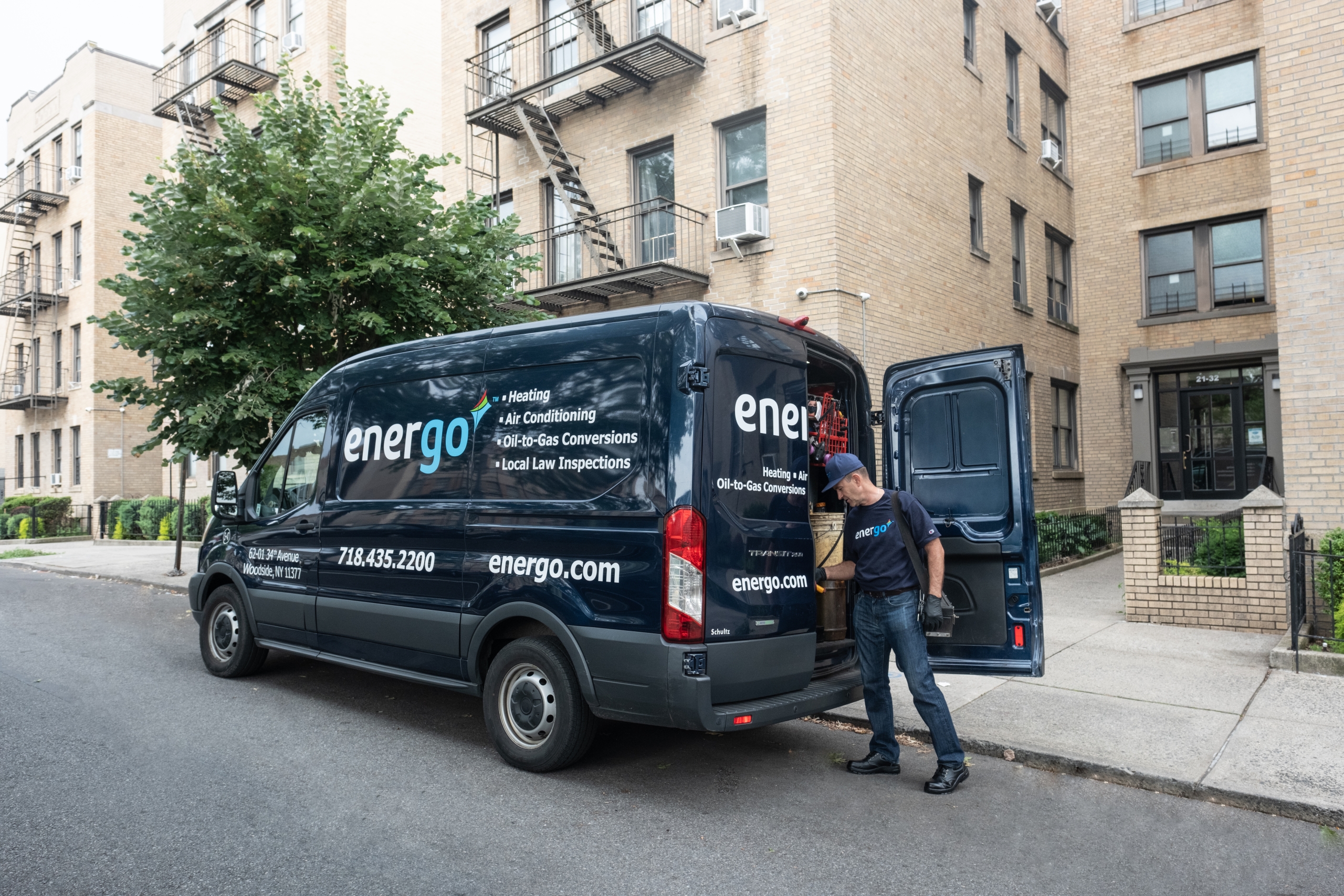




What Triggers a Gas Pipe Inspection in NYC? Requirements Every Building Owner Should Know
Gas inspections in New York City aren’t just “nice to have.” In many situations, they’re required—and the requirement often shows up at the worst possible time: when a permit is on hold, when gas service is off, or when a project can’t close out.
Why Extreme Cold Causes Failures in NYC Commercial Heating Systems
When temperatures plunge across, commercial heating systems in NYC are pushed into conditions they rarely experience during an average winter. Buildings that seemed stable in December can suddenly struggle in January. Equipment that passed inspections can show unexpected weaknesses.