This guide explains:
- Why buildings are switching to electric heat
- What electric heating systems are available
- The step-by-step conversion process
- What costs and incentives to expect
Why Are NYC Buildings Switching From Oil to Electric Heat?
1. The No. 4 Oil Phase-Out
New York City requires buildings to eliminate No. 4 heating oil by 2030. Many buildings that still rely on No. 4 must convert to:
- No. 2 heating oil
- Natural gas
- Dual-fuel systems
- Or electric heat
Electrification is increasingly viewed as a long-term compliance strategy because it eliminates on-site combustion.
2. Local Law 97 Emissions Limits
Local Law 97 places carbon caps on buildings over 25,000 square feet. These caps become stricter in 2030.
Because electric systems do not burn fuel on-site, they can reduce building-reported emissions — particularly as New York State increases renewable energy on the grid.
Electrification does not automatically eliminate emissions penalties, but it can be part of a broader carbon reduction strategy.
3. Operational & Environmental Benefits
Electric heating systems offer:
- No oil storage tanks
- No fuel deliveries
- No combustion exhaust stack
- Reduced on-site emissions
- Fewer combustion-related maintenance issues
However, they increase reliance on electrical infrastructure, which must be evaluated carefully.
What Electric Heating Options Are Available for Commercial Buildings?
There is no one-size-fits-all solution. System selection depends on:
- Building size
- Heating load (BTUs required)
- Electrical capacity
- Available space
- Budget
1. Electric Boilers
Best for: Buildings with existing hydronic systems (radiators, baseboard heating).
Electric boilers heat water using resistance elements instead of burning fuel.
Advantages:
- Familiar layout for existing boiler rooms
- No chimney or flue required
- Straightforward mechanical design
Considerations:
- High electrical demand
- Often requires service upgrades
- Operating costs depend heavily on electric rates
2. Heat Pumps (Air-Source or Ground-Source)
Best for: Buildings seeking high efficiency and long-term carbon reduction.
Heat pumps move heat instead of generating it. Modern cold-climate heat pumps can operate effectively even during NYC winters.
Advantages:
- High efficiency
- Provides both heating and cooling
- Lower operating emissions
Considerations:
- Requires outdoor space (roof or yard)
- May require backup heat during extreme cold
- More complex installation
3. Electric Unit Heaters or Infrared Systems
Best for: Warehouses, garages, manufacturing spaces, and large open areas.
Advantages:
- Targeted zone heating
- Lower installation complexity
- Suitable for industrial layouts
Considerations:
- Not ideal for multi-zone residential buildings
- May not integrate with central HVAC systems
Step-by-Step: How to Convert From Oil Heat to Electric Heat in NYC
Step 1: Conduct a Building Energy Audit
Before selecting equipment, determine:
- Peak heating load (BTUs required)
- Insulation performance
- Window condition
- Current system efficiency
- Existing electrical service capacity
Load calculations are critical. Oversizing or undersizing equipment leads to performance and cost issues.
Step 2: Select and Size Equipment
Work with an experienced NYC HVAC company to:
- Model winter heating demand
- Determine if backup heat is required
- Compare operating costs
- Evaluate long-term emissions impact
Step 3: Evaluate Electrical Infrastructure
Most older NYC buildings were not designed for large electric heating loads.
Upgrades may include:
- Service entrance upgrades
- New switchgear
- Transformer coordination with Con Edison
- Electrical panel expansion
- Distribution wiring upgrades
Step 4: Secure Permits and Utility Approvals
Conversion typically requires:
- NYC Department of Buildings permits
- Electrical permits
- Mechanical filings
- Utility coordination
Step 5: Phased Installation
To avoid loss of heat in occupied buildings:
- Keep oil system operational during installation
- Commission electric system first
- Transition in phases
Step 6: Testing & Commissioning
Before retiring oil equipment:
- Conduct full load testing
- Verify system response in cold weather
- Confirm zone controls function properly
- Document performance
What Does It Cost to Convert to Electric Heat?
Costs vary widely depending on:
- Building size
- Existing infrastructure
- Electrical capacity
- System type (boiler vs. heat pump)
- Permit and engineering requirements
For many NYC buildings, electrical upgrades are the largest expense. Conversion should be evaluated as a long-term capital improvement, not just a fuel switch.
What Incentives Are Available?
Incentives change frequently, but building owners may explore:
- NYC Clean Heat incentives (varies by project scope and timing)
- NYSERDA heat pump rebates
- Con Edison electrification programs
- Federal tax credits under the Inflation Reduction Act
- Financing programs for energy efficiency upgrades
Eligibility depends on system type and compliance goals. Incentives should be reviewed during early planning — not after installation.
Final Thoughts: Plan Early, Avoid Rushed Conversions
The 2030 No. 4 oil deadline is fixed. Local Law 97 penalties will increase over time.
Electrification can:
- Improve regulatory positioning
- Reduce on-site emissions
- Eliminate oil storage risks
- Modernize aging heating infrastructure
But successful conversion requires:
- Proper engineering
- Realistic budgeting
- Utility coordination
- Phased execution
Building owners who begin planning early have more flexibility, better incentive access, and fewer compliance risks. Begin planning your oil-to-electric transition now to protect your building from compliance penalties and position it for long-term efficiency.

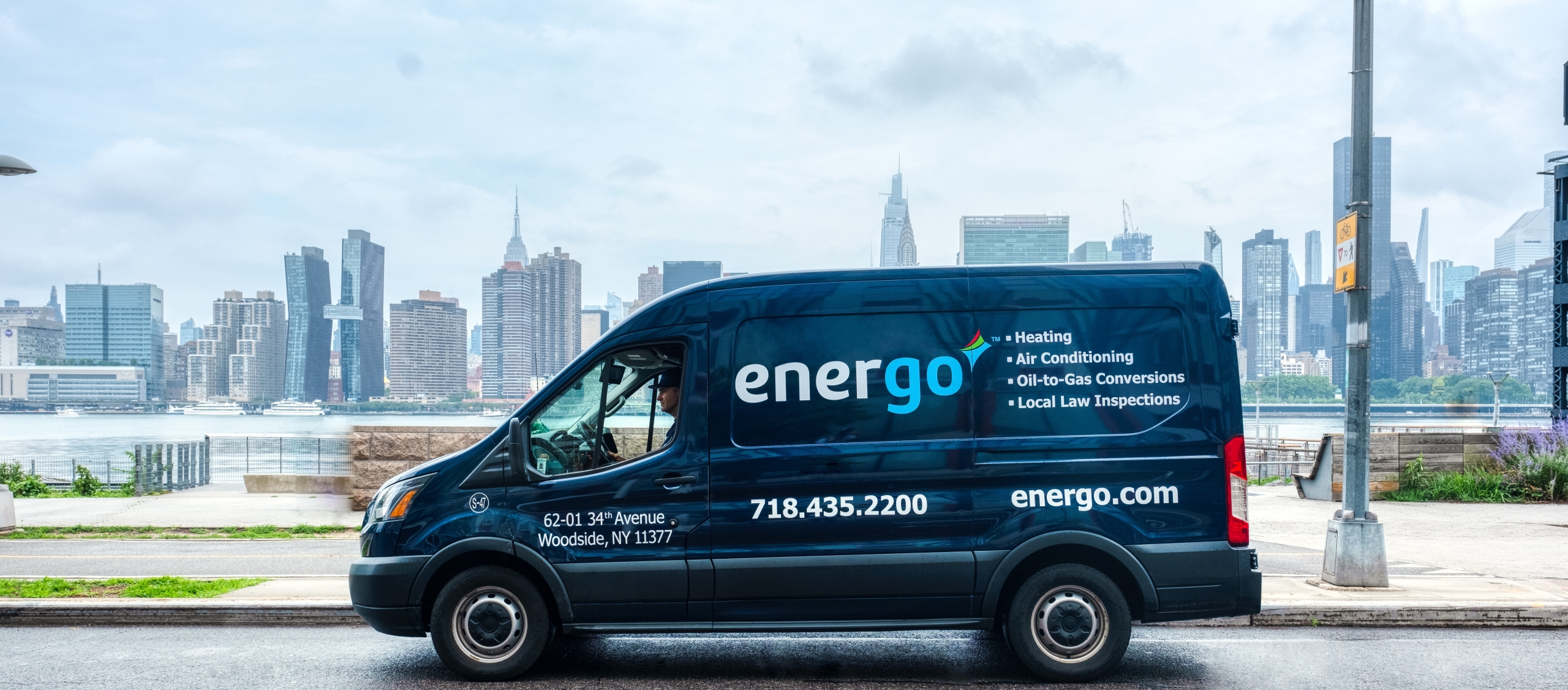




How to Convert from Oil Heat to Electric in NYC Commercial Buildings
If you own or manage a commercial building in New York City, electrification is no longer a future concept — it is a planning issue today. With No. 4 heating oil required to be phased out by 2030 under Local Law 32, and carbon emission limits tightening under Local Law 97, many building owners in Manhattan, Brooklyn, Queens, the Bronx, and Staten Island are evaluating whether converting from oil to electric heat makes financial and regulatory sense.
Brooklyn Commercial Buildings: Will Heating Systems Work During a Power Outage?
If you own or manage a commercial building in Brooklyn, this question matters more than most. When a winter storm hits New York City and the lights go out, tenants don’t ask what kind of heating system you have. They ask one thing: “Will we still have heat?”