Verify Licensing and Insurance First
In NYC, HVAC work often intersects with regulated systems such as gas piping, boilers, and electrical infrastructure. That means credentials matter.
Any contractor performing boiler or gas-related work must operate under appropriate NYC trade licenses. For example, gas piping and certain boiler connections require a NYC Licensed Master Plumber. Electrical components must be handled by licensed electricians. Oil burner work requires proper installer credentials.
Do not accept verbal confirmation. Ask for license numbers and verify them through the NYC Department of Buildings database.
Insurance is equally important. A qualified commercial HVAC contractor should carry general liability coverage, workers’ compensation insurance, and umbrella coverage for larger projects. Request certificates of insurance and confirm coverage limits appropriate for your building size.
If a contractor cannot provide documentation quickly, that hesitation should concern you.
Confirm Real Commercial Experience
Commercial HVAC systems in NYC are fundamentally different from residential systems in both scale and complexity.
Before hiring a contractor, ask about their direct experience with buildings similar to yours. That includes:
-
Central steam boiler systems
-
Hydronic heating systems
-
Rooftop units serving multi-tenant spaces
-
Large domestic hot water systems
-
Multi-zone cooling systems
-
Oil-to-gas or dual-fuel conversions
A contractor who primarily installs residential split systems may not be equipped to diagnose or maintain a 100,000-square-foot mixed-use property in Manhattan or Brooklyn.
Request examples of similar buildings they currently service. Experience reduces downtime, prevents misdiagnosis, and shortens repair cycles during peak heating season.
Evaluate Their Knowledge of NYC Codes and Local Laws
In New York City, HVAC work is closely tied to compliance obligations.
A qualified contractor should understand how their services intersect with:
If your contractor cannot explain how maintenance, retrofits, or equipment upgrades affect compliance timelines, they are not operating at a commercial level.
The right HVAC partner helps you stay ahead of inspections — not scramble after violations.
Look for Structured Maintenance Programs
Reactive service alone is not enough for commercial buildings. Preventative HVAC maintenance is what stabilizes performance and reduces emergency repair costs.
A professional contractor should offer commercial HVAC service agreements that include seasonal inspections, combustion analysis, control calibration, filter replacements, and documented performance checks.
These programs do more than extend equipment lifespan. They create documentation that supports compliance and budgeting.
Ask how maintenance schedules are structured and whether you receive written reports after service visits. Transparency matters.
Clarify Response Expectations During Heating Season
Every contractor will claim they are responsive. Few define what that means.
Ask specifically:
-
How are calls prioritized during extreme weather for commercial buildings?
-
Do contract customers receive priority scheduling?
-
What are realistic response time expectations?
-
Is there a dedicated dispatch team?
In NYC winters, service capacity is tested. Clear expectations prevent frustration when demand spikes across Brooklyn, Queens, Manhattan, and the Bronx simultaneously.
No contractor can guarantee instant service during citywide emergencies, but a reliable one will set honest response expectations and communicate clearly.
Compare Proposals Carefully — Not Just Prices
Commercial HVAC proposals should be detailed and itemized.
A professional estimate should clearly outline labor, equipment specifications, parts, permit fees, and timelines. Avoid lump-sum proposals that do not explain scope.
When comparing contractors, consider:
-
Is the scope of work identical?
-
Are permits included?
-
Is disposal of old equipment included?
-
Are warranty terms clearly stated?
-
Are there assumptions that could lead to change orders?
A low bid often excludes critical elements that resurface later as additional charges. Evaluate completeness and clarity, not just cost.
Review Contract Terms Before Signing
Before approving any project or service agreement, confirm that the written contract clearly defines:
-
Scope of work
-
Payment structure
-
Warranty terms
-
Permit responsibilities
-
Timeline expectations
Ambiguity creates disputes. Clear contracts protect both parties and reduce operational friction later.
Check Reviews and Speak to References
Reputation is measurable.
Search online reviews and look for patterns related to responsiveness, communication, and billing transparency. One negative review is not unusual. Repeated complaints about missed appointments or surprise charges are more concerning.
Ask the contractor for recent commercial references. Ideally, speak with other property managers who oversee buildings similar to yours. Ask about responsiveness during heating season and whether projects stayed within budget.
Direct feedback often reveals more than marketing materials.
Consider Local Presence and Service Area Coverage
Contractors actively servicing Brooklyn, Queens, Manhattan, Staten Island, the Bronx, and Westchester are better positioned to respond quickly and navigate local permitting processes.
Local familiarity reduces friction during compliance inspections in NYC and accelerates coordination with DOB and utility providers.
Proximity does not replace qualifications, but it does influence responsiveness.
Red Flags That Should Give You Pause
Some warning signs are clear:
-
High-pressure upgrade recommendations without documented diagnostics
-
Refusal to provide licensing documentation
-
Vague or inconsistent answers about permits
-
Unrealistic completion timelines
-
Lack of formal service agreements
A commercial HVAC contractor should operate like a long-term partner, not a transactional vendor.
Final Thought: Choose a Long-Term Partner
Commercial HVAC systems are core infrastructure. The right contractor reduces emergency disruptions, supports compliance obligations, and extends the life of your mechanical systems.
In New York City’s regulatory environment, experience, transparency, and accountability matter more than promotional pricing.
Invest time in due diligence. Your building performance — and your tenants’ comfort — depend on it.

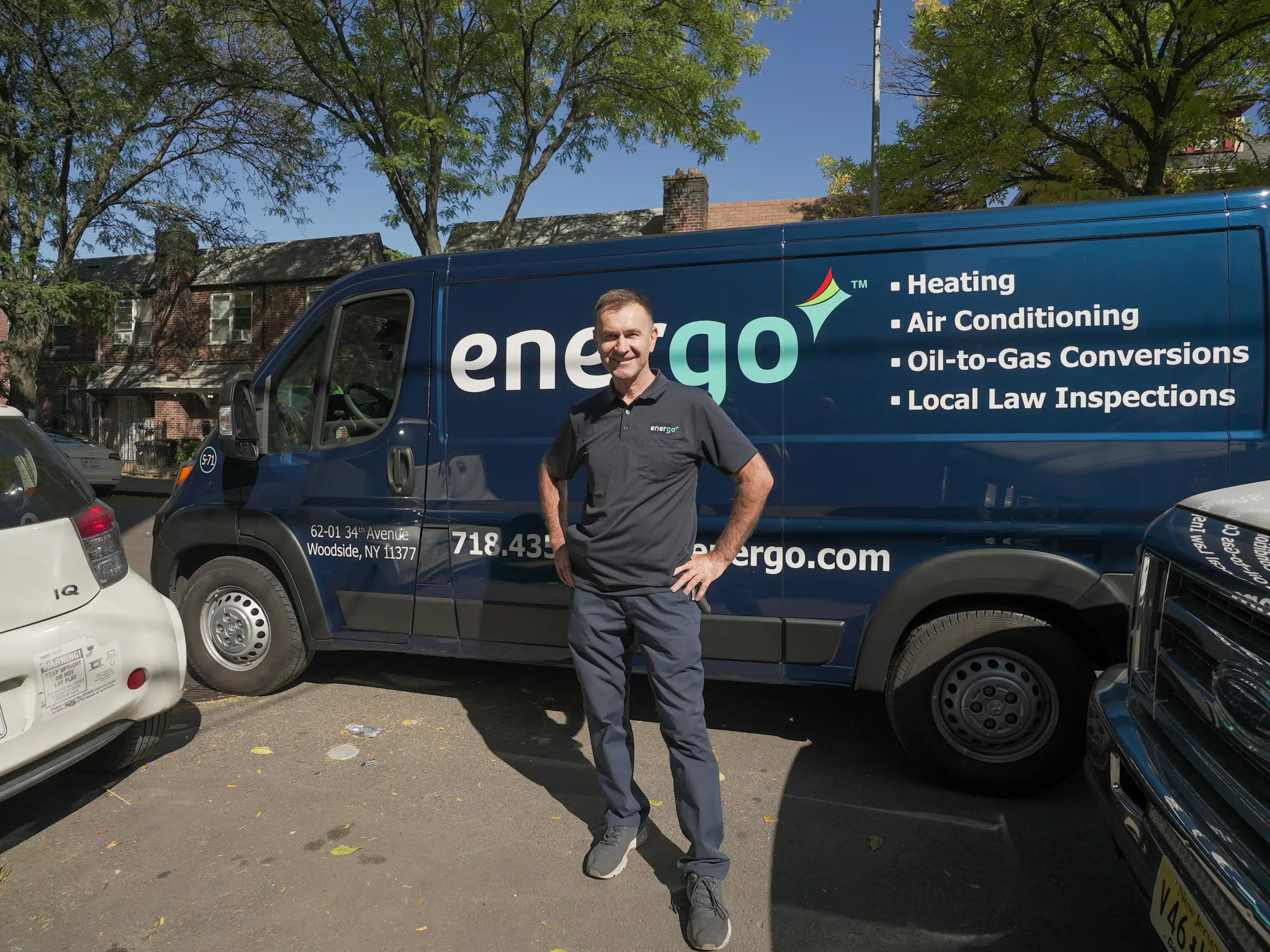



How to Choose a Commercial HVAC Company in NYC
In NYC, HVAC work often intersects with regulated systems such as gas piping, boilers, and electrical infrastructure. That means credentials matter.
Any contractor performing boiler or gas-related work must operate under appropriate NYC trade licenses.
How NYC Building Energy Grades Are Calculated (And Why They Matter)
Walk into a large residential or commercial building in New York City and you may see a letter grade posted near the entrance: A, B, C, D, or F. That grade is not decorative. It represents your building’s publicly disclosed energy performance.