Here are three key things Manhattan residents should know about their heating oil delivery:
1. NYC Heating Oil Is Cleaner “Bioheat” by Law
New York City has phased in cleaner fuel standards requiring that all heating oil delivered in the city be ultra-low sulfur and blended with renewable biodiesel (marketed as Bioheat). This means whenever you get a delivery in Manhattan, you’re likely receiving a Bioheat blend that burns cleaner and emits fewer pollutants, while still keeping your home just as warm. Additionally, the city is phasing out the dirtiest fuel oils – No. 6 oil has already been eliminated, and No. 4 heating oil must be phased out by 2027, after which only cleaner No. 2 oil (Bioheat) or natural gas can be used. In short, Manhattan residents should know their heating oil is cleaner than in decades.
2. Consumer Protections and Choosing Reputable Suppliers
Heating oil delivery in NYC is tightly regulated to protect residents from fraud or inaccurate measurements. Each year, the Department of Consumer and Worker Protection (DCWP) inspects delivery truck meters and places an official seal to certify accuracy—something you should always look for before accepting a delivery. Choosing a licensed, reputable supplier with a clean record (you can dial 311 to check a company’s complaint history) adds another layer of protection. Unfortunately, scams have existed in the past, with some drivers caught pumping air into lines to inflate meter readings. The best safeguard is to monitor your tank gauge before and after delivery and compare it against the receipt, which by law must show the exact gallons delivered. A trusted company will also provide transparent contracts and responsive customer service, giving Manhattan residents peace of mind that they’re getting exactly what they pay for.
3. Delivery Options and Never Running Out of Fuel
In Manhattan, planning ahead for heating oil delivery is essential, especially with NYC’s strict winter heating requirements. Many suppliers offer automatic delivery programs that track your usage—often with degree-day data—and schedule refills before your tank gets low. This convenient “set it and forget it” option is highly recommended in the city’s dense urban setting, since it prevents the risk of running out of oil during a January cold snap.
The alternative is will-call delivery, where you monitor your own tank and contact the supplier when it’s time for a refill. While this gives you more control over timing, it also requires diligence—forgetting to call could leave you without heat on a freezing night, something no Manhattan resident wants to experience. Because NYC law requires minimum indoor temperatures during “heat season” (Oct. 1–May 31), landlords and building owners must provide heat to tenants whenever it’s cold. That means running out of commercial heating fuel simply isn’t an option in Manhattan.
The Bottom Line
The smartest way to avoid problems is to enroll in automatic delivery—or, if you prefer will-call, keep a close eye on your tank. In Manhattan’s regulated heating environment, timely deliveries are critical, and working with a local supplier who knows NYC’s logistics ensures your fuel arrives on schedule despite traffic or weather delays.
Contact us to see how we can help with your oil delivery!

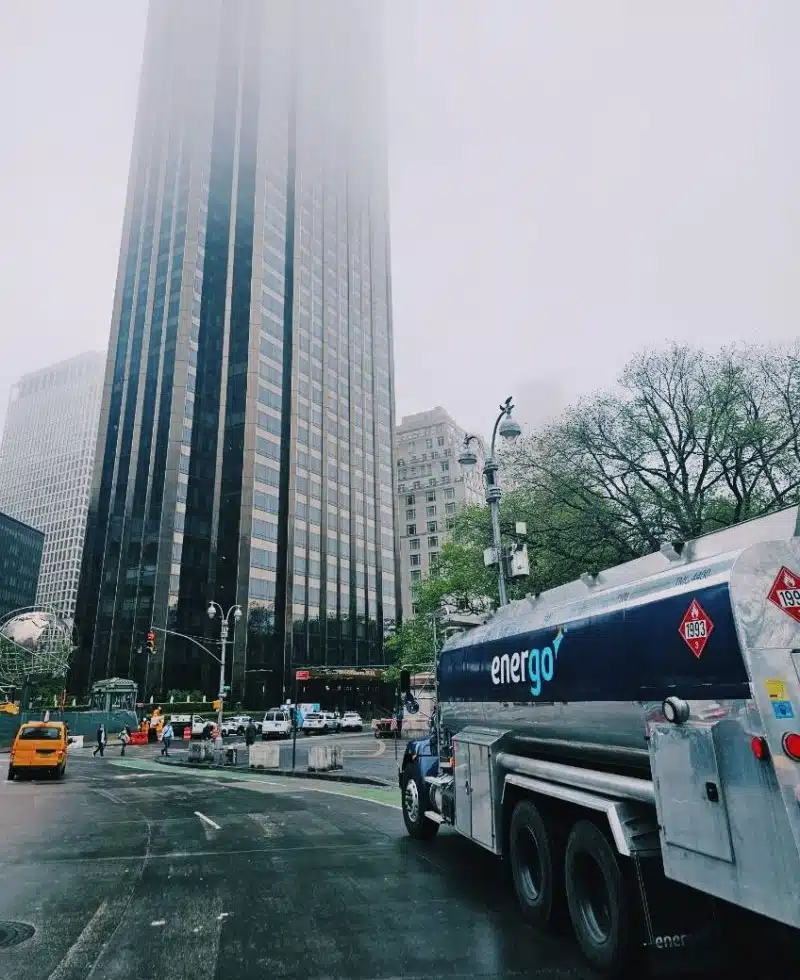




Why Heating Oil Delivery Is Challenging in NYC — and How It’s Handled
Delivering heating oil to a suburban house on a wide street is one thing – delivering to a Manhattan brownstone on a narrow, parking-scarce block is another. In dense urban neighborhoods like New York City, heating oil delivery comes with unique challenges.
When Heating Oil Will Be Phased Out in NYC: The Real Timeline for Buildings
Heating oil is not being banned all at once in New York City — but it is being phased out in clear, enforceable stages. The phase-out of heating oil in NYC buildings began more than a decade ago with the elimination of the dirtiest fuel oils and continues through a series of enforceable deadlines that extend into the 2030s and beyond.