What’s the Difference Between a Boiler and a Furnace?
Q: How do boilers and furnaces heat a building?
A: Water vs. Air. A boiler heats water to circulate through pipes to radiators or baseboards, providing radiant heat. A furnace, in contrast, heats air and uses a blower to push warm air through ductwork to vents. In simple terms, boilers deliver heat via hot water/steam, while furnaces deliver heat via forced warm air.
-
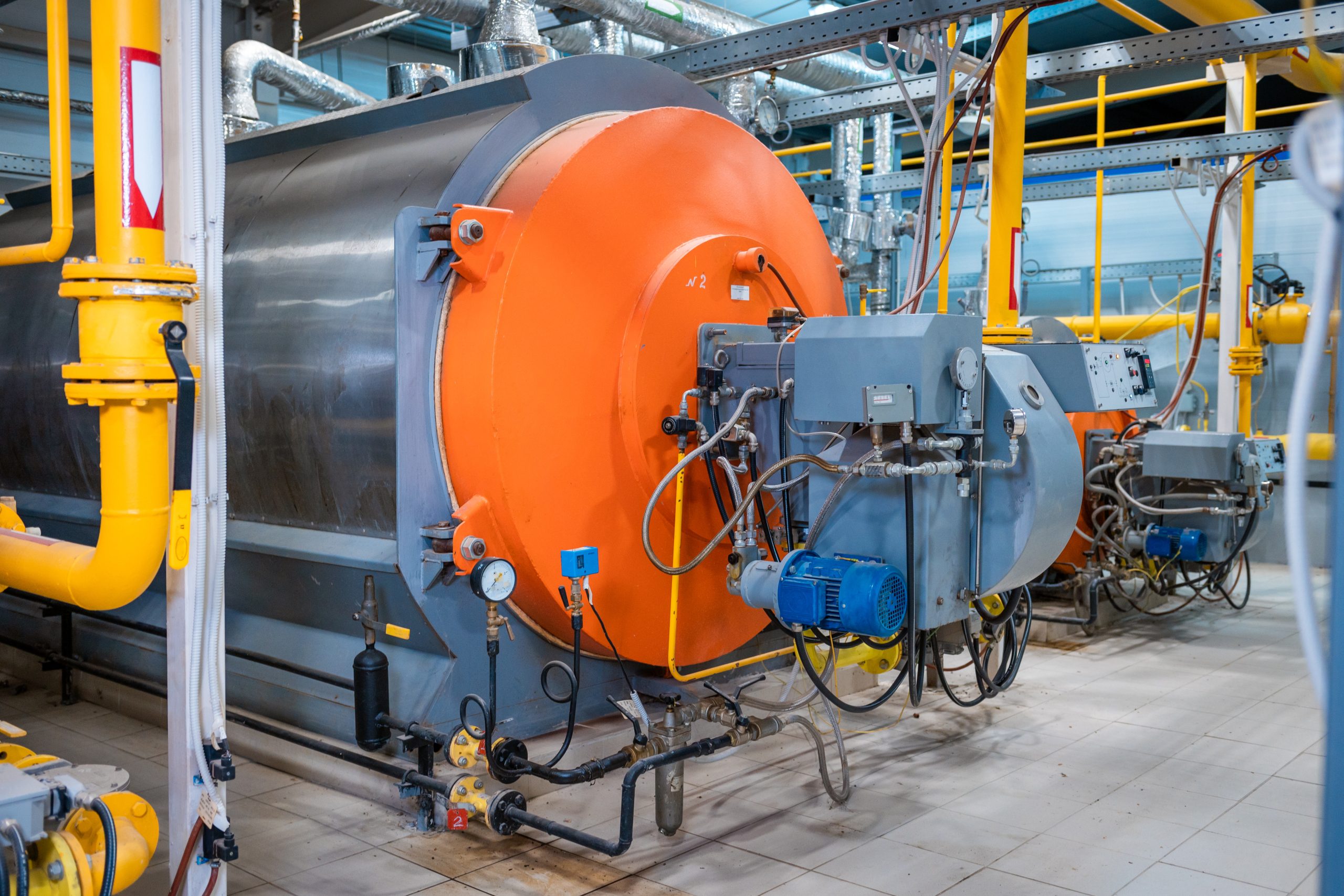
Boiler systems (hydronic heat): Often found in NYC’s older buildings, boilers produce either hot water or steam that travels through a network of pipes to radiators in each room. The result is a gentle, consistent heat – radiators stay warm even after the boiler cycles off, helping maintain steady temperatures. Boilers also run quietly with no fans, and they don’t blow dust or allergens around, which means better indoor air quality and comfort. Many boilers can double as the building’s hot water source as well. However, boilers typically have higher upfront installation costs and require water pipes and radiators in every space, which can be a challenge to retrofit in buildings without them.
-
Furnace systems (forced-air heat): Common in many suburban homes and some newer NYC constructions, furnaces heat air and distribute it through ducts and vents. A furnace ignites fuel (natural gas or oil) in a heat exchanger, warming the air that a blower fan sends through ductwork. Furnaces heat spaces quickly and can use the same ducts for central AC in summer, an important consideration if you want integrated cooling. They also generally cost less to install than boiler systems, especially if ductwork is already in place. On the downside, forced-air heat can be noisier and draftier – you may hear the blower or feel fluctuations when the furnace cycles on and off. Rooms farther from the furnace or thermostat can experience uneven temperatures. The airflow also requires regular filter changes to maintain air quality and efficiency.
In summary: Both systems can keep a building warm, but the boiler’s radiant heat offers quiet, even warmth (ideal for those seeking comfort and minimal noise), while the furnace’s forced air offers speed and lower install cost (ideal for quick heating and AC integration). In NYC, this fundamental difference plays out in what type of buildings typically use each system.
NYC Building Types: Which System Fits Your Borough?
Q: Do NYC’s boroughs favor boilers or furnaces?
A: It often depends on the building’s age and style. Heating preferences in New York City are closely tied to the city’s architecture and eras of construction:
-
Manhattan & Brooklyn (Pre-War Buildings): Many apartment buildings and brownstones built in the early 20th century rely on boiler-based radiator systems. For example, steam radiator heat is common in pre-war Manhattan and Brooklyn brownstones, which were designed with central boilers and pipe networks. These buildings typically lack ductwork (many pre-war structures were built long before forced-air systems became common), making boilers the practical choice even today. Property managers of a West Village townhouse or an Upper West Side co-op will likely be dealing with a boiler and radiators – often the original system that has been upgraded over time. The upside is residents often appreciate the cozy, “old-school” radiant heat. (In fact, some NYC homeowners argue that radiator heat is superior to forced air for comfort.) The challenge is ensuring these older systems run efficiently and leak-free, and deciding whether to modernize or stick with tradition during renovations. Retrofitting a 1900s brownstone with ductwork for a furnace can be cost-prohibitive and space-consuming, so many Manhattan/Brooklyn property owners opt to upgrade the boiler or convert steam to hot water rather than switch to forced air.
-
Queens & Staten Island (Low-Rises and Houses): In more suburban-like boroughs such as eastern Queens and Staten Island – areas with many one- and two-family homes or garden apartments – forced-air furnaces are more common, especially in post-war and newer construction. These homes often were built with space for ducts or had central air conditioning added, so a furnace with ducts made sense. For instance, a two-story home in Bayside, Queens or a detached house in Staten Island might use a gas furnace with ductwork, providing both heating and cooling through the same vents. That said, boilers are certainly present in these areas too (plenty of older houses and rowhomes in Queens still have boilers and baseboard or radiator heat). In mixed-use or small multi-family properties (say a 3-story walk-up in Astoria or Flushing), you might even see individual heating systems per unit – one apartment might have its own small boiler or furnace. The key is that Queens and Staten Island show a mix, but furnaces become more prevalent where buildings resemble suburban layouts.
-
The Bronx & Upper Manhattan (Newer Multifamily vs. Vintage): The Bronx has a combination of large pre-war apartment buildings (which, like Manhattan, typically have boiler/radiator systems) and newer mid-rise complexes or rehabilitated units. In some newer Bronx multifamily developments, builders have installed furnace-based HVAC to allow each unit to have its own thermostat and to easily incorporate central A/C. For example, a recently constructed 4-story apartment building in the Bronx might feature individual high-efficiency furnaces for each apartment or a shared rooftop HVAC unit for all. Meanwhile, classic Bronx co-ops or older tenements still use centralized boilers for steam or hot water heat. As a property manager, you should evaluate the infrastructure: if the building has existing ducts or was designed in the late 20th century, a furnace system might already be in place (or be a viable option). If it’s a land-marked pre-war building off the Grand Concourse, a boiler is likely part of its DNA.
-
Westchester & Nassau (NYC’s Suburbs): Step just outside the city, and you’ll find that furnaces dominate many suburban homes in Westchester County and Nassau County. In these areas, forced-air heating (often oil or gas furnaces) became standard in the mid/late 20th century. Homes in White Plains or Garden City, for instance, frequently have ducted heating and cooling. However, there are also older homes (Victorians, colonials, etc.) in Westchester with boiler systems, similar to those in the city. If you manage properties in these counties, keep in mind local codes and fuel availability in NYC area – many Nassau homes ran on oil furnaces historically, while Westchester had a mix of oil boilers and furnaces, with a trend toward efficient gas furnaces in newer builds. The climate is the same as NYC, so the considerations of efficiency and comfort apply equally. Energo’s service area covers NYC’s five boroughs as well as Westchester and Nassau, so we have on-the-ground knowledge of these regional differences.
Key Takeaway: Boilers vs. furnaces in NYC often break down along age and infrastructure lines. If you’re managing a classic pre-war apartment in Manhattan or a Brownstone in Park Slope, you’re likely dealing with a boiler system – and sticking with a boiler (perhaps upgrading to a modern one) is usually the path of least resistance. On the other hand, if you oversee a post-war building in the Bronx or a suburban-style development in Queens, furnaces and packaged HVAC units might be part of the design. Always consider your building’s layout: installing new ductwork for a furnace in a historic building may sacrifice too much space and architecture, whereas adding a boiler and radiators to a modern open-layout building would be equally impractical. Each borough’s building stock has its quirks, and the best heating system choice will “fit” the building’s bones.
Also note, both boilers and furnaces must meet NYC’s evolving energy and emissions standards — Energo can help property managers evaluate options that align with Local Law 97 and future fuel requirements.





Bronx Heating Oil: What to Expect This Winter (Delivery, Demand & Fuel Trends)
Heating oil in the Bronx continues to play a major role across supporting everything from one- to four-family homes to large multifamily buildings and mixed-use properties.
Residential Heating Oil in the NYC Area: No. 2 Heating Oil, Bioheat Fuel & Pricing Explained
For many homes across the NYC area — particularly in home heating oil in Brooklyn, Queens, the Bronx, Staten Island, Westchester, and Nassau — heating oil remains one of the most reliable and efficient ways to stay warm through the winter.