In this article, we’ll explore why NYC brownstones tend to lose heat faster than modern buildings, and importantly, how oil-heated homes can compensate for those quirks to stay toasty. We’ll cover:
- The structural and design reasons brownstones are drafty or quick to cool (think: old construction methods, lack of insulation, etc.)
- Common heating challenges in brownstones (like uneven heating, rapid heat loss through big windows and brick walls)
- Solutions and tips specifically for oil-heated brownstones – from tuning your boiler to small fixes like window insulation – that will help you maintain comfort even when the heat tries to escape.
Whether you’re a new owner of a Brooklyn brownstone or you manage a row of historic townhouses, these insights will help you make the most of your heating system and keep your classic home cozy all winter.
Why Do Brownstones Lose Heat So Quickly?
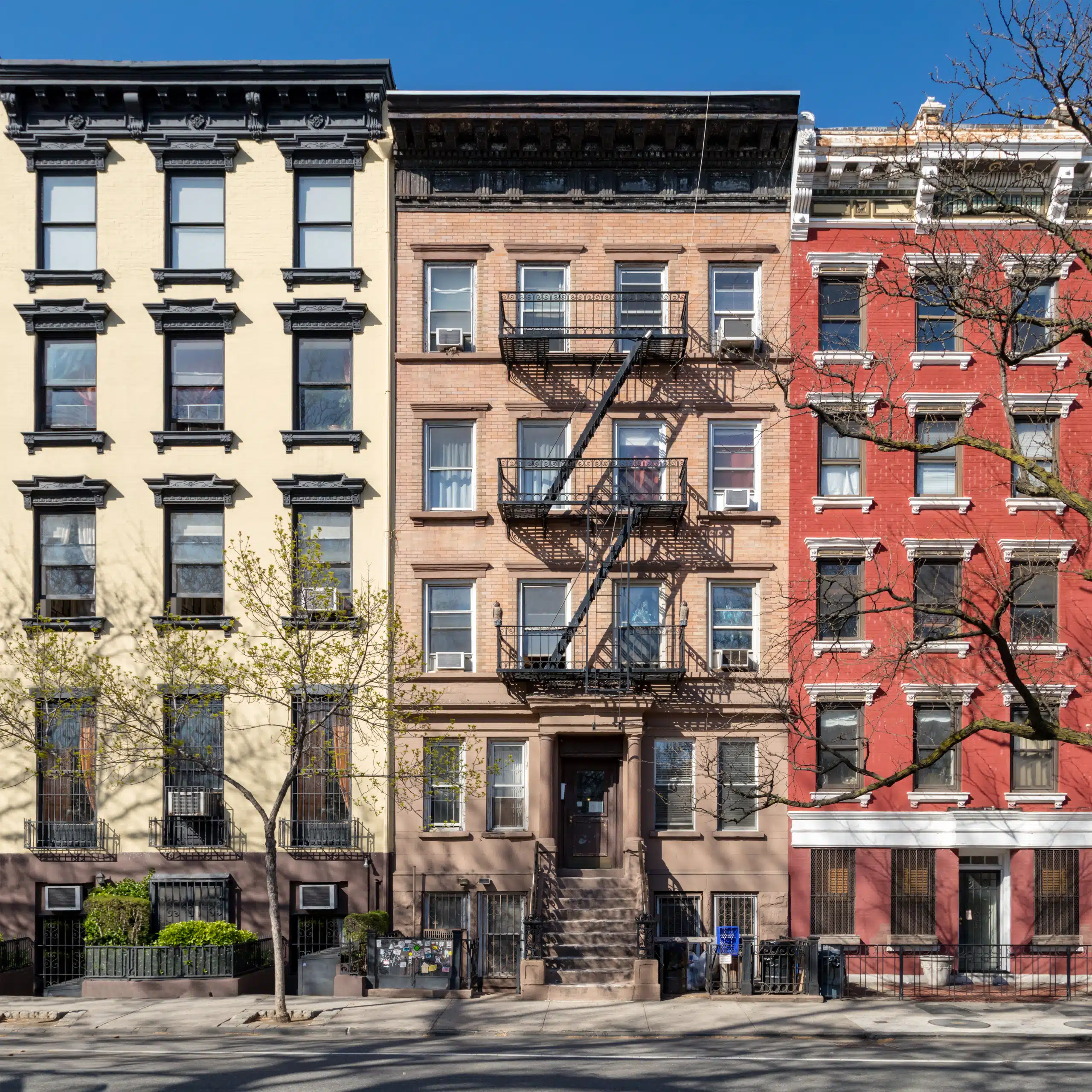
Brownstones were mostly built in the late 19th to early 20th centuries, long before modern energy codes. They have some inherent characteristics that make them prone to heat loss:
- Masonry Walls with Little Insulation: Brownstones typically have thick brick or brownstone facades and masonry party walls. Back in the 1800s, they didn’t insulate walls like we do now. Solid brick actually has a pretty low R-value (insulation measure). In winter, those walls get cold and act like giant radiators – but in reverse, radiating your interior heat out to the cold outdoors. Touch an exterior wall on a January day – it likely feels cold. Heat conducts through the bricks relatively easily, meaning warmth from inside seeps outward.
- Large Single-Pane Windows: Many brownstones feature big windows, often original or vintage-style single-pane glass. Those beautiful tall windows unfortunately allow a lot of heat transfer. Single panes are drafty and have essentially no insulation value. Even with storm windows, they’re nowhere near as tight as modern double or triple-glazed windows. You might feel a chill when sitting near them – that’s heat leaving your cozy room to the outside.
- High Ceilings: It’s common for brownstone parlors and bedrooms to have 10-foot or higher ceilings. While elegant, high ceilings cause warm air (which rises) to hang out up high above the living zone. Your thermostat might read the room as warm enough (because perhaps it’s near mid-level), but down where you sit or where your feet are, it’s cooler. Also, when heat turns off, all that hot air up top quickly loses heat to the ceiling and walls and then sinks as it cools. The effect: the space might feel warm right when the steam radiator or furnace is running, but shortly after it stops, the room can feel chilly again because the heat stratified and dissipated.
- Drafty Construction: These are older buildings – there are often many little gaps and air leaks. For instance, fireplaces in brownstones (even if sealed) can leak air. Old doors and transoms, gaps around window frames or where floors meet walls – all can let cold air in and warm air out. Plus, many brownstones are narrow but tall, essentially creating a chimney effect. Warm air can rise up through stairways and escape through any attic or roof cracks, pulling in cold air from below. In essence, a brownstone can behave like a drafty chimney, especially if not air-sealed.
- Exposed Facades: A row of brownstones often has front and back exposures directly to the elements. The front facade is often stone that gets wind, rain, and snow on it – making it cold and damp in winter. The back is usually brick. Both present a lot of surface area for heat loss. Contrast this with a mid-floor unit in a modern apartment building that might only have one exterior wall – brownstones have multiple sides exposed if it’s an end unit or at least two if mid-row (front and back). And if it’s a corner brownstone, even more exposure to lose heat.
- Historic Features vs. Efficiency: Brownstones weren’t built with central heating originally – many had coal stoves or fireplaces in each room. Central boilers and radiators were retrofitted later. The design of the homes didn’t prioritize airflow or heat retention (they often prioritized ventilation to avoid stuffiness back in the day, ironically). So the architecture itself wasn’t optimized for heat containment.
Combine all these factors, and it’s clear why maintaining heat in a brownstone is challenging. Once your boiler cycles off, the heat starts escaping through walls, windows, and drafts pretty fast. The thermal mass of the structure can cool the interior if the heating isn’t frequent enough.
Heating Challenges Unique to Brownstones
If you live in a brownstone, you might experience issues such as:
- Uneven Heating Between Floors: Perhaps the ground floor is freezing while the top floor is boiling, or vice versa. This can happen due to how the heating distribution is set up (steam radiators might be sized differently, or air gets trapped in upper radiators if steam). Hot air rising means upper floors often get residual heat, while lower get drafts. In some brownstones, thermostats are on parlor level, so the basement level and top level never quite get the right share of heat.
- Rapid Temperature Swings: As described, right when the heat is on, it might feel overly warm (especially if you have steam radiators which get very hot), but soon after, it feels cold again. This on-off can be more pronounced in brownstones because of the lack of thermal buffering (insulation). Modern tight homes warm more gradually and cool gradually; a drafty brownstone might heat rapidly (radiators pumping heat into a small room) then lose it rapidly.
- High Heating Bills: To keep comfortable, many brownstone owners end up cranking the thermostat higher or the boiler runs longer. Naturally, this means burning more fuel oil (or gas), leading to big bills. The inefficiency of the envelope (walls/windows) means you pay for heat that literally flies out the window.
- Humidification Issues: Old steam heat in brownstones can actually make the air very dry (steam systems add some moisture but usually not enough to offset cold dry air infiltration). Dry air feels cooler, so you might feel cold even at normal temperatures. Also, dry air can cause more static and discomfort.
- Preservation vs. Comfort Trade-off: Many brownstone owners cherish the original features (old windows, plaster walls) and are hesitant to alter them for efficiency (like you may not want to rip out walls to add insulation, or replace lovely wood windows with new ones). Thus, you try to make do with what’s there, which may mean tolerating a bit less comfort or finding workarounds.
So how do we tackle these? Especially focusing on oil-heated homes (which most brownstones are, either via oil-fired boilers for steam or hot water radiators)?
How Oil-Heated Homes Can Compensate for Heat Loss
Home heating oil in NYC buildings actually have some advantages:
- Oil burners deliver high BTU output and can heat up a home fairly quickly.
- Steam heat (common in brownstones) provides that intense warmth that can help offset drafts when it’s on.
- Oil heat also often comes with the potential for high-efficiency upgrades (modern oil boilers can be 85%+ efficient, and some steam systems can be tuned for better efficiency too).
Here are strategies to make your oil-heated brownstone more comfortable and efficient:
1. Tune and Upgrade Your Heating System
Ensure your oil boiler or furnace works efficiently:
- Annual Tune-Up: Schedule your annual oil burner service. A clean, well-adjusted burner puts out more heat per gallon without sooting up. Ask the technician to check that the aquastat (for hot water systems) or pressuretrol (for steam) is set optimally. Sometimes lowering the steam pressure to just what’s needed or optimizing boiler temperature can improve comfort and save fuel.
- Balancing Radiators: If you have steam radiators, have an expert balance the system. They can adjust or replace radiator air vents so that steam distributes evenly. For instance, larger vents on top floor radiators can help them heat at the same pace as lower ones, reducing unevenness. Insulating steam pipes in the basement can also ensure more heat gets to the radiators instead of lost in transit.
- Upgrade Controls: Consider a modern thermostat that learns your home’s characteristics (smart thermostats) or even a steam heating control system that cycles the boiler based on outside temperature (like a Heat-Timer or similar device). These can prevent overheating and adjust boiler run times to just what’s needed for the weather, mitigating the big swings.
- High-Efficiency Boiler: If your boiler is old (20+ years) or oversized, upgrading to a new high-efficiency oil boiler could drastically improve performance. New boilers have better insulation, burners, and controls. If you have hot water radiators, you might even consider a two-stage or modulating burner that can fire at lower rates during milder weather – keeping a steadier heat output rather than all-or-nothing, which can help with the swings and fuel consumption.
- Zoning: In some brownstones, installing zoning controls (separate thermostats for different floors or areas with zone valves on a hot water system) can solve uneven heating. For steam, true zoning is hard, but there are systems that can somewhat control steam flow to certain parts of a building. If you have the ability (e.g., in a gut renovation), converting to a hot water circulation system with multiple zones could be a game-changer for comfort, though it’s an involved retrofit.
2. Improve Insulation and Air Sealing (Strategically)
You might not want to open every wall, but there are still ways:
- Attic/Roof Insulation: If your brownstone has an accessible attic or roof space, insulate it! Heat rises, and a lot escapes through the roof. Adding a layer of rigid foam or blown-in insulation on the attic floor or roof can significantly slow heat loss. This is often the easiest big impact because it doesn’t mess with interior aesthetics.
- Window Treatments: Use heavy thermal curtains or cellular shades on those large windows. At night especially, closing thick curtains will reduce drafts and heat loss through glass. There are some pretty stylish options that don’t detract from the historic character. During sunny days, open them to let sun help warm the rooms (solar gain).
- Weather-stripping and Caulking: Identify draft sources – common ones are around windows, doors, baseboards, and ceiling fixtures. Add weather-stripping to exterior doors (brownstone doors are often big and old – you can keep the look and still add discreet seals). Use rope caulk or clear silicone around window frames where you feel cold air. Even installing a simple door sweep on the front and back doors can stop a lot of cold air infiltration.
- Fireplace Plugs: If you have old fireplaces, consider chimney balloons or plugs that block the flue when not in use. A ton of heat can go out through an open chimney. Or have a chimney cap damper installed that you can close tightly.
- Rugs and Floor Insulation: Brownstones often have uninsulated floors (especially over an unheated basement). Throw rugs or carpeting can help insulate floors and keep your feet warm, which psychologically makes a huge difference. If you own the building and can insulate the basement ceiling or crawlspace beneath, do so – it will keep the first floor warmer.
- Internal Storms or Panels: If you can’t replace single-pane windows (due to landmark rules or preference), consider internal storm windows or insulating panels for the winter. There are magnetically attached interior storm windows that are nearly invisible but add an extra layer of glass/plastic, cutting drafts. Even the shrink-film window kits can help in a pinch – they create an air gap that insulates the window somewhat.
- Insulate Behind Radiators: If you have radiators on external walls (common in brownstones, under windows), put reflective foil-faced foam board behind them (there are radiator reflector panels made for this). It bounces heat back into the room instead of letting the wall absorb it. It’s cheap and easy – just cut to size and slide behind (shiny side toward radiator).
3. Use Your Heating System Strategically
- Slightly Higher Constant Temp vs. Big Setbacks: In a drafty brownstone, you might not want to do huge thermostat setbacks at night. The reason is, reheating from a very low temp in the morning can be slow and might overwork the system, and meanwhile the walls get fully cold soaked. Sometimes it’s better to keep a moderately steady temperature (maybe drop just a couple degrees at night instead of, say, 10 degrees). The house will feel more consistently comfortable and the boiler will cycle more evenly. Because brownstones lose heat fast, a deep setback often won’t save as much fuel as in a tight house – the boiler will just run extra long to catch up and you might feel cold for hours. Experiment with what works.
- Supplemental Heat in Key Areas: If there’s that one room that’s always cold (maybe the garden-level office or a corner bedroom), instead of raising whole-house thermostat, you could use a small electric space heater there when occupied. That can be more efficient than overheating the rest of the house to satisfy that cold spot. But use safely and sparingly as electric rates in NYC are high. Similarly, an oil-filled electric radiator or a ductless mini-split heat pump in a problem area could provide targeted heat (bonus, mini-split gives A/C in summer too). Some brownstone owners install a mini-split on the top floor or north-facing rooms to balance things out.
- Humidity Help: Run a humidifier in winter. By keeping humidity around 40%, the air “feels” warmer and you might be comfortable at a slightly lower temperature. Plus, it’s healthier and helps preserve wood in your historic home. Just don’t over-humidify (that can cause condensation on those single-pane windows).
- Ceiling Fans (in reverse): If you have ceiling fans in rooms, run them on low in reverse (clockwise) during winter. This gently pushes the warm air near the ceiling down without creating a chilling breeze. It can even out the temperature in a high-ceiling room nicely.
- Close Off Unused Spaces: If you have rooms you rarely use (perhaps that third-floor spare bedroom), consider keeping the door closed and turning the radiator off or low in there (if possible) so you’re not heating it unnecessarily. However, don’t let it get so cold that you get condensation or freeze risk; just cooler than living spaces is fine. This reduces the volume you’re actively heating.
4. Maintenance of the Building Itself
- Over time, ensure pointing of brick and brownstone facade is in good shape; water infiltration can make walls colder and cause damage. A well-maintained exterior is slightly more energy efficient too.
- If replacing roofing or doing exterior renovations, slip in insulation where you can (e.g., insulating behind new walls or when redoing a roof, add insulation board under new roofing membrane).
- Work with landmark or local guidelines to see if certain NYC efficiency upgrades are allowed. Many historical districts now approve thin double-glazed custom windows that match original looks. Upgrading windows might be a pricey investment but can drastically improve comfort.
Embrace the Cozy Charm (with a Little Help)
At the end of the day, brownstones will never be as airtight as a new condo, but that’s part of their charm. You don’t have to sacrifice comfort to live in one, though. Using the robust heating power of your oil system efficiently and plugging the major heat leaks will go a long way.
Remember, a warm brownstone is also about balance – balancing historic preservation with modern comfort, balancing heating output with heat retention. With the tips above, you can enjoy those high ceilings and grand windows without shivering.
And if it ever feels overwhelming, know that companies like Energo are here to help. We’ve worked in countless NYC brownstones tuning boilers, upgrading systems, and advising owners on energy improvements that don’t ruin the character of the home. We love these old houses and want to keep them livable for generations to come.
Final Thoughts: Old Houses, New Tricks
Your NYC brownstone has stood for over a century – with a little care, it can absolutely keep you warm and snug through many winters ahead. It’s all about understanding its quirks and addressing them smartly.
So light that (safely sealed and vented) fireplace, feel the radiant heat of those cast iron radiators, and revel in the beauty of your home even as the January wind rattles the windowpanes. You’ve got this – and we’re here if you need a hand optimizing your oil heating or fortifying against the cold.
Stay Warm with Energo by Your Side
If you need assistance dialing in your brownstone’s heating system – maybe a boiler upgrade in NYC, radiator balancing, or just an efficiency consultation – Energo is ready to help. We’ve been the partner for trusted heating oil in Brooklyn, Manhattan, Queens, and beyond, including servicing hundreds of historic homes like yours.
Our experts can evaluate your current system and make personalized recommendations: perhaps a more efficient burner, adding a hot water loop for that chilly bathroom, or setting up a service plan to keep everything running tip-top. We’ll even walk through your home and point out simple weatherization fixes for your building that could make a big difference.
Don’t let your beautiful brownstone give you the cold shoulder. Let’s work together to keep it as warm and inviting as it looks. Contact Energo today for help with any heating needs or to schedule a service call. We’re all about making old homes feel new again when it comes to comfort.
Bundle up less and enjoy your home more – reach out to us and stay cozy all winter long!





How Long Will a 1/4 Tank of Oil Last in Winter
When your heating oil tank drops to a quarter full during winter, the most important question isn’t how much oil is left — it’s how fast you’re burning it. In cold weather, heating oil consumption can accelerate quickly, and many homeowners underestimate how little margin a 1/4 tank actually provides.
Why Some NYC Buildings Can’t Convert Off Oil—and What Owners Do Instead
New York City officials often encourage buildings to switch from oil heat to cleaner alternatives like natural gas or electric heat pumps. But on the ground, many buildings remain on heating oil – and not always by choice.