Bottom line: Don’t wait. With Community Districts 4, 6, 8, 9, and 16 (across multiple NYC boroughs) coming up for their next inspection cycle by the end of 2026, proactive planning is key. The DOB is tightening enforcement, and potential delays or fee increases mean that early action isn’t just wise – it’s financially smart. Whether you manage a Brooklyn brownstone, a Queens retail strip, a Manhattan high-rise condo, a Bronx apartment building, or even a Staten Island multifamily property, these Local Law 152 building updates affect you. Let’s dive into what’s changed and how to ensure your building remains safe and compliant.
What Are the New Local Law 152 Rules as of 2026?
In late 2025, NYC’s DOB adopted a set of rule changes to beef up Local Law 152 compliance. These amendments (taking effect in early 2026) streamline the process and enforce stricter oversight. Here are the key changes every property owner should know:
-
All-Digital Filing via DOB NOW: Say goodbye to mailed forms. All gas inspection filings will need to be submitted through DOB’s online portal (DOB NOW). This includes your periodic inspection certification, any extension requests, correction filings, and even “no gas” certifications for buildings without gas lines. Paper submissions are no longer accepted, and your documentation isn’t considered officially filed until it’s uploaded and accepted online. Plan accordingly to ensure you and your NY Licensed Master Plumber (LMP) have DOB NOW accounts set up.
-
New Filing Fees Introduced: For the first time, the city has attached filing fees to Local Law 152 paperwork. Property owners will pay:
-
$35 when submitting the Gas Piping Inspection Certification (the form that proves you completed the inspection).
-
$35 for any extension request if you need an extra 180 days past the deadline.
-
$35 to file a Certificate of Correction after fixing violations found in an inspection.
-
$375 for a Certification of No Gas Piping (a one-time filing if your building has no gas system at all).
-
$480 for documentation if your building has gas piping installed but no active gas service (e.g. a building that has gas infrastructure but isn’t currently using gas).
These fees may seem small next to potential fines, but they’re an extra cost to budget for. And note: if city budget needs change, fees could increase in the future – another reason to handle compliance sooner than later.
-
Expanded Inspection Scope: Local Law 152 inspections are more comprehensive. A new city law effective February 22, 2026 clarifies that commercial tenant spaces must be included in the gas piping inspection. (Previously, inspections focused on common areas and exposed piping in public spaces; now, if your building has stores, restaurants, or other commercial units with gas lines, those areas need checking too.) Residential apartments are still generally exempt from the inspection interior-wise, but all building-wide piping up to individual unit connections must be inspected. In short, expect a more thorough review, especially in mixed-use buildings – it may take longer and require coordinating access to commercial spaces.
-
Qualified Inspectors Only: The same law will also require any individual conducting the inspection under the supervision of the LMP must be a Registered Journeyman Plumber who has completed a special 7-hour training. This ensures that anyone working on your LL152 inspection team is properly credentialed. Most reputable plumbing firms (like Energo) already meet this standard, but it’s good peace of mind that unqualified handymen can’t do these inspections. When scheduling your inspection, you can ask if the team is up-to-date with the DOB’s training requirements.
-
Advance Notification of Inspections: To help the DOB monitor compliance, your LMP will need to notify the Department at least 2 business days before they perform your gas piping inspection. This is a procedural step – essentially the plumber logs an intent to inspect in the system – but it means last-minute inspections are harder to pull off. You’ll need to schedule a bit ahead so the inspector can give proper notice. (Inspections can still happen on weekdays or even weekends, but that advance heads-up to DOB will be mandatory.)
-
Enforcement of Deadlines and Fines: The DOB has made it clear that deadlines will be enforced. If you miss filing your gas inspection certification on time, fines will follow. The penalties are steep: generally $5,000 per year for buildings (larger than 3 families) and about $1,500 per year for 3-family dwellings, assessed after a missed deadline. The new rules integrate gas compliance into DOB’s main tracking system, so expect no leniency if you’re late. In prior cycles some owners slipped under the radar; going forward, DOB will issue violations promptly once the December 31 deadline passes for your district.
-
Penalty Waivers for Special Cases: On the upside, the rules will formally allow waivers of those penalties in specific circumstances. Owners can request a penalty waiver if, for example, the building changed ownership or went into government receivership around the deadline, if the owner is in bankruptcy, if the building was significantly damaged or under construction, if it was vacant/sealed or in the process of demolition, or if an official state of emergency (think major weather event) prevented compliance. There are also waivers if you truly have no gas service or if ongoing gas line work (with permits) overlapped your inspection due date. All waivers will require documentation and must be submitted through the DOB (with appropriate proof for why you couldn’t comply on time). Waivers aren’t a free pass to skip inspections, but they can forgive the fine if your situation meets the criteria.
-
“No Gas” and “No Service” Certifications: If your property doesn’t have any gas piping, you aren’t required to do an inspection – but you will need to file a one-time certification stating there’s no gas system. Similarly, if you have gas piping in place but no active gas utility service (for instance, a building that converted fully to electric but still has some old gas lines capped off), you will need to file documentation of no gas service. The new rules clarified the process for these scenarios. It usually involves having a registered design professional or LMP attest to the status and submitting that through DOB NOW. Remember, these filings carry the hefty one-time fees mentioned ($375 or $480) but they officially exempt you from the four-year inspection cycle once done. Many owners of all-electric buildings in NYC overlook this – at the risk of fines. Don’t forget to handle it if it applies to you.
2026 LL152 Compliance Timeline: Are You Due Next?
Local Law 152 operates on a rotating four-year cycle, with different community districts due each year. After the inaugural cycle (2019–2023) had some COVID-related extensions, the schedule is now back on track. It’s vital to know when your building’s deadline is, because December 31 of your due year is the drop-dead date for filing your inspection certification (or no-gas paperwork). Here’s a quick rundown of the current cycle:
-
Due by Dec 31, 2024: Buildings in Community Districts 1, 3, 10 (all boroughs). (Cycle 2 began in 2024 with these districts. Most should have completed inspections by now.)
-
Due by Dec 31, 2025: Buildings in Community Districts 2, 5, 7, 13, 18.
-
Due by Dec 31, 2026: Buildings in Community Districts 4, 6, 8, 9, 16. (This is the big group we’re focusing on now.)
-
Due by Dec 31, 2027: Buildings in Community Districts 11, 12, 14, 15, 17. (Last group of the second cycle.)
-
Due by Dec 31, 2028: Back to Districts 1, 3, 10 again (kicking off Cycle 3).
What is a Community District? It’s essentially a local district number used in NYC for city planning purposes – every NYC address is in one. For example, Manhattan has Community Districts 1 through 12, Queens has 14 districts, Brooklyn has 18, the Bronx has 12, and Staten Island has 3. The numbers above (1, 3, 10 etc.) refer to the district number, which exists in each borough. So “District 4” isn’t one neighborhood; it includes the District 4 in Manhattan, Brooklyn, Queens, and the Bronx respectively. In practice, that means a huge swath of buildings citywide come due each year. If you’re not sure what district your building is in, you can look it up by entering your address into the NYC Department of City Planning’s online map. Once you have the number, the list above tells you your deadline. Or, call us and we can help!
For many owners and managers in NYC’s five boroughs, 2026 is the next major compliance year. Community Districts 4, 6, 8, 9, and 16 cover parts of Manhattan, Queens, Brooklyn, and the Bronx (spanning neighborhoods from the Upper East Side and West Harlem to Forest Hills, Bushwick, Crown Heights, and more). If your property falls into one of those, circle 12/31/2026 in red on your calendar. That’s when your Gas Piping Inspection Certification must be filed with DOB.
Why You Should Start the 2026 Inspection Process Now
If your building’s due date is the end of 2026, you might think you have plenty of time. But savvy property owners in NYC are starting the compliance process early – and here’s why:
1. Avoid the Year-End Rush: Picture the scramble in the final months of 2026: thousands of owners across Brooklyn, Queens, Manhattan, and the Bronx will be trying to book Licensed Master Plumbers at the same time. We’ve seen this movie before – it leads to fully booked schedules, premium pricing for last-minute service, and even the risk that you can’t get an inspection done by the deadline. By starting your LL152 inspection in early 2026 (or even now if it’s late 2025), you secure a slot at your convenience. Early birds can schedule inspections for spring or summer 2026 and have breathing room to address any issues.
2. DOB Processing Delays: It’s not just about doing the inspection – you also need DOB to accept your certification filing. When everyone files at once in December, the DOB’s system can get overwhelmed. There have been cases where approvals or processing slow down due to volume. If your certification isn’t accepted in the system, it’s as if you didn’t file at all. Starting early means you can submit your paperwork well ahead of the deadline, confirm it’s accepted, and sleep easy. If you wait, you might be nervously hitting “refresh” on December 31st to see if your submission went through.
3. Time to Correct Issues: One major reason not to delay is the possibility of finding a problem. The whole point of Local Law 152 is to catch unsafe conditions before they become disasters. If your plumber discovers, say, a minor leak, corroded pipes, or illegal fittings, you’ll need to get those repaired and then file a correction. That could involve scheduling additional work, getting utility sign-off (for gas leaks, Con Edison or National Grid often must be involved), and then your LMP filing a Certificate of Correction – all before the deadline. This process can take weeks or months, especially if permits or utility appointments are required. Starting inspections early in the year gives you ample time to fix any issues long before the clock runs out.
4. Lock In Lower Costs: As noted, new filing fees are already in place. But costs could climb – whether it’s city fees or the cost of the inspections themselves. Vendors may charge more as their calendars fill up, or if the expanded scope (inspecting commercial units, etc.) means more labor. By engaging a compliance partner now, you can often lock in a price for the inspection and avoid any “rush fees.” Plus, if you complete the inspection before February 2026, you might avoid the extra time needed to inspect commercial interiors under the new rule – potentially saving some hassle if your building has that scenario. (The law doesn’t forbid doing your 2026 inspection early; as long as it’s done in the same calendar year or slightly before and filed in the due year, you should be fine. Many owners actually did their first-cycle inspections months early once they realized the crunch.)
5. One-Time Extension as a Safety Net: NYC does allow a one-time, 180-day extension to complete a gas inspection if you apply before the deadline. But you can’t count on that if you start late. The extension requires showing that you made a good-faith effort to get it done on time. If you haven’t even hired a plumber by December, that’s not good faith – that’s procrastination. By starting early, if some unanticipated issue (like a major leak repair or contractor delay) pushes you past December 31, you’ll be in position to request an extension (buying time into mid-2027) without incurring fines. Think of early action as your insurance policy against Murphy’s Law.
6. Peace of Mind & Budget Planning: When you knock out your compliance tasks early, you remove a big worry from your end-of-year plate. Building owners already juggle a lot of deadlines (boiler inspections every year, elevator inspections, energy benchmarking, etc.). Local Law 152 is just one more thing – but it comes with huge safety implications. Getting it done ahead of time means you, your residents, and your business can feel secure that the gas system is safe. If you’re a co-op or condo board, it also means you can budget any repair costs in a planned way (maybe as part of 2026 maintenance budgets or reserve funds) instead of dealing with surprise expenses at year-end or fines in 2027.
In short, acting now saves you money, stress, and potential liability. Don’t wait for DOB’s enforcement letter or, worse, a gas leak incident to compel you. Every building in the 2026 cycle – from a small Queens condo building to a large multifamily complex in the Bronx – should be lining up its LL152 inspection as early as possible.
Local Law 152 Compliance Checklist for NYC Property Owners
Staying compliant with Local Law 152 might sound daunting, but it boils down to a series of steps. Here’s a simple checklist you can follow (and yes, Energo can handle every compliance single step for you):
-
Confirm LL152 Applies: If your building has three or more residential units or any commercial space and has a gas service, you’re covered by Local Law 152. (If it’s a one- or two-family home, or classified as occupancy group R-3, you’re exempt from inspections – but double-check your property records.) No gas at all in the building? Plan to file a no-gas certification to document that.
-
Find Your Community District & Deadline: Look up your building’s community district number via the NYC city planning map or contact 311/DOB if needed. Note the corresponding inspection year from the schedule (e.g. District 8 = due 2026). Mark December 31 of that year as your filing deadline. It’s wise to also note the 180-day extension deadline (June 30 of the following year) as a contingency.
-
Hire a Licensed Master Plumber Early: Don’t wait until the last minute to find a pro. Reach out to a qualified LMP (for example, Energo’s in-house team of NYC licensed plumbers) well in advance. Discuss timing and get on their schedule for an inspection well before your deadline. If possible, aim for at least a few months before year-end – or earlier if you have multiple buildings to coordinate.
-
Prepare for the Inspection: Work with your plumber to ensure access to all gas piping areas. Notify tenants if the plumber will need to enter certain spaces (especially important for any commercial tenants affected by the new rules). Make sure keys to boiler rooms, meter rooms, and roof areas are handy. Also, the plumber will handle the DOB notification 2 days prior to the inspection – confirm that’s part of their process.
-
Complete the Gas Piping Inspection: The plumber will visually inspect all exposed gas lines throughout the building’s common areas (and any required tenant areas) for signs of leaks, corrosion, improper installations, etc. They may use portable gas detectors. If any unsafe conditions are found, they’ll let you know immediately and advise on repairs. (Serious issues like active leaks will also be reported to the utility per safety protocols.)
-
Correct Any Issues (If Needed): If your inspection report notes any “conditions requiring correction” (e.g., minor leaks, rusted pipes, missing safety caps), arrange for those fixes as soon as possible. Minor repairs might be done on the spot; bigger jobs may need separate scheduling. Ensure a follow-up inspection after repairs to verify everything is now up to code.
-
File the Inspection Certification (GPS2): Once the gas piping inspection is passed (or any issues are corrected), it’s time to file the GPS2 form, officially called the Gas Piping System Periodic Inspection Certification. Your LMP typically will do this filing on your behalf through DOB NOW. You as the owner must sign it as well. Pay the required $35 filing fee via the portal. Important: This must be filed within 60 days of the inspection date, and no later than Dec 31 of your due year. If you wait longer than 60 days after the actual inspection, the DOB may reject it and insist on a fresh inspection – so don’t delay the paperwork.
-
Get Confirmation from DOB: Check that the DOB records show your certification was accepted. You should receive a confirmation or see the status in DOB NOW. Save any emails or receipts. If there’s an issue (e.g., a mistake on the form or missing info causing a QA fail), address it quickly with your plumber so it can be re-submitted and accepted. Don’t assume it’s all set until you have that confirmation.
-
File “No Gas” Certification if Applicable: If your building has no gas piping, have an LMP or professional engineer perform the required site visit and submit the no-gas certification form. This is a one-and-done filing (with the $375 fee) – once accepted, you’re exempt from future LL152 cycles unless the building ever connects to gas. Similarly, if the building has gas infrastructure but no active service, file the documentation for no service ($480 fee) to satisfy compliance.
-
Plan for the Next Cycle: Mark your calendar four years out (or whatever your next due year is) for the next inspection. LL152 is recurring, so staying on top of it is now part of your long-term maintenance routine. Keep all inspection reports, certifications, and repair records on file – they’re good for reference and may be needed if there’s any dispute or audit.
By following the above checklist, you can cut through the confusion and stay compliant without last-minute headaches. Of course, you don’t have to tackle it alone – which brings us to our final point…
Secure Compliance with Ease – Schedule Your LL152 Inspection Today
Navigating NYC’s gas piping law can feel overwhelming, but it doesn’t have to be. Energo is here to make Local Law 152 compliance simple, safe, and stress-free for building owners and managers across all five boroughs (and even in Westchester and Nassau!). When you partner with Energo, you’re getting more than just a plumber – you’re getting a dedicated compliance team:
-
Expert Guidance: Not sure what your building needs? Our team will verify if LL152 applies, find your community district, and explain your timeline. We’ve helped countless property owners from Manhattan and Brooklyn to Queens, the Bronx, and Staten Island navigate these regulations.
-
End-to-End Service: Our in-house Licensed Master Plumbers handle the inspection from start to finish. We take care of the DOB notifications, perform a thorough inspection (meeting all the latest requirements), and provide you with the results.
-
Prompt Repairs: If any issues are found, we can fix them fast. Our technicians are experienced in gas piping repairs, so you won’t need to juggle multiple contractors. We address the problem and get your system up to code quickly.
-
Paperwork & Filing: Perhaps most importantly, we handle all the paperwork. We’ll prepare and submit your Gas Piping Inspection Certification (or no-gas certificate) through DOB NOW correctly and on time, including payment of the filing fees on your behalf. No confusing forms for you to figure out – we’ve got it covered.
-
Peace of Mind: With Energo as your trusted partner for NYC local law compliance services, you can rest easy knowing your building is in good hands. We stay up to date on the city’s ever-changing regulations, so you don’t have to. Our clear, confident approach means you’ll always know what’s happening and what’s next — no surprises, no scrambling.
Ready to get started? Fill out the form below or reach out to our compliance team today to schedule your Local Law 152 inspection. Don’t wait until the last minute – secure your spot now and avoid the rush. We’ll work around your schedule to perform the inspection, take care of any follow-ups, and ensure you meet that deadline with time to spare.

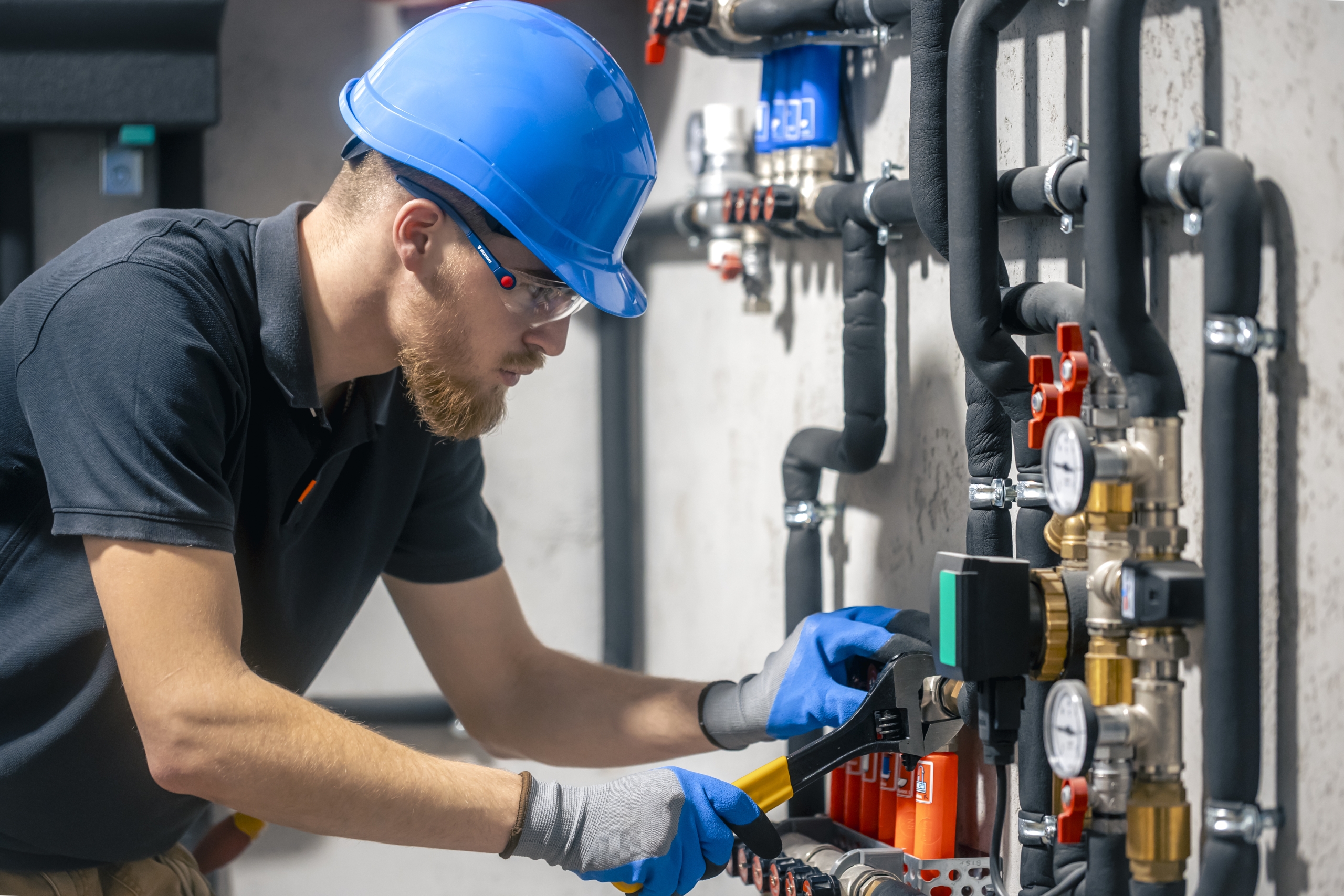




NYC Local Law 152: New Rules, 2026 Deadlines & How to Stay Compliant
Local Law 152 – NYC’s gas piping inspection law – just got some important upgrades. If you own or manage a building in New York City, recent amendments from the Department of Buildings (DOB) will change how you handle your gas compliance in 2026 and beyond.
What First-Time NYC Homebuyers Miss When Buying an Oil-Heated Property
Buying your first home in New York City is exciting—but if that home is heated with oil, there are a few extra details worth slowing down for. Many first-time buyers are coming from apartments or gas-heated homes, so oil heat can feel unfamiliar during an already overwhelming process.