1. How Brooklyn’s Layout Affects Heating Oil Delivery
Unlike suburban delivery routes, Brooklyn delivery is defined by:
Tight streets + route timing
Delivery trucks must navigate:
This means providers plan Brooklyn routes by neighborhood clusters, not by “first come, first served.” Homes in Park Slope, Carroll Gardens, and Prospect Heights might be grouped into the same route, while Williamsburg or Bay Ridge follow a completely different cluster.
Building access challenges
Common Brooklyn scenarios include:
-
Fill pipes located in fenced-in backyards
-
Shared entryways or basements
-
Multi-family brownstones with narrow staircases
-
Tanks buried behind storage areas
A strong provider notes access details in your account to ensure seamless future deliveries, especially when a different driver handles your route.
Seasonal weather disruptions
Snow, ice, and freeze-thaw cycles affect fill pipes and access to basements. Good providers will:
-
Remind homeowners to clear snow from outdoor fill areas
-
Note exposed fill pipes that could freeze
-
Identify tank conditions that may slow or disrupt filling
A smooth Brooklyn heating oil delivery is often the result of pre-planning.
2. Understanding Delivery Options: Automatic, Will-Call, and Monitoring
Your delivery method is one of the biggest drivers of convenience and reliability.
Automatic Delivery
Most Brooklyn homeowners choose automatic delivery because it eliminates the risk of a run-out, which can be particularly disruptive in buildings where:
-
Fill pipes are in locked or shared areas
-
Basements are difficult to access
-
Disconnected boilers may require a reset or priming
Automatic delivery uses weather-based forecasting (degree-day calculations) to estimate consumption. Your provider delivers fuel before your tank drops too low — typically between ¼ and ⅓ full.
Automatic delivery becomes even more accurate when linked to:
Will-Call Delivery
Will-call is flexible but demands discipline. Brooklyn residents using will-call should:
-
Check the gauge weekly during winter
-
Order fuel at ¼ tank or earlier
-
Understand that severe cold increases lead times
Because will-call orders spike during storms, relying solely on manual ordering can make timing unpredictable.
Smart Tank Monitoring
This is one of the most useful tools in older Brooklyn homes. If your provider offers residential heating oil tank services, you can add a wireless monitor that:
-
Sends tank levels to a mobile app
-
Alerts your provider automatically
-
Helps diagnose unusual fuel usage (e.g., faulty burner, tank issues)
For homes with unpredictable usage (remote workers, fluctuating occupancy, accessory units), monitoring prevents almost all run-outs.
3. Fuel Types Delivered in Brooklyn: No. 2 Heating Oil & Bioheat Blends
Ultra-Low Sulfur No. 2 Heating Oil
This is the standard heating fuel delivered to Brooklyn homes. Benefits include:
-
Lower emissions
-
Cleaner burn
-
Reduced soot in boilers
-
Longer equipment life
Bioheat Fuel
Many providers now use biodiesel blends (e.g., B5, B10, B20).
Why Brooklyn residents choose Bioheat:
If you want deeper context on Bioheat and home fuel types, see residential home heating oil.
4. Delivery Timing: How Long Does It Actually Take?
Delivery timing depends on weather, route density, and order type.
Typical timeframes
-
Automatic delivery: Predictable, with shorter lead times
-
Will-call (mild weather): 1–3 days
-
Will-call (peak winter): 3–5+ days
-
Storm conditions: Longer due to safety and route restrictions
How providers prioritize deliveries
Most providers use a hierarchy:
-
Automatic delivery customers
-
Will-call orders placed before usage spikes
-
Emergency fills (availability varies and should not be relied on)
Providers with high Brooklyn density can respond faster because they already have trucks on nearby routes.
5. Pricing in Brooklyn: What Homeowners Should Know
Heating oil prices in Brooklyn fluctuate based on:
Heating oil prices often rise or fall based on broader energy-market trends, including changes in wholesale fuel costs that suppliers pay
Common pricing options
-
Market rate: Changes daily
-
Budget plans: Spread payments over 10–12 months
-
Price protection: Caps or locks the rate for the season
-
Autopay discounts: For customers using online billing or the account portal.
Avoid companies advertising unusually low introductory prices — they often offset with hidden fees or higher per-gallon rates later.
6. How to Avoid Run-Outs in Brooklyn
Run-outs are a bigger problem in Brooklyn because they usually require extra access coordination and may cause system shutdowns.
Top prevention methods:
-
Choose automatic delivery (most reliable)
-
Install a tank monitor for accuracy
-
Keep access to your fill pipe clear
-
Monitor tank condition (rust, sweating, odors)
-
Consider heating oil tank protection
If your tank is aging or in questionable condition, scheduling a system review through residential heating systems services is smart before peak winter hits.
7. Why Brooklyn Delivery Works Best with a Full-Service Partner
A full-service provider does more than drop fuel — they support the entire heating system. Brooklyn’s aging homes benefit most from companies that offer:
This holistic approach keeps homeowners protected through the full heating season.
Final Thoughts: Making Heating Oil Delivery Easier in Brooklyn
Once you understand how heating oil delivery works in Brooklyn — the routing, timing, fuel types, pricing, and the role of automatic delivery — you can make choices that improve reliability and reduce stress.
If you’re ready to explore delivery options, start with:
A more informed approach today leads to a safer, warmer, more efficient winter.

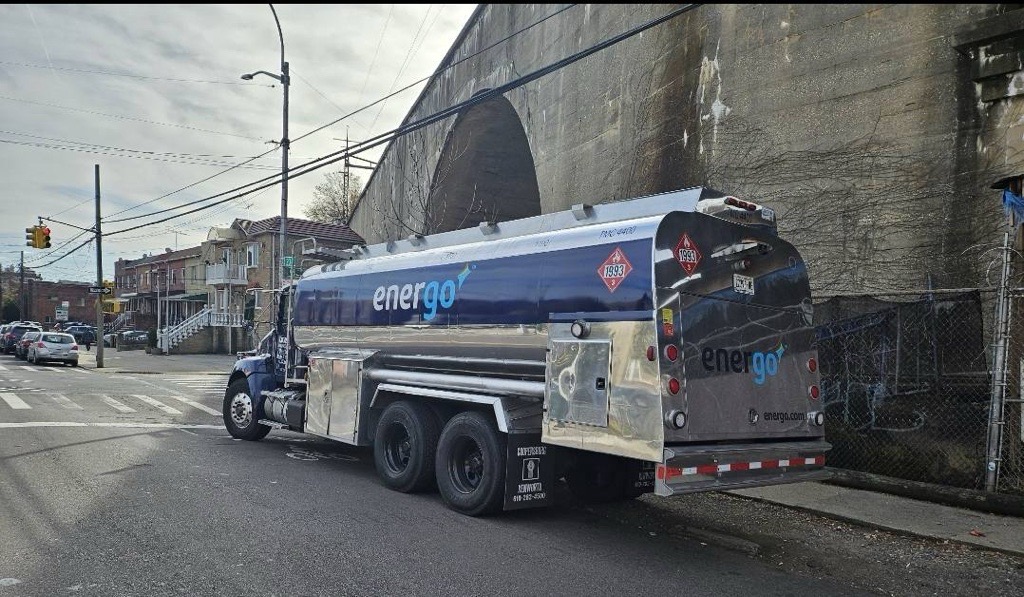




How Heating Oil Delivery Works in Brooklyn: A Homeowner’s Guide
Home heating oil in Brooklyn delivery logistics operate differently than it does elsewhere in New York. With narrow streets, historic brownstones, unpredictable winter weather, and older heating equipment, Brooklyn homeowners need more than simply “ordering a refill.”
Bronx Heating Oil: What to Expect This Winter (Delivery, Demand & Fuel Trends)
Heating oil in the Bronx continues to play a major role across supporting everything from one- to four-family homes to large multifamily buildings and mixed-use properties.