The Connection Between Crude Oil and Heating Oil
Heating oil is distilled from crude oil, so it’s no surprise that crude oil prices are a major driver of heating oil prices. When global crude prices go up, the cost to produce heating oil rises; when crude drops, heating oil eventually gets cheaper.
What makes crude oil volatile? A lot of things:
- Global supply and demand: If OPEC decides to cut production, supply tightens and prices jump. Conversely, an economic slowdown can reduce demand and prices fall. For example, during the early pandemic, crude oil prices plummeted due to low demand, leading to very low heating oil prices in the summer of 2020. But by late 2021 and 2022, demand roared back while supply lagged, pushing crude and heating oil way up.
- Geopolitical events: Wars, conflicts, sanctions, and diplomatic tussles can all jolt oil markets. The war in Ukraine in 2022, for instance, removed some Russian oil from markets and created panic about shortages – crude spiked, and so did heating oil.
- Natural disasters: Hurricanes in the Gulf of Mexico can knock out oil rigs or refineries, crimping supply. A major example was Hurricane Katrina (2005) which disrupted refineries and caused heating oil to surge that fall.
Heating oil prices generally follow crude oil prices, but not always perfectly. There can be a time lag or regional differences. However, roughly speaking, if you see headlines that crude oil hit multi-year highs, you can bet your heating oil price will reflect that soon.
Seasonal Demand and Weather Spikes
Heating oil demand is highly seasonal – mostly used in fall and winter. Even if crude prices are stable, heating oil tends to climb in winter simply due to demand pressure. A cold winter can drive up consumption significantly.
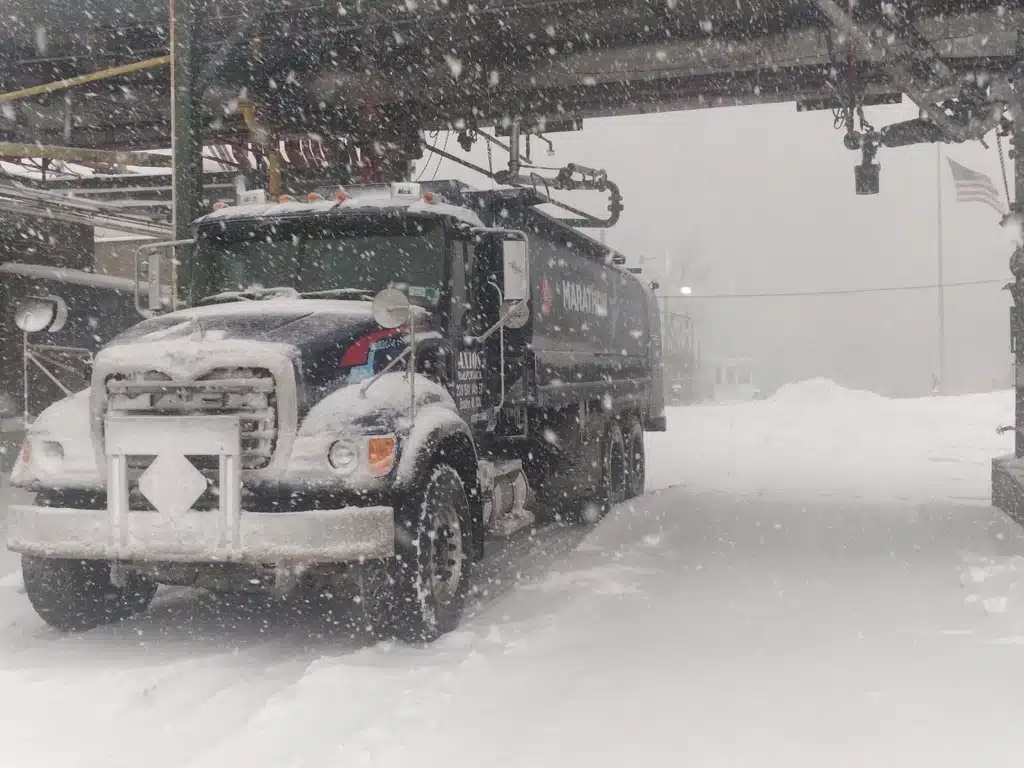
If a sudden cold snap or blizzard strikes, short-term demand can skyrocket as everyone’s burning through oil faster and calling for refills at the same time. This can cause a temporary price spike. Suppliers may raise prices or add emergency delivery fees during intense cold periods when they’re delivering. It’s supply and demand – when everyone wants fuel at once, the price finds a way up to ration that limited delivery capacity.
For instance, in January 2014, the Northeast had a polar vortex cold wave. Heating oil demand spiked so hard that wholesale prices jumped, and many retailers had to raise their rates to keep up. Some even ran out of fuel temporarily. The EIA notes that winter storms can interrupt delivery systems and draw down inventories faster than they can be replenished, causing sharp price increases.
So, the colder and more sudden the winter weather, the more likely you’ll see volatility in your heating oil cost. A “normal” winter might have steady pricing, but an especially frigid month could see a noticeable uptick on your next order’s price per gallon.
Regional and Local Factors
Heating oil isn’t traded only on a global scale; local market competition and logistics also matter. If you live in an area with many suppliers competing, prices might stay a bit lower due to competition. In a rural area with just one or two suppliers, they have more power to set price, and their operating costs (longer delivery routes, etc.) may be higher, which you feel in price.
In NYC and the broader Northeast, we have a relatively large number of suppliers and a major hub for heating oil (New York Harbor is a key trading hub for ultra-low-sulfur heating oil). That means prices here closely follow the New York Harbor spot market for heating oil. If that spot price jumps (say due to a refinery outage or a sudden export of supply to Europe), local distributors pay more for fuel and pass it on.
Additionally, oil provider costs in NYC – driver wages, truck costs, insurance, etc. – are high. These costs can vary year to year (labor, insurance, etc.), adding a few cents volatility on the retail end beyond just oil’s commodity cost. In other words, not every price swing is pure market – some of it is companies adjusting for changes in delivery costs, taxes, or new regulations.
Another regional factor: inventory levels. The Northeast typically stores extra heating oil in storage tanks and in the Northeast Home Heating Oil Reserve. If inventories are high going into winter, prices tend to be more stable (a cushion is there). If inventories are unusually low (like if a lot was exported or a refinery under-produced), any cold snap can cause a price spike as buyers worry about shortages. We saw this in late 2022 – East Coast distillate inventories were very low, contributing to record prices.
Shocks and Surprises: Case Study of a Price Spike
To illustrate, let’s recall the winter of 2021-2022:
- Crude oil had been rising through 2021 as economies reopened from COVID. By January 2022, crude was around $85 a barrel, versus $50 one year prior – a huge jump.
- In February 2022, Russia invaded Ukraine. Crude oil sprinted above $100. By early March, it touched around $120 per barrel.
- Heating oil, which was about $3/gallon for residential in early winter, shot up dramatically. By the end of April 2022, heating oil prices in the Northeast hit record highs – some suppliers charged as much as $6 per gallon to homeowners. This was unprecedented; many families suddenly faced bills double what they budgeted.
- What happened was a perfect storm: high crude, extra fear in distillate markets because Russia is a big diesel exporter, and lingering winter demand. It led to **record-high heating oil prices in March 2022** and into April.
This kind of spike shows how geopolitical events far away can translate to your heating bill in a matter of weeks. A homeowner in New York who paid $500 for a fill in January might have paid $900 for that same fill in March 2022. Market volatility hit home, literally.
The volatility goes both ways, though. Later in 2022, crude oil fell from those highs, and by spring 2023 heating oil was down off the peak (though still higher than pre-2021 levels). If you locked in during the spike, you paid a lot; if you somehow managed to wait it out, prices did ease somewhat. Timing can feel like luck.
How It Hits Your Budget and What You Can Do
For homeowners, volatile heating oil prices create uncertainty in winter expenses. Here are a few tips to manage:
- Budget Plans: Many fuel companies offer budget payment plans. They estimate your annual usage and cost, then let you pay a fixed amount each month year-round. This doesn’t reduce cost, but it spreads that $800 winter bill into maybe ~$200 per month over 12 months. It shields your cash flow from big spikes.
- Price Protection Programs: Suppliers may offer fixed-price or capped-price contracts before the heating season. For example, you lock in $3.50/gal for the winter, perhaps with a small fee for the insurance. If market goes above that, you pay $3.50; if it goes below, some programs let you pay the lower price (cap), others keep you at $3.50 (fixed). These can be worthwhile if you fear a spike – essentially transferring risk to the supplier. Just read the fine print: some require buying all your oil from them and a fee if you use less or leave.
- Off-season Fills: Heating oil is often cheapest in summer (low demand). If you have a large tank, consider filling up in late summer when prices tend to dip. For instance, if you topped off in July, you might catch a low point before winter speculation kicks in. Keep in mind this strategy can backfire if prices drop further in winter (not typical, but not impossible). Over many years, though, summer fill-ups have been a good bet more often than not.
- Energy Efficiency Upgrades: One sure way to buffer price volatility is to use less fuel overall. Investing in window films, insulation, smart thermostats, efficient burners, etc., means you buy fewer gallons. If each gallon is expensive, at least you need fewer of them. The upfront cost of efficiency improvements can often be recouped in a few volatile winters. And it’s a hedge: no matter what happens to prices, a tighter house will cost less to heat.
- Monitor Markets: Some homeowners keep an eye on crude prices or even local spot heating oil prices (if you’re into finance, NY Harbor ULSD futures give a sense of trend). While you can’t control markets, being informed can help your decisions – e.g., if prices are climbing fast and you’re half-full, you might top off now before it goes higher. Or if prices are on a steady decline mid-winter (a mild winter scenario), maybe you order smaller amounts and see if it drops more. It’s a bit of a gamble, but informed gamble versus blind. Just be cautious – trying to perfectly time commodity prices is tough even for experts.
- Alternate Heat Sources: Some folks use supplemental heat (like electric space heaters or wood stoves) during price spikes to cut oil use. This can work, but be mindful of safety and other costs (your electric bill will rise, and electricity isn’t immune to price issues either, though it’s more regulated). But in extreme cases (like that $6 oil scenario), using a space heater in a room or two and turning down the thermostat can save some serious money short-term. Always use such devices safely.
The Big Picture: Volatility is Here to Stay
Energy markets have always been cyclical, but it feels like volatility has increased in recent years due to global interconnection and climate events. Home heating oil will likely continue to experience swings. Remember:
- Winter = generally higher demand and price.
- Global events = can’t predict (hedge if you want certainty).
- Long-term trend: Heating oil had a big peak in 2008, crashed in 2009, another peak 2014, trough 2016, peak 2022… cycles happen.
Interestingly, as we incorporate Bioheat (biodiesel) into heating oil, that ties heating oil somewhat to agricultural markets (soybean oil etc.). Those have their own volatility (affected by crop yields, etc.). It’s hard to say if that will smooth things or add more complexity – likely a bit of both.
Lastly, climate change can affect volatility: more extreme weather can mean more sudden demand spikes or disruptions. Also, policy shifts (like carbon taxes or mandates) could add costs to fossil heating oil in the future, possibly raising baseline prices. On the flip side, as the world (and NYC) moves toward renewable heating, demand for heating oil could decline, potentially making prices more volatile due to smaller market size or conversely, less volatile if fewer players. Time will tell.
TL;DR: Your heating oil price is the sum of many factors: crude oil trends, seasonal demand, local competition, and unexpected events. Volatility in those factors directly shows up in your heating costs, sometimes dramatically. By planning ahead and using available tools (budget plans, price caps, efficiency), you can ride out the rollercoaster of energy markets a bit more smoothly.





Should You Keep Heating Oil in Your Tank Over Spring? What NYC Homeowners Should Know
If your home uses heating oil, spring is usually when the question comes up: once the cold weather eases, should you leave the tank as it is, top it off, or let it run low until fall?
For many homeowners in NYC, Westchester, and nearby areas, the answer is not always obvious.
NYMEX Settlement Pricing Explained: What Building Owners Are Actually Looking At
If you manage a commercial building and someone sends you a chart labeled NYMEX settlement pricing, it can feel like you are being asked to care about a trader’s screen. But that is not really what building owners are looking at.